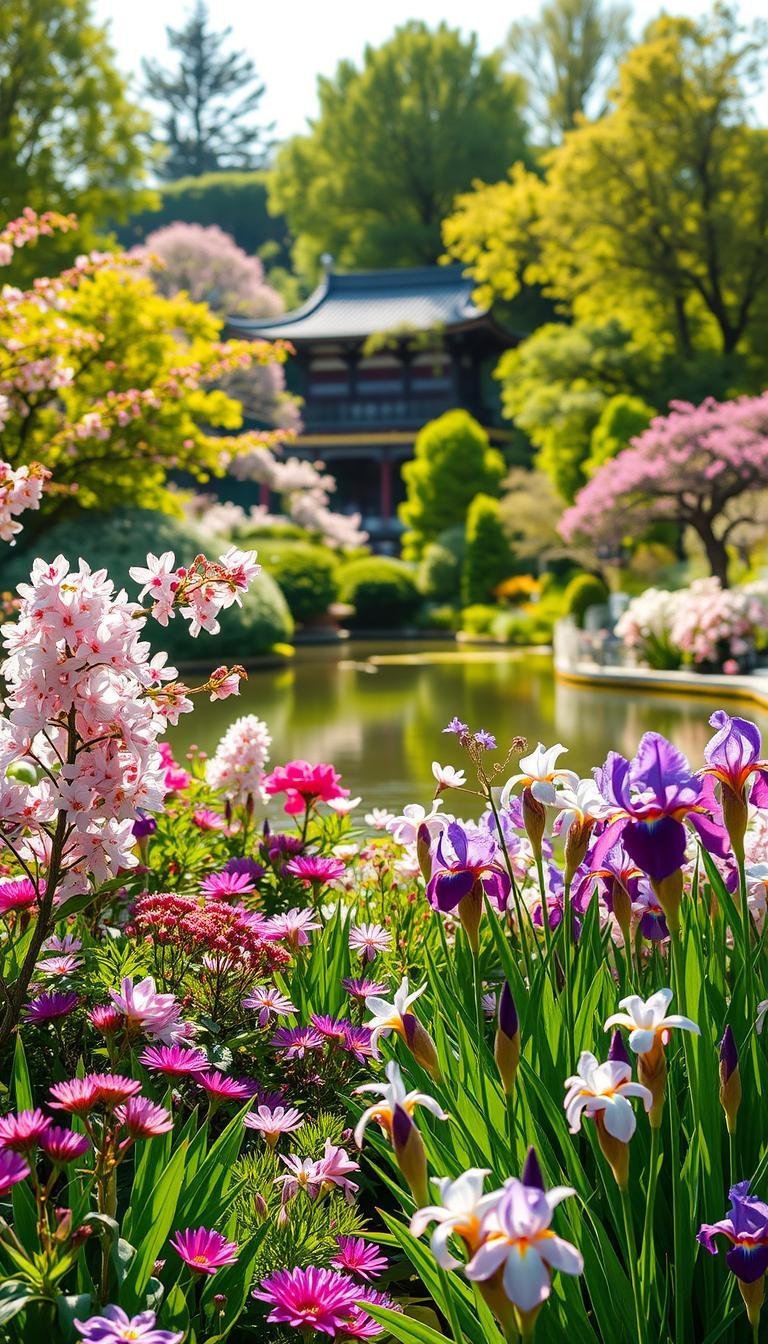
Imagine a small piece of a serene Japanese garden in your living room. A bonsai tree is more than beauty—it's a living art form. It brings calm into our busy lives. These miniature trees connect modern spaces to ancient traditions.
Indoor bonsai tree care is becoming popular in the U.S. People want peaceful home accents. These trees add elegance and mindfulness to any space. They turn any corner into a peaceful retreat.
Learn how a bonsai tree can make your space peaceful. From choosing the right species to caring for it, every step is a tribute to this timeless art.
What is a Bonsai Tree?
A bonsai tree is more than a small plant—it's a work of art. This ancient practice turns regular trees into tiny wonders through careful pruning and training. It's a blend of nature and human creativity.
Definition and History
Bonsai started in China over 1,000 years ago as penjing. By the 14th century, it became Japan's beloved art. Any tree can become a bonsai, from pine to maple. The focus is on size, balance, and looking old, making tiny landscapes.
Cultural Significance
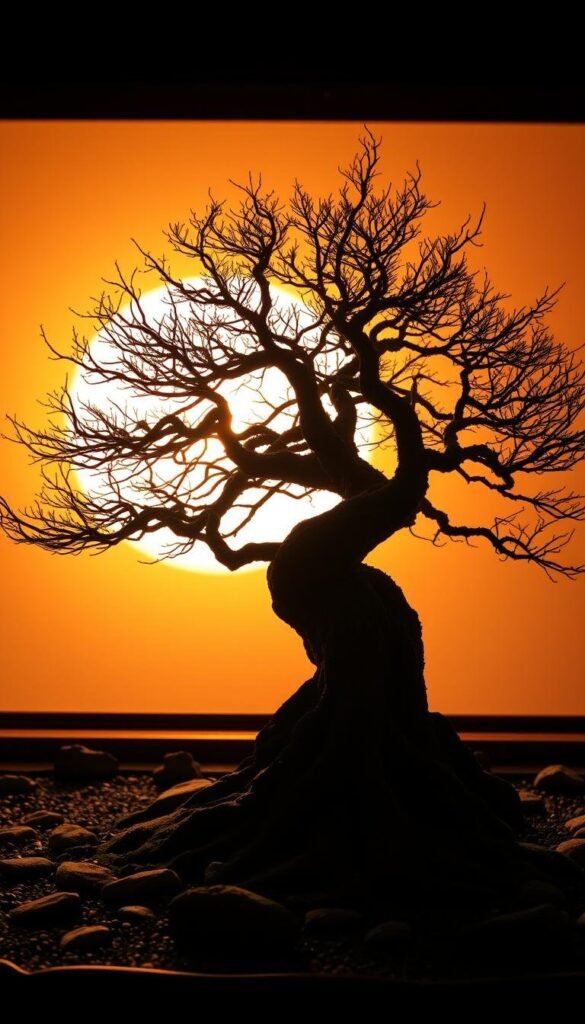
Bonsai reflects Japanese values like patience and harmony. It combines shakkei (borrowed scenery) and wabi-sabi, embracing beauty in imperfection. As one saying goes:
“A bonsai’s curves mirror life’s journey—slow, intentional, and ever-changing.”
Today, bonsai art is loved worldwide. Yet, its timeless wisdom remains: caring for life while respecting nature's wisdom.
Types of Bonsai Trees
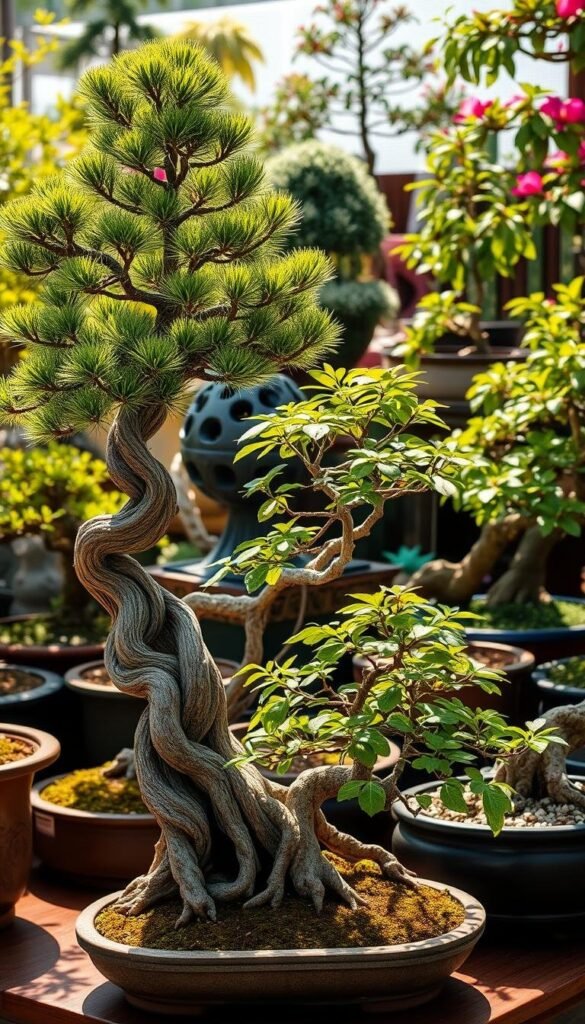
Exploring the different bonsai tree types opens a world of beauty. Whether you're new or experienced, the right tree can turn your space into a work of art. The best bonsai tree species meet various needs, combining beauty with function.
Popular Species for Beginners
Begin with these easy-to-grow options:
- Chinese Elm: It handles indoor light and changes well. Prune often to shape its dense leaves.
- Juniper: A classic pick with evergreen needles. It does well in sun or partial shade.
- Ficus: It fits indoor climates and grows fast. Perfect for trying out wiring.
- Jade Plant: It's good at avoiding too much water, with thick leaves and a unique shape.
Unique and Rare Varieties
For those up for a challenge:
- Japanese Black Pine: Needs outdoor space but offers dramatic, twisted trunks and hardy needles.
- Snow Foam Flower: Rare and delicate, it blooms white in humid, sheltered spots.
- Trident Maple: It shows off fiery autumn colors and detailed branches, best for temperate areas.
From easy starters to rare finds, each bonsai tree type has its own story. Pick one that fits your space and goals—each species offers a unique journey of growth and beauty.
Benefits of Owning a Bonsai Tree
Having a bonsai tree is more than a hobby. It's a journey that feeds both your mind and your space. These small wonders bring peace into our busy lives, combining nature's calm with our modern world.
Stress Relief and Mental Well-being
Looking after a bonsai tree is a mindful activity. Studies reveal that caring for plants can lower stress hormones. Pruning and adjusting soil can be like meditation. Dr. Jane Green, a mindfulness expert, says:
“The slow, deliberate work of bonsai care mirrors breathing exercises, anchoring focus in the present.”
With time, this calm helps us build strength against life's ups and downs.
Aesthetic Appeal in Home Decor
An indoor bonsai tree instantly changes a room's look. Their unique shapes add beauty to any spot. Sleek junipers fit modern homes, while fiddle-leaf figs bring warmth to cozy areas.
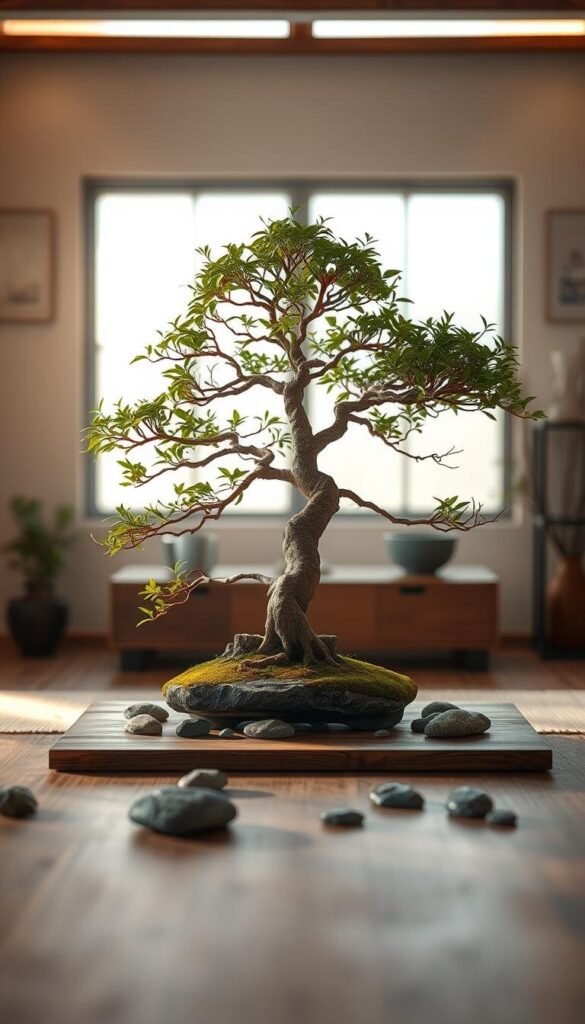
- Place a cascading bonsai near a window for dynamic contrast
- Group small bonsais on shelves for a curated gallery effect
- Use ceramic pots to tie in with Asian-inspired rooms
These living art pieces fit any decor, showing beauty can thrive in small spaces.
How to Choose the Right Bonsai Tree
Finding the perfect bonsai is all about knowing your space and schedule. Let's go through it step by step.
Consider Your Living Space
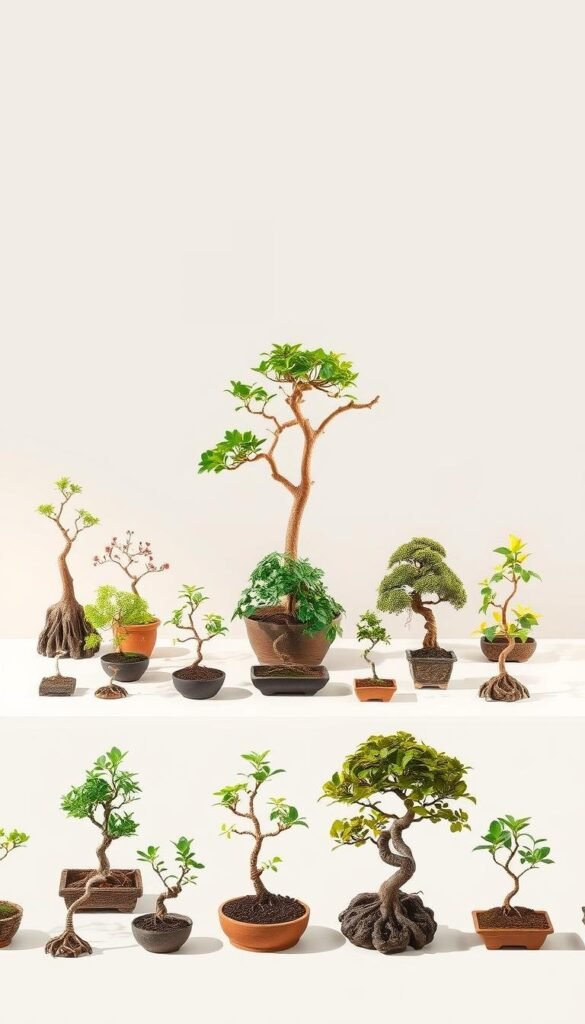
Light is key. South-facing windows are great for sun-loving bonsai like juniper. North-facing rooms are better for those that prefer shade, like fishtail palms. Make sure you have enough room—most beginner bonsai tree options grow 8-18 inches. Some need more space.
Also, think about humidity. Bathrooms are perfect for tropical bonsai, while desert types prefer dry air.
Assess Your Care Commitment
Ask yourself:
Can I prune weekly or am I better with low-maintenance options?
Here's a quick quiz:
- Do you travel often? Choose a jade plant—it can survive weeks without water.
- Have a green thumb? Try a Japanese maple for advanced styling.
- Looking for instant charm? Shop reputable sellers like Bonsai Emporium or Bonsai Boy for healthy bonsai tree for sale.
Always check leaves and roots when buying. Avoid wilted or root-bound trees.
Essential Bonsai Care Tips
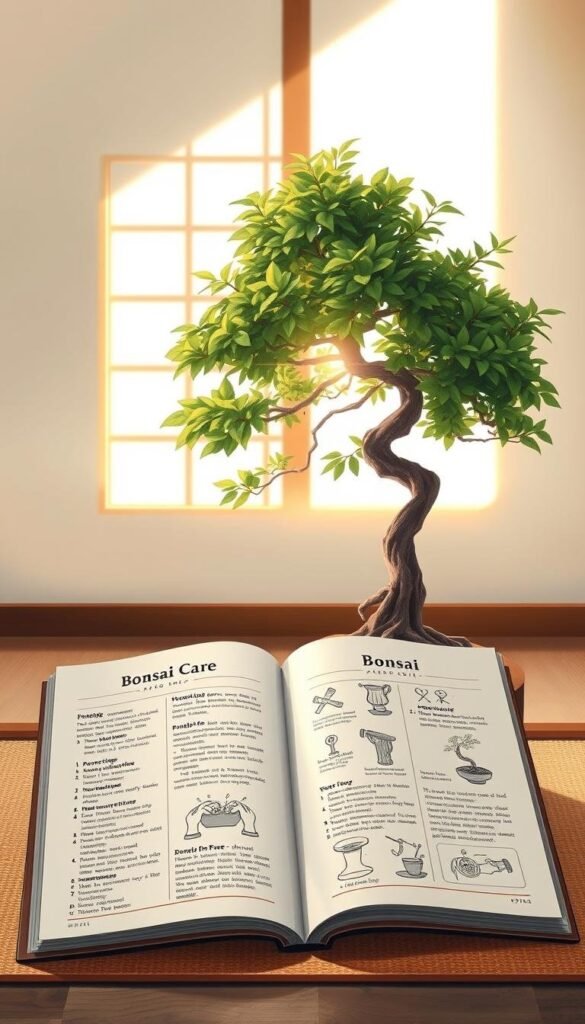
Healthy bonsai tree care starts with three key practices: watering, shaping, and soil management. These steps help your tree grow well with its environment.
Watering Techniques
Don't overwater your bonsai. Check the soil by poking it 1 inch deep. Water only when it's dry. Top watering is good for most trees, but immersion helps revive dry roots. Water less in winter and more in summer.
Pruning and Wiring Basics
Pruning shapes your bonsai's future. Maintenance pruning removes extra growth, and structural pruning changes the tree's shape. Use sharp shears to avoid tearing the bark. Wire branches gently with copper or aluminum to guide growth—check every few months to prevent damage. A small quote from experts:
“Pruning is a conversation with your tree, not a battle.”
Soil Selection
Choose a mix that balances drainage and nutrition. Akadama clay particles retain moisture, while pumice ensures airflow. Organic additives like compost enrich without waterlogging. Repot every 2-4 years to refresh soil and prevent root rot.
Patience and observation are key. Small adjustments in watering, pruning, and soil care build a thriving bonsai over time.
Common Mistakes to Avoid
New enthusiasts often face challenges in bonsai tree care. Knowing these common mistakes can help save your tree. It also boosts your confidence as you learn.
Overwatering and Underwatering
Too much or too little water can stress a beginner bonsai tree. Overwatering can drown the roots, causing yellow leaves and mushy stems. On the other hand, underwatering can make leaves crispy and fall off.
Check soil moisture by poking it 1 inch deep. If it's dry, water thoroughly. Make sure to let excess water drain to avoid root rot.
- Use pots with drainage holes
- Water only when soil is dry 1 inch below surface
Poor Lighting Conditions
Bonsai trees need balanced light to thrive. Too little light can make them grow spindly, while too much can scorch leaves. Indoor growers might see leggy branches, while outdoor trees can get burned in strong sun.
Adjust with:
- South-facing windows for sun-loving species
- Grow lights for low-light spaces
- Shade cloth during peak summer heat
Mistakes are common, but most can be fixed quickly. Listen to your tree's signals. It's never too late to change your care routine.
Displaying Your Bonsai Tree
Choosing where to place your bonsai tree is both an art and a care necessity. Whether it's an indoor bonsai tree or an outdoor bonsai tree, its spot affects its health and looks.
Indoor vs. Outdoor Placement
Not every bonsai does well everywhere. Tropical types like Ficus or Schefflera are great for indoors. They need steady warmth and moisture. On the other hand, species like Juniper or Maple need the outdoors.
When moving your bonsai between places, do it slowly. This helps prevent shock.
- Indoor bonsai tree: Bright, indirect light near east/west windows.
- Outdoor bonsai tree: Morning sun, afternoon shade in hot climates.
Ideal Display Locations
Traditional Japanese ideas like the tokonoma inspire modern displays. Place your tree where it gets light but avoids drafts. A shelf by a window or a patio corner is perfect.
Keep it away from heating vents and pets.
"A well-placed bonsai becomes a living sculpture, merging care and creativity." – American Bonsai Society
Decorate with simple items like river rocks or ceramic pots. But don't overcrowd. Your tree needs room to grow and breathe.
- Living rooms with large windows suit indoor bonsai tree collections.
- Outdoor bonsai tree: Raised garden beds protect roots from ground pests.
The Art of Bonsai Design
Every bonsai tree has a story, shaped by tradition and creativity. Design blends technique and vision, turning a plant into art. Whether you stick to classic styles or try new things, here's how to create your own piece of art.
Classic Styles to Inspire Your Vision
Traditional styles like chokkan (formal upright) or shakan (slanting) help guide your pruning. These foundational designs are a good starting point:
- Formal Upright (Chokkan): Straight trunk, balanced branches—great for pines or junipers.
- Cascade (Kengai): Draping form like cliffs; use juniper or spruce.
- Forest (Yose-ue):> Grouped trees for a woodland look; larch or maple work well.
Learn each style's pruning patterns to match your tree's growth.
Adding Your Personal Stamp
“Bonsai is a conversation between tradition and individuality.”
While learning classic techniques, let your creativity shine. Modern growers mix Japanese styles with bold shapes or unique containers. Try:
- Unusual pot colors to contrast with foliage.
- Hybrid styles—mixing cascade and slanting elements.
- Seasonal accents like floating moss or decorations.
Bonsai tree pruning is a lifelong journey. Mistakes teach you, and patience rewards your creativity. Begin with small changes—a single branch adjustment can change your tree's look.
Bonsai Growing for Beginners
Starting your bonsai journey? You have two main choices: grow from seed or buy a starter tree. Each path has its own benefits. Choose based on your patience and what you want to achieve.
Starting from Seed vs. Starter Trees
Seeds give you a hands-on experience but need lots of patience. For example, a maple seedling might take decades to show bonsai traits. If you want quicker results, consider buying a bonsai tree from nurseries or online.
Starter trees like juniper or ficus are already structured. This means you can start pruning and styling right away.
- Seeds: Full control but slow progress.
- Starter trees: Ready for styling now; perfect for beginner bonsai tree enthusiasts.
Tip: Look for “mallsai” plants at garden centers. These can be trained into bonsai with proper pruning.
Recommended Resources
Here are some trusted guides to help you:
- “Bonsai for Beginners” by Harry Tomlinson (covers basics).
- YouTube channels like Bonsai Miracles for visual how-tos.
- The American Bonsai Society offers workshops and regional clubs.
“Start small, grow big.” – Pro tip from bonsai experts.
Master the basics before diving into rare species. Happy roots start with simple steps!
Troubleshooting Common Bonsai Issues
Even the most careful bonsai tree care can run into problems. Catching issues early is key to keeping your tree healthy. Here's how to tackle pests and diseases easily.
Pest Control
Pests like spider mites or scale insects often hit indoor bonsai tree fans. Look for webbing, sticky stuff, or small bumps on stems. For small problems:
- Wipe leaves with a soft cloth soaked in rubbing alcohol
- Use neem oil sprays weekly
- Keep affected trees separate to stop the spread
Disease Management
Fungal infections like root rot or leaf spot love damp places. A bonsai tree care tip: “Check soil moisture before watering,” says bonsai artist Emily Tran. Here's what to do:
- Trim sick branches with clean shears
- Use sulfur-based fungicides for fungal issues
- Make sure water drains well to avoid too much water
“Prevention starts with regular checks. Even small yellow leaves are important,” says the American Bonsai Society.
Keep air moving around your tree and adjust when to water. Most issues get better with quick action. Healthy roots and soil are the base for strong growth.
Engaging with the Bonsai Community
Exploring the bonsai community can greatly enhance your skills and passion. Whether you're new or experienced, there are groups both online and locally. They offer support to help your bonsai tree flourish.
“The joy of bonsai deepens when shared with others. Communities turn curiosity into craftsmanship.”
Local Bonsai Clubs and Workshops
Look into joining clubs like the National Bonsai Foundation or local groups in cities like Chicago, Los Angeles, and New York. They host events such as pruning demos, styling clinics, and seasonal exhibitions. Many clubs also have conventions where members show off their bonsai trees and share techniques.
Check meetup.com for workshops near you.
- Workshops often teach wiring and repotting basics
- Annual conventions feature expert-led classes
- Regional clubs offer mentorship programs
Online Forums and Resources
Online platforms like r/bonsai and Bonsai Empire connect enthusiasts globally. Post photos of your bonsai tree to get feedback. When looking for a bonsai tree for sale, forums like Trésors Bonsai help connect buyers and sellers. Follow these tips:
- Include clear photos from multiple angles
- Ask specific questions to get actionable advice
- Share your successes and challenges
Whether online or in person, the bonsai community celebrates curiosity. Your first step could be attending a local event or joining a forum. Your bonsai journey grows richer with every connection.
The Future of Bonsai Trees
Bonsai culture is booming in the US, bringing new trends and eco-friendly practices. These changes mix old traditions with today's values. The future of bonsai looks bright, blending the old with the new.
Trends in Bonsai Care and Culture
Now, bonsai designs are more natural and wild, moving away from strict forms. Newbies in the US often pick native trees like eastern red cedar or American elm. This choice celebrates local plants.
Social media has made bonsai a shared interest, with many learning from online tutorials. Tools like moisture sensors and lightweight pots make caring for bonsai easier for beginners.
Sustainability in Bonsai Practices
Choosing trees that are sustainably sourced is important. Many avoid trees taken from the wild to protect nature. Soil mixes now use organic materials instead of peat, and organic fertilizers reduce chemical use.
Water-saving methods, like drip irrigation, help save water. Gardeners in the Pacific Northwest adapt to wetter climates, while those in the south choose trees that don't need much water. Online stores like Bonsai Boy and local nurseries offer advice on the right trees for your climate.