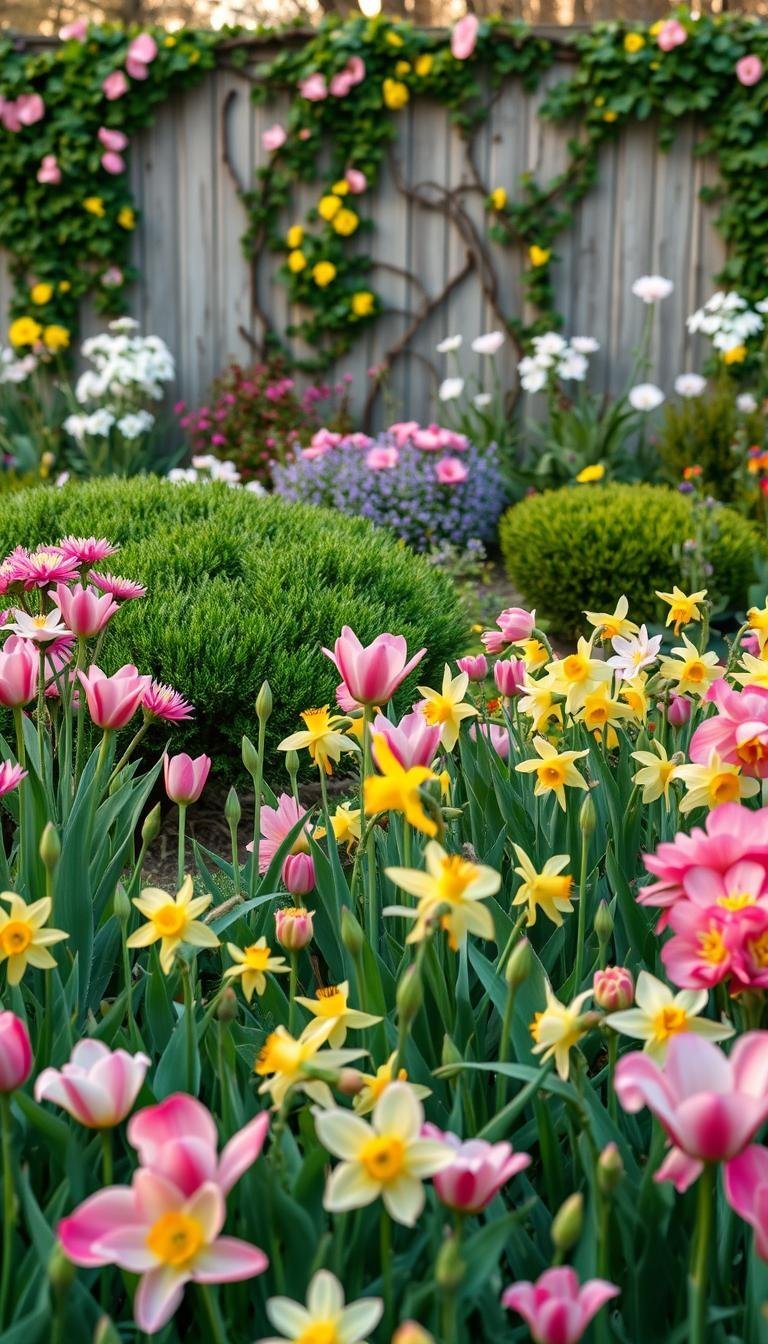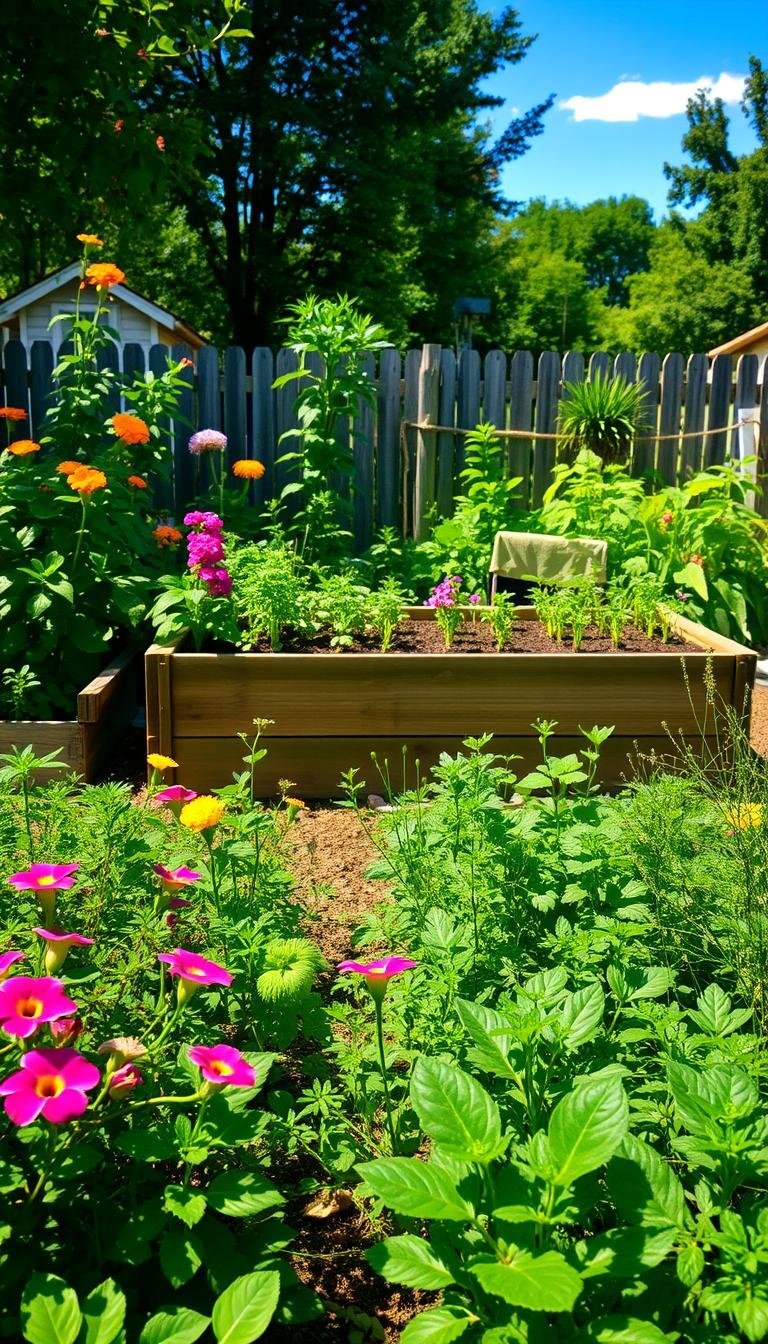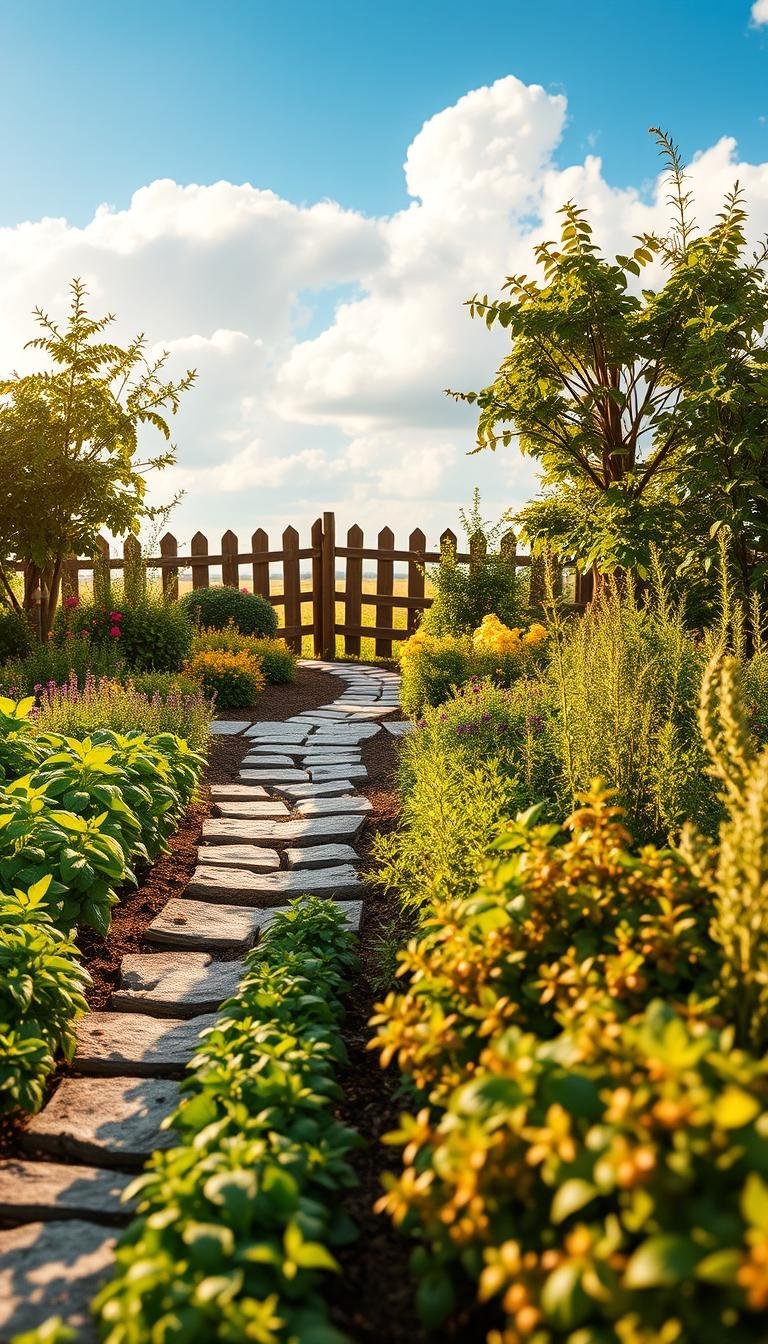
Every spring, fields and forests across the U.S. burst into color with Spring Wildflowers. These native wildflowers turn landscapes into living art. They offer a brief but bright celebration of nature’s diversity. This guide helps readers find these blooms, identify them, and understand their importance.
From daisies to bluebells, native wildflowers support ecosystems and add beauty. Learning about their habitats and roles helps us appreciate seasonal changes and conservation. Whether hiking or gardening, this article shows how to connect with these delicate wonders.
Introduction to Spring Wildflowers
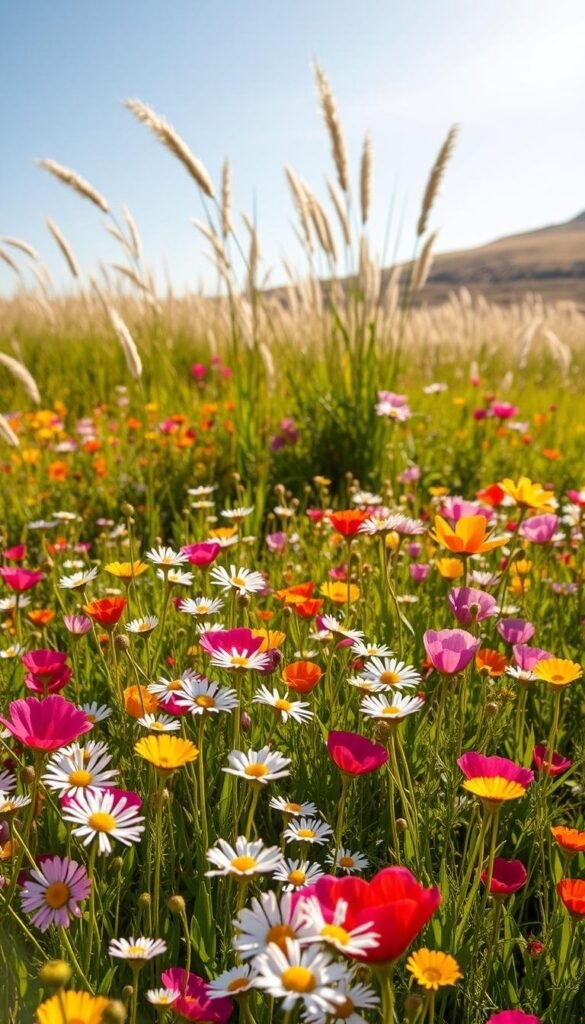
Spring Wildflowers are nature's first celebration of warmer weather. These plants bloom every year, painting landscapes in vibrant colors. Their brief display marks a vital ecological transition.
Wildflowers thrive in open spaces where sunlight reaches the ground before trees block it. This timing ensures they get enough light to grow and reproduce. Many species, like crocuses and trilliums, bloom early, signaling spring's arrival.
What Are Spring Wildflowers?
- Native plants that grow without cultivation
- Bloom mainly between March and May
- Include species like daffodils, violets, and hepatica
Their fleeting beauty signals the start of spring wildflower season. It attracts both wildlife and visitors to natural areas.
Importance of Spring Wildflowers
“These blooms are the ecosystem’s alarm clock,” says botanist Linda Carter. “They kickstart the food chain each year.”
Spring Wildflowers provide nectar for bees and butterflies waking from winter. Their presence also reflects healthy soil and clean air. Protecting these plants safeguards pollinators and scenic landscapes loved by outdoor enthusiasts nationwide.
Their role goes beyond aesthetics—they're ecological indicators. Thriving populations signal balanced ecosystems, while declines may warn of environmental shifts. Whether hiking or gardening, understanding these flowers deepens appreciation for nature's delicate rhythms.
Common Types of Spring Wildflowers
Spring brings a burst of color with native wildflowers across the U.S. Each type has unique traits and habitats. This makes them easy to spot during their peak bloom periods. Let’s explore three standout varieties.
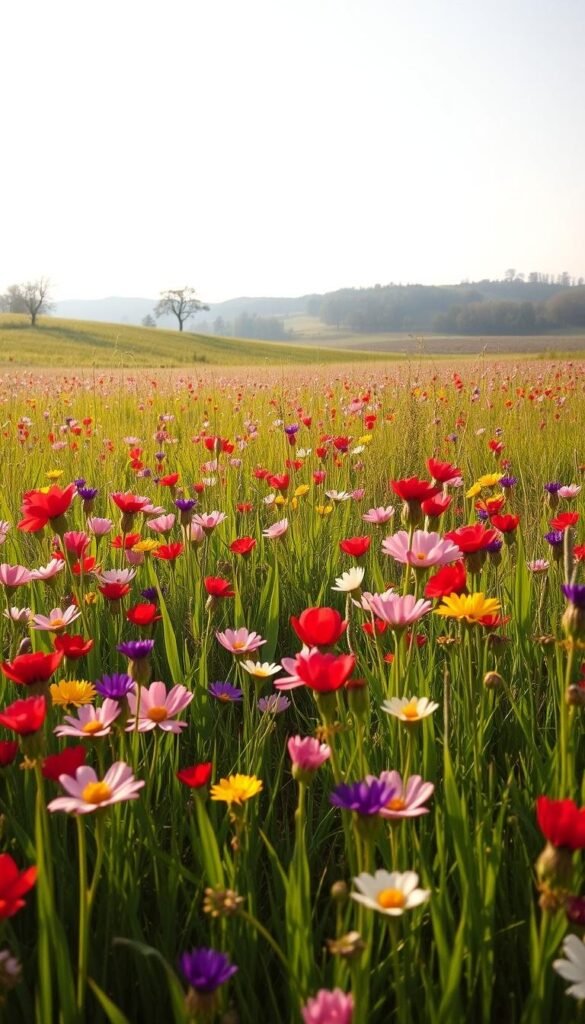
Daisies: The Cheerful Blooms
Daisies have white petals and sunny centers. They thrive in open fields and roadsides. These blooming wildflowers adapt to diverse soils, from the Great Plains to Northeast woodlands. Their resilience makes them a familiar sight nationwide.
Bluebells: Nature’s Blue Tapestry
Eastern forests glow with clusters of bluebell blooms. These bell-shaped flowers blanket forest floors in the Appalachian region. They create stunning purple-blue carpets. They prefer shady, moist environments, thriving in states like Georgia and North Carolina.
Lavender: Fragrant and Beautiful
Lavender’s wild relatives bloom in arid regions like California and the Southwest. Their purple spikes attract pollinators and release calming scents. Wild varieties differ from garden hybrids but share the same aromatic allure.
“Every wildflower is a testament to resilience and beauty.”
- Trillium: White or pink blooms in eastern woodlands
- Crocus: Early-blooming bulbs in mountain regions
- Buttercups: Bright yellow patches in meadows and prairies
Exploring these native wildflowers enriches outdoor adventures. Learning their habitats helps visitors locate them each spring. By understanding their traits, nature lovers can appreciate their roles in local ecosystems—and why protecting them matters.
Where to Find Spring Wildflowers
Planning a spring adventure? Discover the best wildflower hikes and botanical gems across the U.S. where Spring Wildflowers transform landscapes into living tapestries.
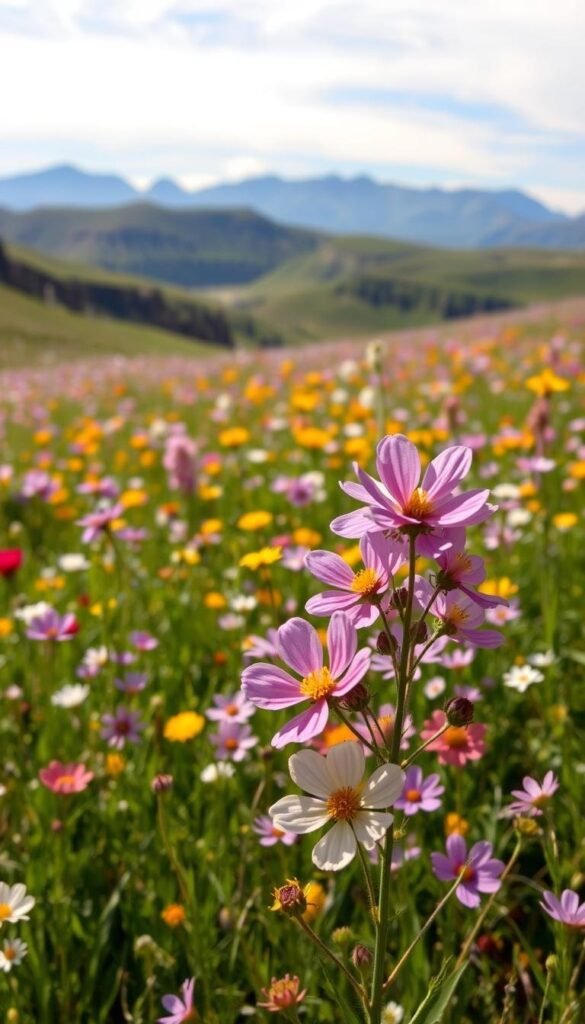
Popular National Parks for Wildflower Viewing
Trail enthusiasts can’t miss these top destinations:
- Great Smoky Mountains National Park: Tennessee’s “Wildflower Pilgrimage” showcases over 1,500 species, including trillium and mountain laurel. Trails like Cataloochee Valley Loop offer stunning displays.
- Death Valley National Park: Witness rare super blooms in California’s desert. The Wildrose Canyon Trail reveals a burst of colors during peak seasons.
- Olympic National Park: Hike the Hoh Rainforest Trail to see delicate fairy slippers and foamflowers under ancient trees.
Botanical Gardens to Explore
Urban explorers can enjoy curated collections like the U.S. Botanic Garden in D.C., featuring rotating exhibits of native blooms. Don’t miss the New York Botanical Garden’s annual Lilac Collection, where fragrant flowers bloom alongside guided walks. Many gardens host festivals, such as the Spring Blooms Celebration in California’s Filoli Estate, blending education with beauty.
“A wildflower hike isn’t just a walk—it’s a journey through nature’s art gallery.”
Whether trekking remote trails or strolling through manicured gardens, these spots offer unforgettable encounters with Spring Wildflowers. Pack a camera and a field guide to make your visit even more rewarding!
Best Times to See Spring Wildflowers
Timing is everything when it comes to seeing spring wildflowers. The timing changes based on where you are. Knowing when and where to look is key to not missing the peak bloom. Here's how to track the spring wildflower season near you.
Seasonal Variations Across the U.S.
- Southern States (Texas, Florida): Blooming wildflowers start as early as February.
- Midwest (Ohio, Missouri): Peak blooms arrive March to April.
- Pacific Northwest (Washington, Oregon): April to May, with higher elevations peaking later.
- Rocky Mountains & Northeast: Blooming wildflowers often peak in May and June.
Timing Your Visit for Optimal Viewing
Weather and elevation can change bloom dates. A warm spring can speed up growth, while cooler climates slow it down. Keep up with updates through:
- National park bloom hotlines
- State natural resource websites
- Wildlife conservation apps
“Check your local park’s website two weeks before your trip. Blooms can change rapidly!” — National Park Service Ranger
Plan your visit 1–2 weeks before or after the peak dates. This way, you'll catch the full cycle of blooming wildflowers. Adjust your plans based on real-time reports for the best experience.
How to Identify Spring Wildflowers
Learning to identify wildflowers is easy. Just pay attention to the small details that make each one unique. Here's a simple guide to get you started:
Tips for Flower Identification
- Look at petal patterns: Count petals or notice their shapes. For example, trillium has starry cups.
- Examine leaf structures: The way leaves grow can tell you a lot. Opposite or alternate leaves often point to a specific type.
- Think about habitat clues: Some plants, like bloodroot, love the shade. Others, like buttercups, need sunlight.
- Keep track of blooming periods: Some flowers, like Dutchman’s breeches, bloom early and disappear by summer.
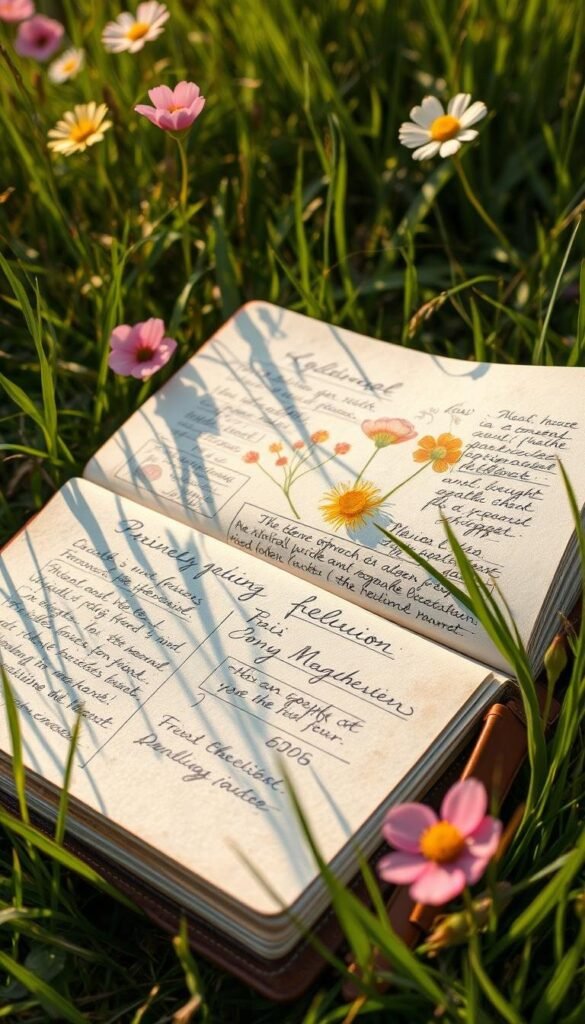
Using Field Guides and Apps
Use tools to help with wildflower identification:
- Field Guides: The Newcomb’s Wildflower Guide is great for beginners. It uses a simple key system.
- Mobile Apps: iNaturalist and PlantSnap can identify plants from photos. Just upload a picture and find out what it is instantly.
Focus on native wildflowers to help your local environment. Learning about these plants helps you care for them better.
The Role of Pollinators in Wildflower Growth
Spring Wildflowers and pollinators have a special partnership. Bees, butterflies, and other insects need wildflowers for nectar. At the same time, wildflowers need pollinators to make seeds. This partnership is key to many ecosystems in North America.
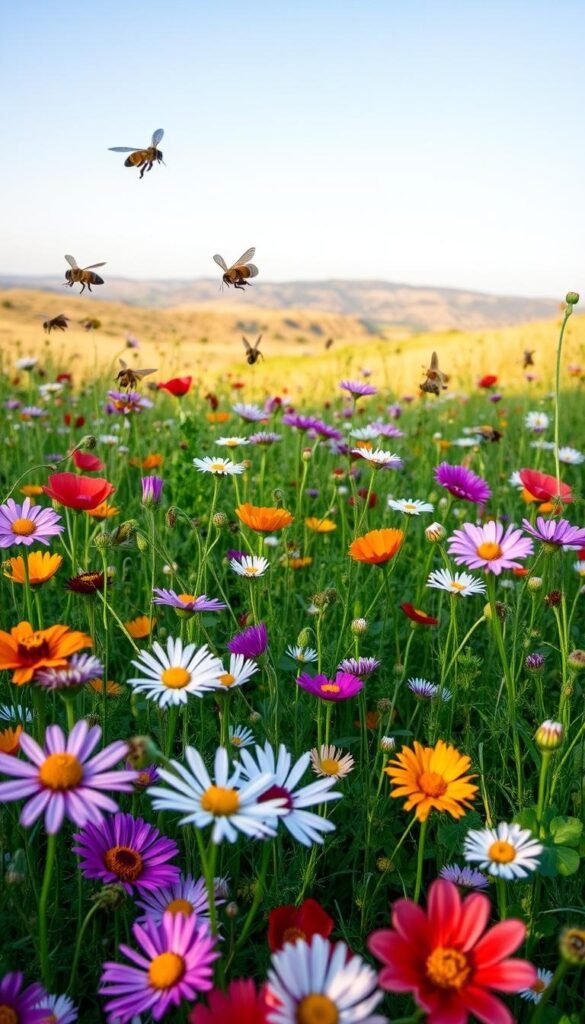
For thousands of years, Spring Wildflowers and pollinators have worked together. Some wildflowers have patterns that only certain insects can see. For example, sunflowers have designs that guide bees to pollen. This helps in successful pollination.
Bees, Butterflies, and Their Importance
- Specialized relationships: Some native bees can only collect pollen from certain wildflowers, like lupines and bumblebees.
- Early spring blooms are vital for pollinators coming out of winter. Without this nectar, they face a tough time.
- 80% of flowering plants need animal pollinators. This shows how important they are for our ecosystem.
How Wildflowers Support Ecosystems
Blooming wildflowers are the base of biodiversity. They:
- Feed pollinators, which then pollinate crops and other plants.
- Help keep soil stable and prevent erosion with their deep roots.
- Offer homes to insects that help control pests in gardens and farms.
Keeping these relationships safe is vital for our habitats. Next time you see a butterfly on a violet or a bee on clover, think about their role. Their actions keep nature's cycles going.
The Benefits of Wildflower Preservation
Protecting native wildflowers is more than just keeping things pretty. It's essential for our ecosystems. Spring Wildflowers help pollinators, keep soil stable, and offer homes for animals. Without us working to save them, plants like trillium and bleeding hearts might disappear.
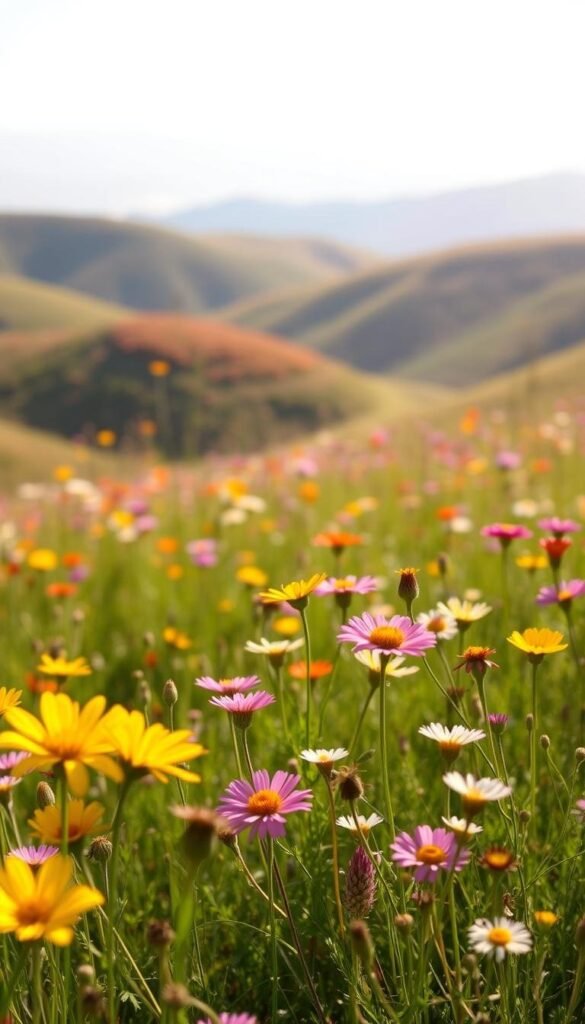
Big threats include cities growing, invasive plants like garlic mustard, and changes in weather that mess with when they bloom. Groups like the Wildflower Preservation Society are fighting to bring back these habitats. They have volunteers who watch over the plants and get rid of the bad ones, helping Spring Wildflowers to flourish.
“Every wildflower meadow supports 30+ pollinator species,” states the National Pollinator Defense Fund. Protecting these places also helps local businesses—people spend a lot of money to see Spring Wildflowers in places like California’s Antelope Valley.
How can you help?
- Plant native wildflower seeds in your garden
- Join seed collection programs
- Adopt trail etiquette: stay on paths and never pick blooms
Local nurseries sell mixes of native plants that need less water than grass.
Even small actions can make a big difference. By choosing native wildflowers for your garden, you're helping connect natural areas. Together, we can make sure future generations get to see the beautiful Spring Wildflowers.
The Aesthetic Appeal of Spring Wildflowers
Spring Wildflowers turn landscapes into living art, sparking creativity in photography and art. They offer endless inspiration, whether you're taking photos or sketching them.
Photography Tips for Capturing Wildflowers
Getting good at wildflower photography tips means having the right tools. Use a macro lens for close-ups or a wide-angle lens for meadows. The best time to shoot is during golden hour, when light is soft and colors are vibrant.
Look for leading lines, symmetry, or contrasting colors to draw the viewer's eye. Always keep a distance to avoid damaging the plants.
- Use a tripod for stability in low light
- Experiment with shallow depth of field to highlight textures
- Frame blooms with surrounding greenery for context
Creating Art Inspired by Nature
You can turn Spring Wildflowers into art without harming them. Press petals between wax paper to keep their shape. Then, use them in collages or stationery.
Try watercolor sketches outdoors or paint abstracts of color gradients. Nature journals combine photos, sketches, and field notes for personal creativity.
Always leave no trace—only collect fallen petals, never pick live blooms. Let your creativity flow while respecting these delicate ecosystems.
Spring Wildflowers in Culture and Tradition
Spring wildflowers have inspired stories and traditions for ages. They are part of Native American legends and modern festivals. These blooms help us connect with nature. Let’s look at their meanings and how we celebrate them.
Folklore and Myths Surrounding Wildflowers
Native American tribes saw wildflowers as spiritual symbols. The trillium stood for balance and new beginnings. Bloodroot, with its brief bloom, symbolized short-lived beauty. European settlers brought their own stories, like the jack-in-the-pulpit, which meant humility.
Festivals Celebrating Spring Blooms
- Texas Bluebonnet Festival: Celebrates state flowers with parades and seed-planting events.
- Great Smoky Mountains Wildflower Pilgrimage: Experts lead hikes during peak spring wildflower season.
- California Poppy Festival: Celebrates golden fields with art displays and family activities.
These festivals mix learning with fun, showing how Spring Wildflowers bring us together. Whether through stories or community events, their beauty encourages us to appreciate nature’s cycles.
DIY Wildflower Gardens
Bring spring’s beauty home with wildflower garden ideas tailored to your backyard. Choose a sunny, well-drained spot. Native wildflowers do best when they match your local soil and climate. This means they need less water and care over time.
Planning Your Wildflower Garden
Start by testing your soil pH to find the right match for your plants. Till the soil lightly—many wildflowers like slightly disturbed ground. For small spaces, containers or raised beds are great options. Plant seeds in fall or early spring for most U.S. regions.
- Choose open areas with 6+ hours of sunlight daily.
- Remove invasive weeds before planting to avoid competition.
- Mulch lightly with straw to retain moisture without smothering seeds.
Recommended Wildflower Seeds for Beginners
Start with hardy species like black-eyed Susan (Rudbeckia hirta) or purple coneflower (Echinacea purpurea). These native wildflowers attract pollinators and adapt to varying zones. For northern regions, try lupines; in the south, consider coreopsis.
“Native plants create ecosystems that sustain bees and butterflies, making gardens both beautiful and beneficial.” — National Wildlife Federation
Pair seeds with companion plants like clover to boost soil health. Water sparingly once established, as most wildflowers prefer dry conditions. With patience, your garden will bloom into a vibrant, low-maintenance space within months.
Health Benefits of Spending Time in Nature
Walking through a field of Spring Wildflowers does more than make you happy. It also makes you feel better. Studies show that being in nature lowers stress and improves your mood. Even a short walk in the best wildflower hikes can refresh your mind and body.
The Psychological Impact of Green Spaces
Green spaces are like nature's therapy. They help lower blood pressure and improve focus. The best wildflower hikes offer a break from daily stress. A 2020 study found people who walked through blooming landscapes reported 30% less anxiety compared to urban areas.
How Wildflowers Enhance Well-Being
Wildflowers have a natural "reset" effect. Their colors and scents make us feel good. Try these mindful practices:
- Slow walks: Notice each bloom’s shape and color.
- Photography: Capture patterns to boost creativity.
- Deep breathing: Inhale the fresh air near blossoming trails.
“Nature doesn’t need people to thrive, but people need nature to thrive.” — Richard Louv
Adding Spring Wildflowers to your routine can turn hikes into healing rituals. Plan a visit to a best wildflower hike and let nature’s beauty work its quiet magic.
Conclusion: Embrace the Beauty of Spring Wildflowers
Spring wildflowers turn landscapes into living art. They mix ecology, culture, and personal well-being. Whether you've walked through national parks or seen blooms in local gardens, these flowers invite us to connect with nature.
Call to Action: Explore, Appreciate, and Protect
Start by finding spring wildflowers in parks like Yosemite or Rocky Mountain National Park. These places show off vibrant displays every year. Use apps like iNaturalist or field guides for wildflower identification. This turns walks into learning adventures.
Even cities have hidden spots of color. Keep your eyes open for them!
Protecting these blooms means keeping ecosystems safe. Join local conservation groups or plant native species in your yard. Supporting eco-tourism helps preservation efforts. Share photos on social media with #SpringWildflowers to inspire and spread awareness.
Every step we take, whether casual or committed, strengthens our bond with nature. Let the beauty of spring wildflowers remind us to care for the environment. Your connection to these flowers can spark a lifelong love for nature. Start exploring today—their colors are waiting!