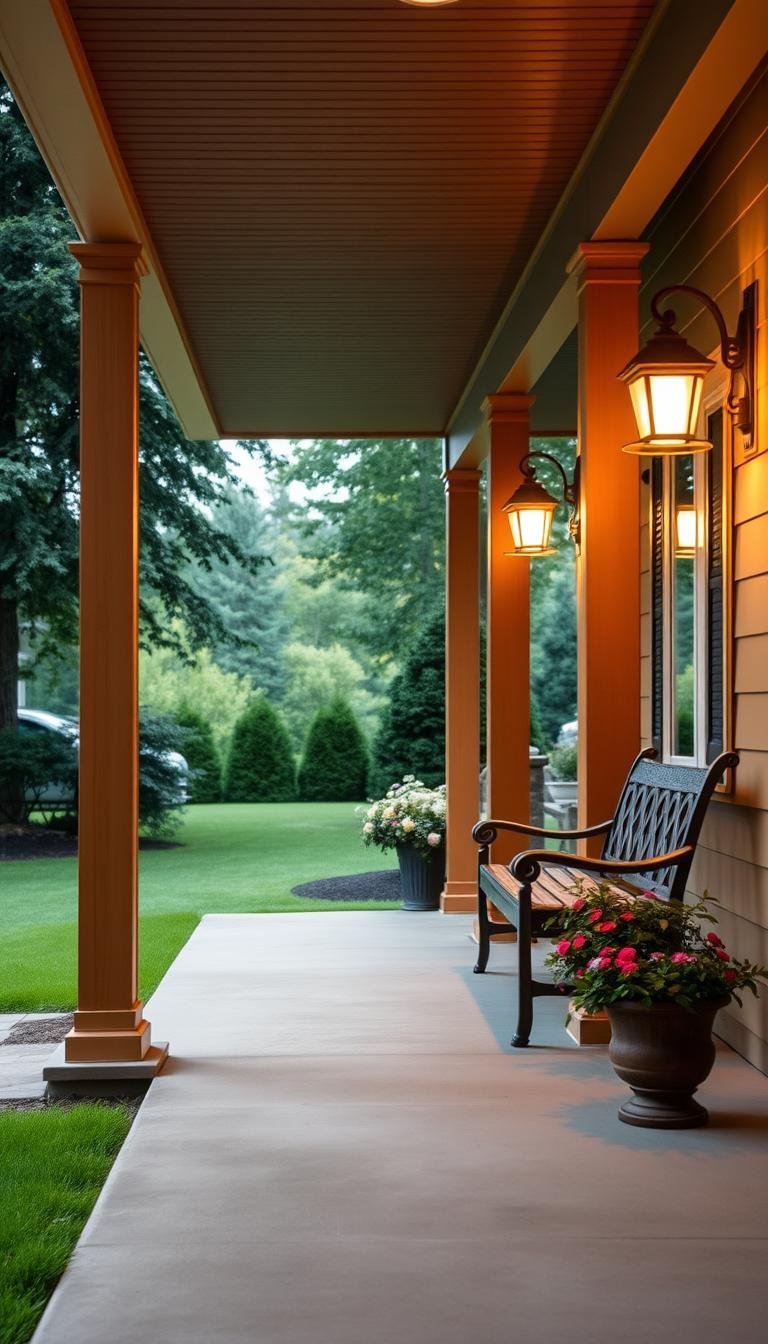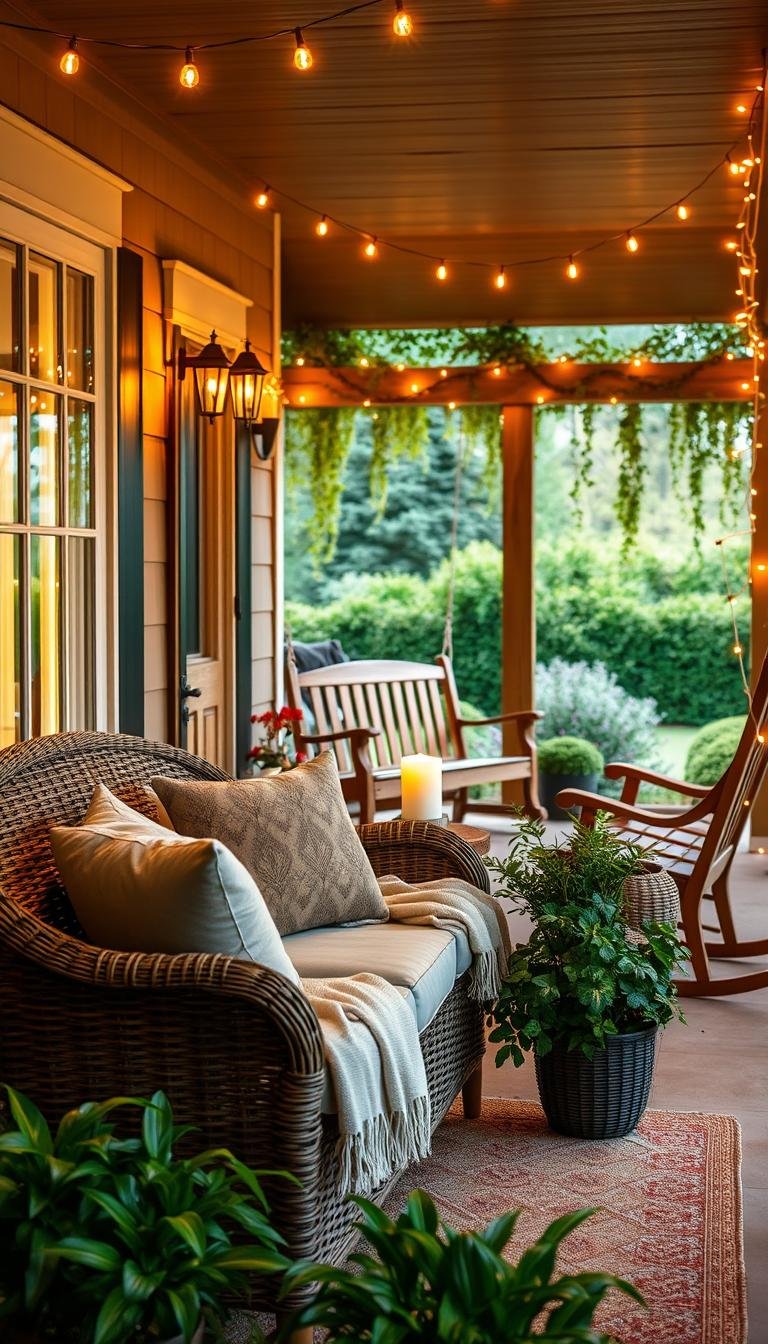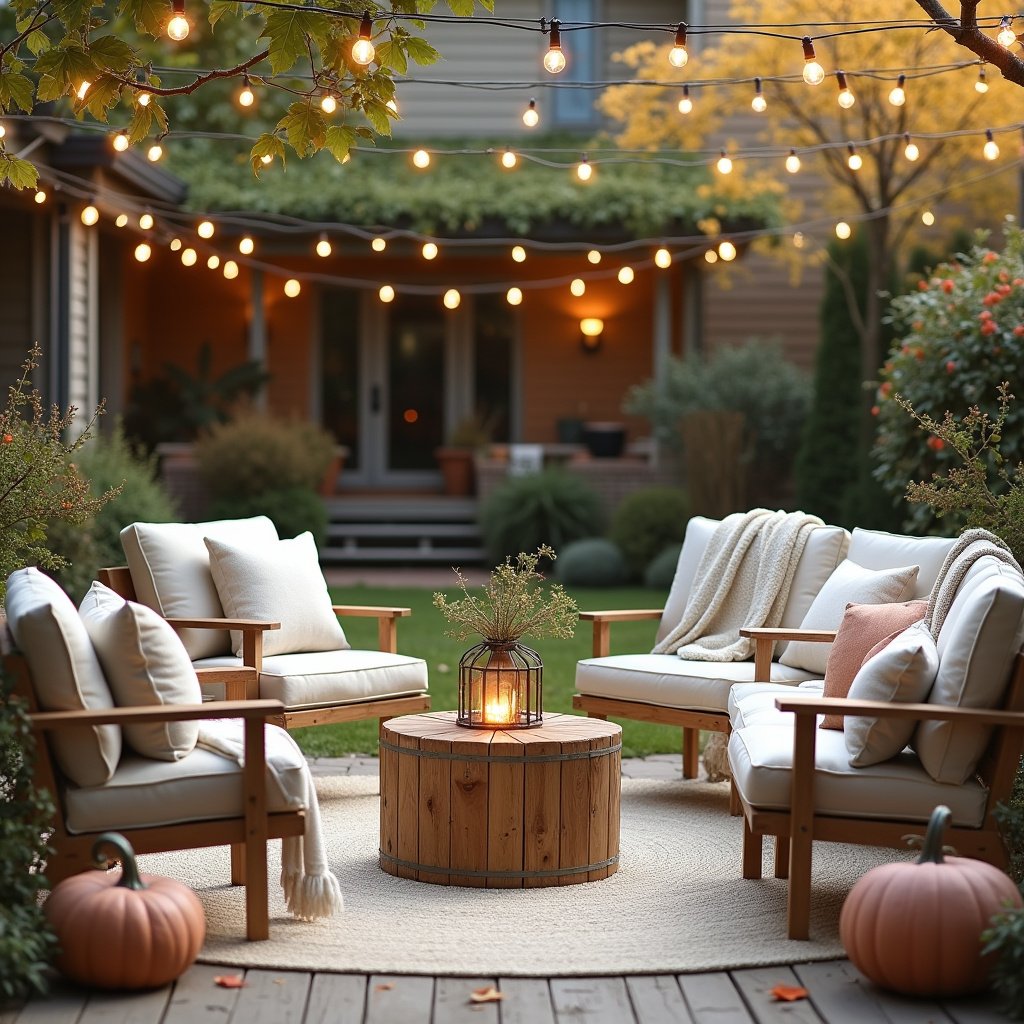
I'm excited to share my knowledge with you on how to transform your outdoor space into a beautiful oasis! Before starting your landscaping project, it's essential to understand the basics and plan correctly.
In this article, we'll explore the key considerations to keep in mind, from understanding your space to maintaining your landscape. Whether you're looking for inspiration or practical advice, I've got you covered! With a little planning and creativity, you can create a welcoming outdoor space that reflects your personal style.
Let's get started on this journey to create a stunning backyard that you'll love spending time in!
Understanding the Basics of Small Backyard Landscaping
Before starting your backyard project, it's key to understand the basics. A great small backyard design needs planning, budgeting, and the right materials. "A good plan is the foundation of a beautiful landscape," experts say.
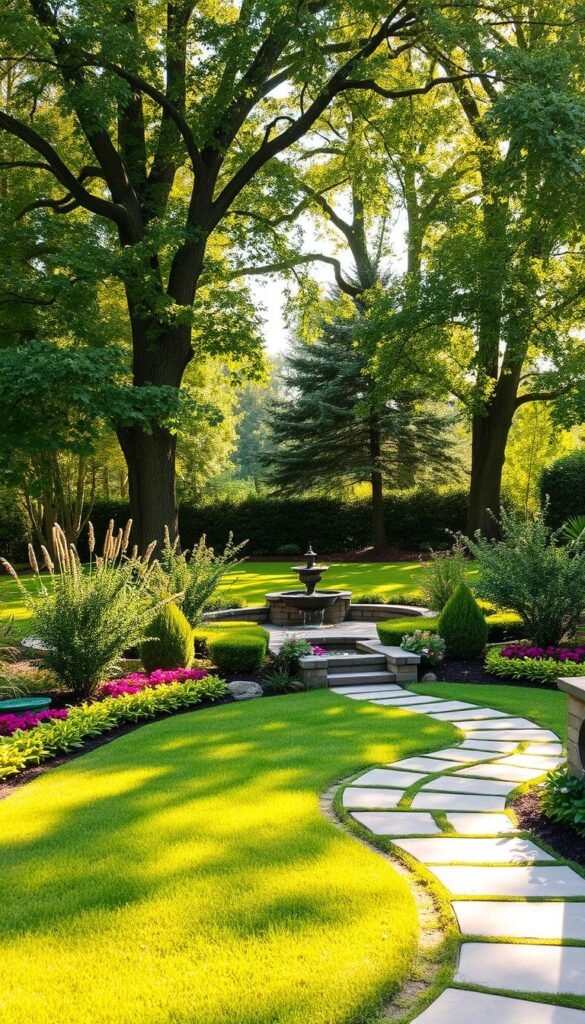
Importance of Planning
Planning is vital for a clear vision of your design. I start with a sketch or digital model. This ensures your design is both useful and beautiful.
Good planning means thinking about layout, plants, and materials. It helps avoid mistakes and keeps your project on track.
Budgeting Your Project
Budgeting is essential for your project. It keeps you from overspending. I set a budget based on what's most important, like hardscaping or plants.
- Determine your overall budget
- Prioritize your spending based on needs and wants
- Research costs of materials and labor
Choosing the Right Materials
The right materials are key to your design. They affect the look, durability, and upkeep of your landscape. For example, durable hardwoods for decking improve your space's look and last longer.
When picking materials, think about weather resistance, upkeep, and how they fit with your design. "The right materials can turn your outdoor space into something amazing," experts say.
Evaluating Your Space
To make the most of your small backyard, you need to understand its unique characteristics and limitations. Evaluating your space is a critical step. It will guide your landscaping decisions, ensuring your outdoor area is both beautiful and functional.
Measuring Your Backyard
The first step in evaluating your space is to measure your backyard accurately. Knowing the exact dimensions will help you plan your landscape design more effectively. I recommend creating a simple sketch of your yard, noting its length, width, and any irregularities.
Considering Sunlight and Shade
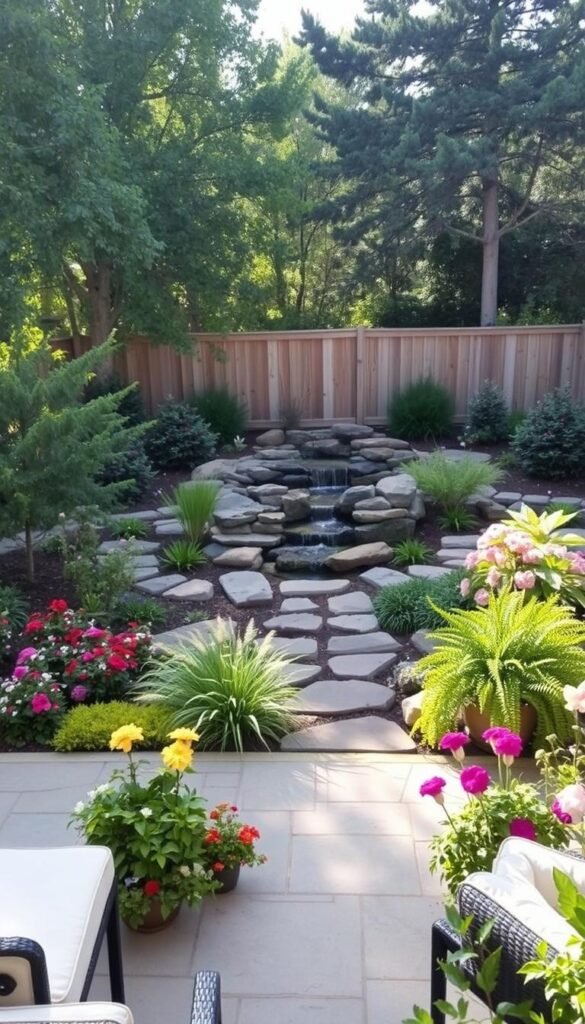
Understanding the sunlight patterns in your yard is key. It helps you choose the right plants and design your outdoor space. Observe your yard at different times of the day to see which areas get full sun, partial shade, or full shade.
Assessing Soil Quality and Drainage
Soil quality and drainage are vital for plant health and your landscaping project's success. Testing your soil to determine its type and nutrient content is a good practice. Also, observe how water drains in your yard during rainfall or after watering.
By carefully evaluating your space, considering size, sunlight, and soil conditions, you can create a well-designed landscape. This will enhance your home's beauty and functionality. Whether you're looking for front yard landscaping ideas or inspiration for your backyard, understanding your space is the key to a successful landscaping project.
Defining Your Purpose for the Backyard
It's key to know what you want from your backyard. This helps make it a space that suits your needs and improves your outdoor time. When planning modern backyard landscaping, figuring out how you'll use the space is vital.
I enjoy making backyards both useful and lovely. It begins with knowing the main use of the area. Your backyard can be tailored for entertaining, relaxing, or growing your own food.
Entertaining and Socializing
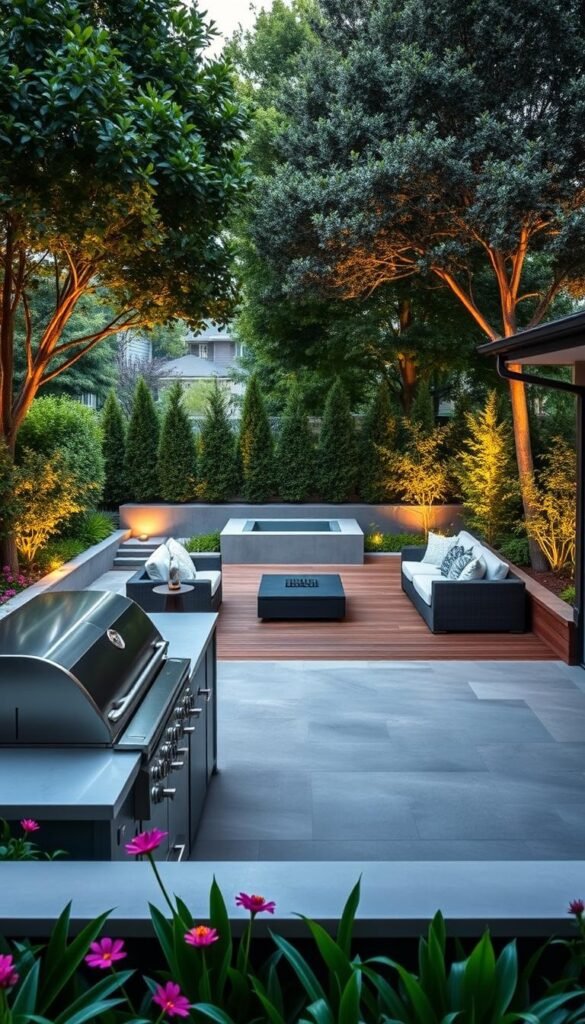
If you love hosting and spending time with loved ones, design your backyard for entertaining. Think about a patio or seating area for guests. Outdoor lighting, a fire pit, or a barbecue area can make it welcoming.
- Create a spot for outdoor dining
- Add comfy outdoor seating
- Consider an outdoor kitchen or barbecue
Creating a Relaxation Zone
For a peaceful retreat, design your backyard as a relaxation area. Include calming elements like a water feature, meditation garden, or cozy reading nook.
Some ideas to consider:
- Install a small pond or fountain
- Use plants with calming scents
- Set up a secluded seating area
Growing a Vegetable Garden
For gardening enthusiasts, a backyard is ideal for growing food. Set aside a section for a vegetable garden. Raised beds or containers can make upkeep simpler.
Growing your own food is rewarding. With some planning, you can enjoy a rich harvest. Here are some tips:
- Choose a sunny spot
- Pick easy-to-grow plants
- Use organic gardening for healthy soil
By defining your backyard's purpose and adding elements that suit your needs, you can create a beautiful and practical outdoor space. This enhances your modern backyard landscaping.
Designing Your Layout
A well-designed layout is key to a beautiful backyard. I'm here to help you with that! When it comes to backyard landscaping designs, the layout is where your vision starts to take shape.
To create an inviting outdoor space, let's explore some key elements. First, we need to create visual interest. This is where focal points come into play.
Creating Focal Points
Focal points are features in your yard that draw the eye and create visual interest. This could be a statement piece of art, a water feature, or even a beautifully designed patio.
- Use a statement piece, like a sculpture or a large planter, to draw the eye.
- Incorporate a water feature, such as a small pond or fountain, for a soothing effect.
- Design a patio or seating area that becomes the centerpiece of your yard.
Utilizing Vertical Space
Don't forget about the vertical dimension when designing your backyard! Utilizing vertical space can add depth and visual interest to your landscape.
Consider using trellises, arbors, or wall-mounted planters to make the most of your vertical space. This not only adds greenery but also creates a sense of layering in your design.
Incorporating Pathways and Structures
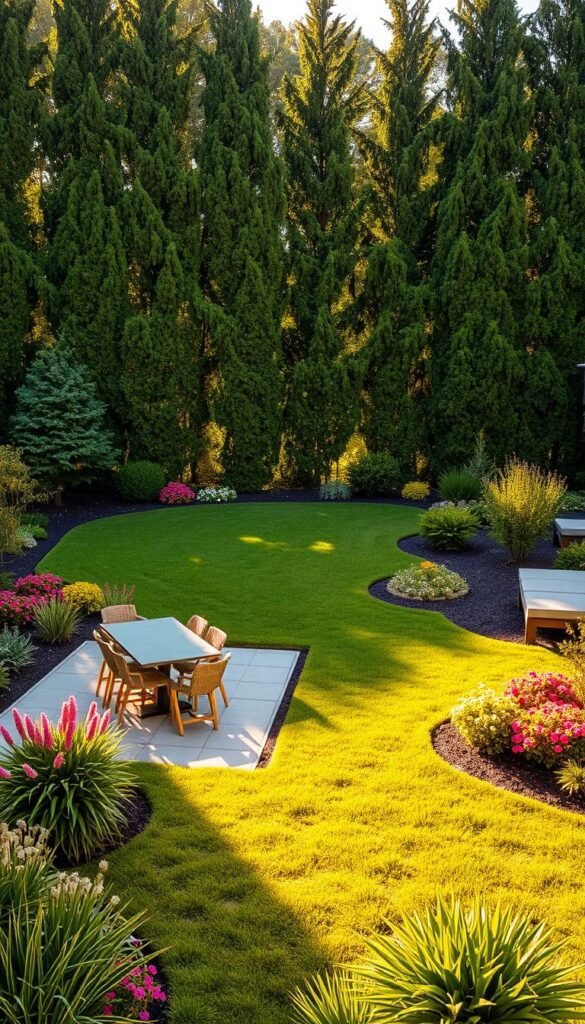
Pathways and structures are not just functional; they also contribute to the overall aesthetic of your backyard. Meandering pathways can encourage exploration, while structures like pergolas or gazebos can provide shade and create cozy areas.
When incorporating pathways, consider using materials that complement your home's exterior, such as brick, stone, or gravel. For structures, think about how they can be used to define different areas within your yard.
By thoughtfully designing your layout with these elements, you'll create a backyard landscaping design that is both beautiful and functional.
Selecting Plants for Small Spaces
I'm excited to share my top tips on selecting plants for small backyards. These tips will help you create a lovely and easy-to-care-for space with small backyard landscaping in mind.
Choosing the right plants is key. You want them to be beautiful and easy to care for. Here are some important things to consider!
Low-Maintenance Options
For a hassle-free small backyard landscaping experience, choose low-maintenance plants. Succulents, boxwood, or yew are great for busy homeowners. They let you enjoy your outdoor space without the hassle.
- Succulents: Store water in their leaves, stems, or roots, making them drought-tolerant.
- Boxwood: A versatile, evergreen shrub that's great for topiaries or hedges.
- Yew: A low-maintenance, evergreen shrub that's perfect for adding structure to your yard.
Native Plants Benefits
Native plants are an excellent choice for front yard landscaping ideas. They are naturally adapted to the local climate and soil. This means they need less care and maintenance.
"Native plants are the backbone of a sustainable landscape, providing a haven for local wildlife and requiring minimal upkeep."
Native plants offer several benefits:
- Improved soil health
- Increased biodiversity
- Reduced water consumption
Seasonal Blooms and Color
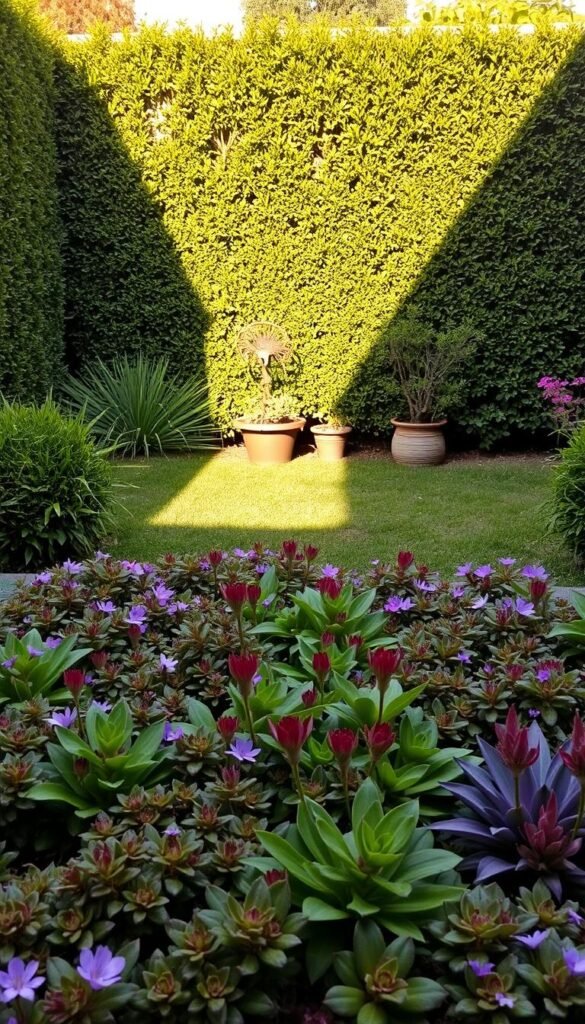
To add visual interest to your small backyard, choose plants with seasonal blooms. This keeps your landscape vibrant and dynamic all year.
For spring color, try tulips, daffodils, or azaleas. In summer, hydrangeas, daylilies, or black-eyed susans are great choices.
Hardscaping Considerations
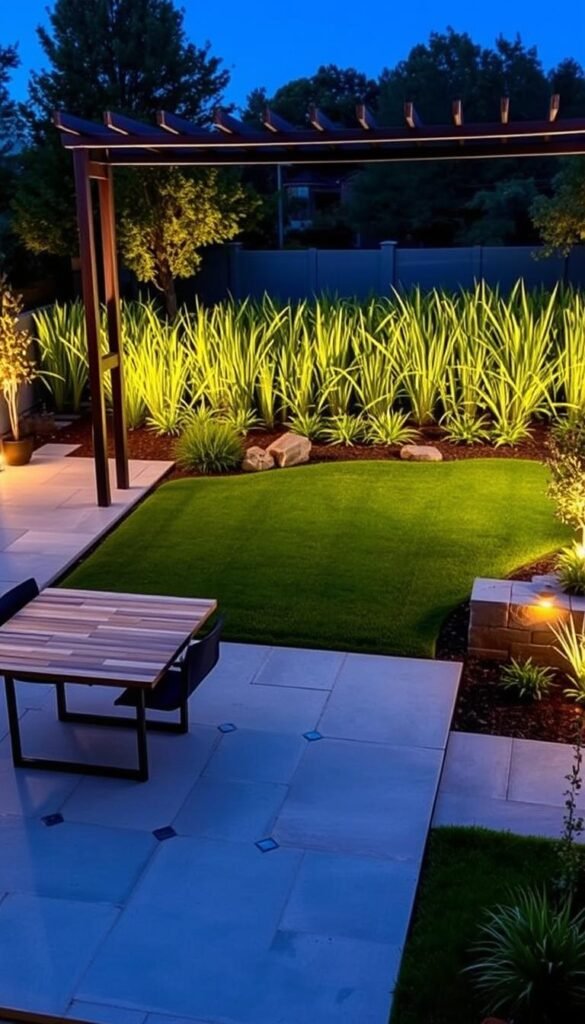
A well-designed hardscape can turn your backyard into a stunning oasis. It's perfect for relaxation and entertainment! Understanding the role of hardscaping is key to a functional and beautiful outdoor space.
Selecting the Right Hardscape Elements
Choosing the right hardscape elements can be overwhelming. But don't worry, I'm here to guide you! Think about your backyard's style and your preferences. Popular elements include patios, decks, walkways, and retaining walls.
For example, a patio can extend your indoor living area for dining and socializing. A deck offers a cozy spot for relaxation. "The way you design your outdoor space can greatly impact your overall quality of life." The right elements can blend indoors and outdoors, improving your living experience.
The Benefits of Patios and Decks
Patios and decks are top choices in modern landscaping. They add living space and offer many benefits, like:
- Increased outdoor living area
- Enhanced entertainment and socializing opportunities
- Improved property value
- Potential for increased energy efficiency by extending your living space outdoors
When choosing between a patio and a deck, think about your budget, home style, and preferences. Both can enhance your backyard, making it beautiful and functional.
"A well-designed outdoor space can become the heart of your home, where memories are made and cherished."
Incorporating Water Features
Adding water features to your hardscape design brings calm and serenity. From small fountains to large ponds, they create a peaceful atmosphere. Consider your backyard's scale and style, as well as local regulations and maintenance needs.
By carefully choosing hardscaping elements like patios, decks, and water features, you can create a stunning backyard. I'm excited to help you make your outdoor space a reality!
Maintaining Your Small Backyard Landscape
Keeping your small backyard in top shape is easy with the right tips. A well-maintained outdoor space boosts your home's look and offers a peaceful spot for fun and rest.
Regular Care and Maintenance Tips
Regular upkeep is key to a beautiful small backyard. Tasks like mowing, pruning, and checking irrigation systems are essential. Set aside time each week to do these to avoid problems like overgrown plants or wasted water.
Key maintenance tasks include:
- Lawn mowing and edging
- Pruning shrubs and trees
- Inspecting and maintaining irrigation systems
- Weeding and mulching garden beds
Seasonal Checklists for Plant Care
Each season brings unique challenges for your backyard. A seasonal checklist helps ensure your plants get the right care all year. For example, spring is for pruning and fertilizing, while summer is for watering and pest control.
Here's a brief seasonal checklist:
- Spring: Prune plants, fertilize, and prepare soil for new growth.
- Summer: Water regularly, control pests, and maintain mulch.
- Autumn: Clean up fallen leaves, prepare plants for winter, and divide perennials.
- Winter: Protect plants from frost, plan for the upcoming growing season.
Pest Control Solutions
Pests can ruin a beautiful backyard. I've found that mixing natural and chemical pest control works well. This might mean introducing beneficial insects, using organic pesticides, or applying targeted chemical treatments.
Effective pest control strategies include:
- Encouraging beneficial insects
- Using organic or chemical pesticides judiciously
- Maintaining healthy plants through proper care
Creating a Sustainable Backyard
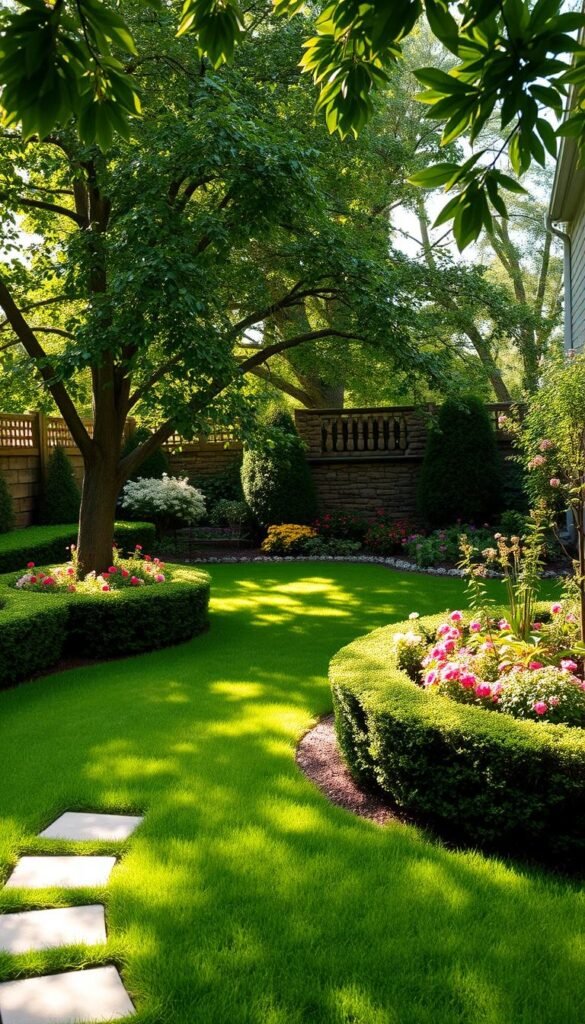
I love sustainable living and want to help you make your small backyard green. By using eco-friendly practices in your small backyard landscaping, you help the planet. You also get a lovely and useful outdoor area.
Water Conservation Techniques
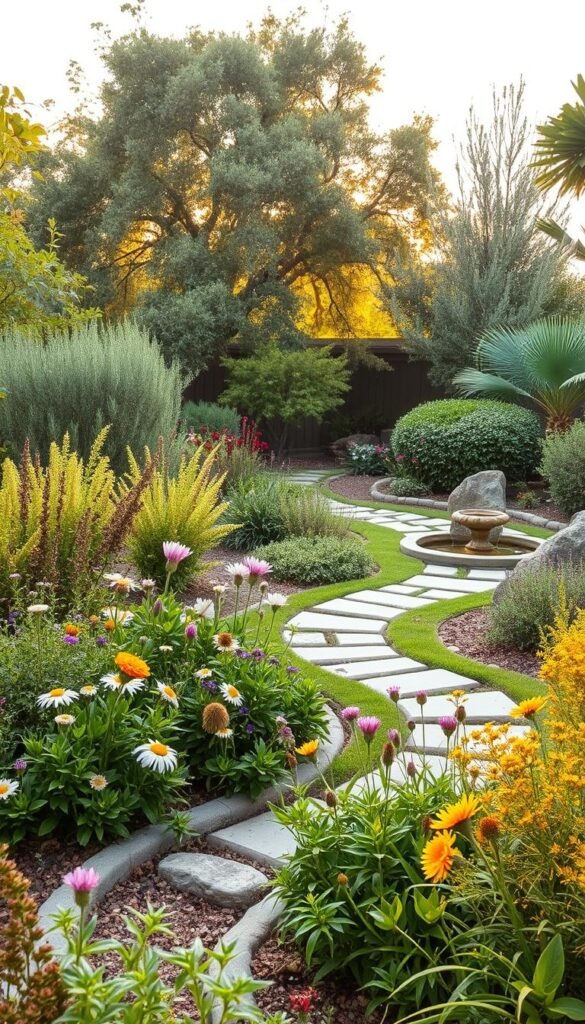
Water-saving steps are key for a green backyard. Think about getting a rain barrel for water. It cuts down on water use a lot. Also, pick plants that don't need much water for your front yard landscaping ideas.
Use permeable pavers for paths and patios. They let rainwater soak in, lessening runoff. Small changes add up over time!
Implementing Composting
Composting is great for reducing waste and making soil for your garden. It turns kitchen and yard waste into something good for your small backyard landscaping. Start a compost pile or use a bin. Mix food scraps with dried leaves.
"Composting is a simple yet powerful way to close the loop on waste and nourish your garden. It's a practice that embodies the spirit of sustainability."
Using Eco-Friendly Materials
Choosing the right materials for your backyard matters a lot. Go for recycled plastic, wood from sustainable sources, or natural stone. These choices are better for the planet and make your space special.
- Recycled plastic lumber for decking and fencing
- Sustainably harvested wood for patios and walkways
- Natural stone for decorative features and pathways
By picking eco-friendly options, you'll have a green backyard that shows your care for the earth. As you look at front yard landscaping ideas and small backyard landscaping, remember every choice helps.
Getting Professional Help When Needed
DIY landscaping can be rewarding, but sometimes, professional help is better. I enjoy working with landscape designers to make my backyard dreams come true. Here's when you might need to hire a pro.
Expert Guidance
Not sure about your small backyard's design or layout? A landscape designer can help. They offer expert advice on creating a beautiful and functional outdoor space that fits your needs.
Benefits of Professional Services
Professional designers have a lot of knowledge and experience. They can pick the best plants, materials, and features for your modern backyard. This can make your home more valuable.
Budgeting for Experts
When planning your budget for landscaping experts, think about your project's size and complexity. Professional services might cost more, but they're worth it for a high-end backyard design.