I'm excited to share my top tips on how to avoid common mistakes when creating a stunning hydrangea display in your modern backyard!
Creating a breathtaking outdoor space with hydrangeas requires careful planning and attention to detail. Many of us make simple mistakes that can affect the beauty and health of these gorgeous plants.
In this article, we'll explore the most common hydrangea landscaping mistakes and provide you with practical advice to achieve a beautiful, thriving outdoor oasis.
Understanding Hydrangeas and Their Varieties
To create a stunning hydrangea landscape, it's key to know the different types of hydrangeas and their needs. I'm excited to share my knowledge with you. This will help you make informed decisions for your small backyard or front yard landscaping.
Common Types of Hydrangeas
There are several types of hydrangeas, each with its own traits and needs. The most common varieties include:
- Bigleaf Hydrangeas: Known for their large, showy flowers, these hydrangeas are a popular choice for many gardeners.
- Panicle Hydrangeas: These hydrangeas are prized for their cone-shaped flowers and ability to thrive in a variety of conditions.
- Smooth Hydrangeas: With their large, round clusters of flowers, smooth hydrangeas are a favorite among landscapers.
By understanding the different types of hydrangeas, you can choose the best variety for your garden. This ensures it thrives.
Ideal Growing Conditions
Hydrangeas have specific growing requirements that must be met for them to flourish. Some key factors to consider include:
- Sunlight: Most hydrangeas prefer partial shade, which is important in warmer climates.
- Soil Quality: Hydrangeas thrive in well-draining, fertile soil.
- Watering: Consistent moisture is key, but overwatering can harm the plant.
By providing your hydrangeas with the right growing conditions, you can enjoy beautiful blooms and a healthy plant. For more front yard landscaping ideas, consider incorporating hydrangeas. They can add texture and color to your outdoor space.
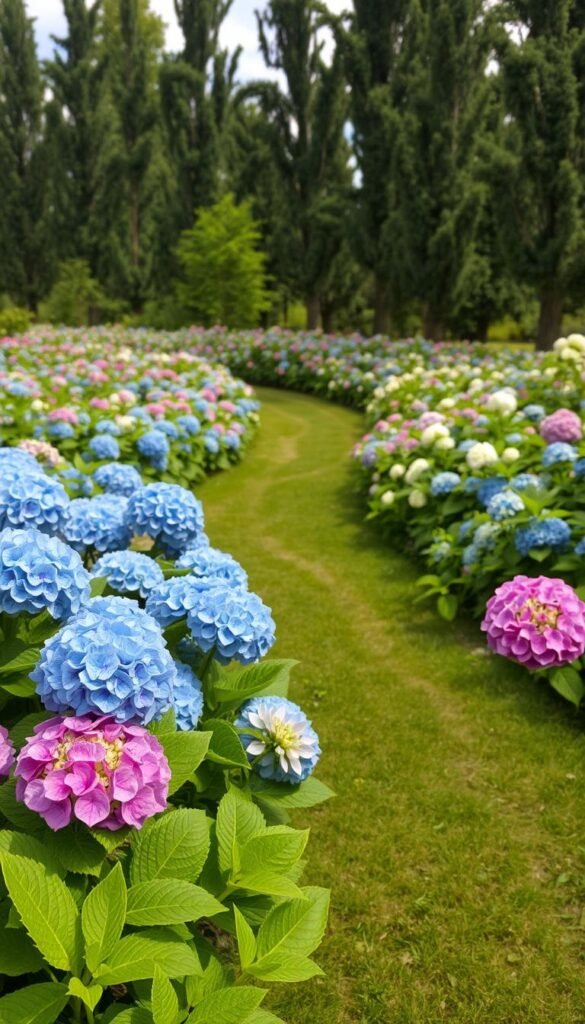
Choosing the Wrong Location for Planting
Before you start planting, it's important to understand the role of location in hydrangea care. I love seeing hydrangeas thrive in the right spots. Here, I'll share tips to help you avoid common mistakes.
Importance of Sunlight
Hydrangeas need enough sunlight to bloom well. Most types need four to six hours of direct sunlight daily. But in warmer places, some afternoon shade is key to prevent leaf scorch.
Tips for Assessing Sunlight:
- Watch how sunlight changes in your yard throughout the day.
- Think about the season and how the sun's position shifts.
- Use a sunlight app to check sunlight hours in different spots.
Considering Drainage
Hydrangeas need well-draining soil. They don't like being too wet. So, areas with standing water or where water collects after rain aren't good. I recommend raised beds for better drainage.
Improving Drainage:
- Add compost to your soil to improve its structure.
- Make a raised bed if your yard drains poorly.
- Use mulch to control soil moisture and temperature.
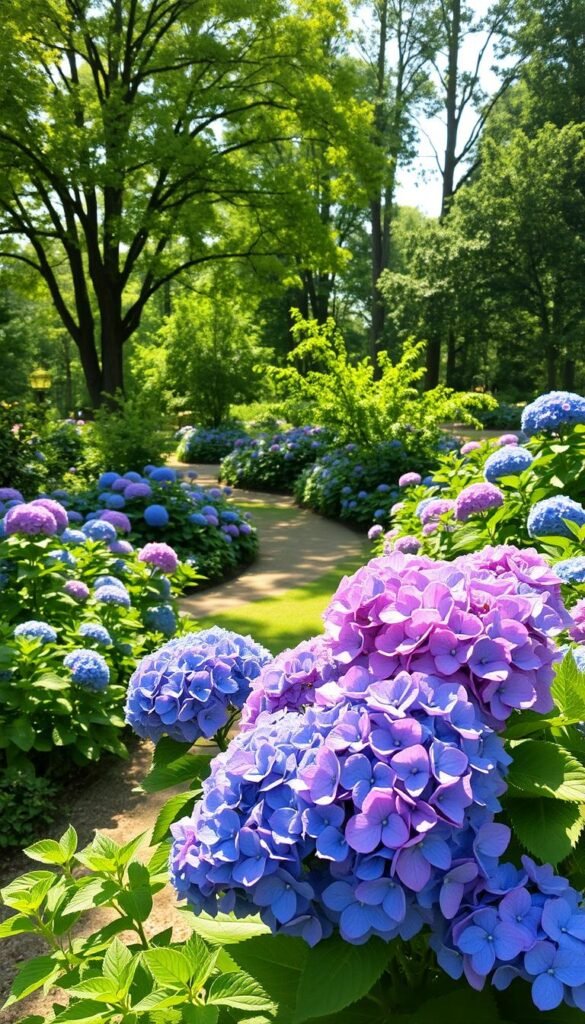
By picking the right spot with enough sunlight and good drainage, you'll create a beautiful hydrangea landscape. It will be the talk of the town! I'm excited for you to enjoy the beauty and vibrancy hydrangeas add to your front yard.
Ignoring Soil Quality
The secret to stunning hydrangea blooms is in the soil. I'm excited to help you unlock its secrets. Soil quality is key to your hydrangeas' health and beauty. By improving it, you create a perfect home for your plants.
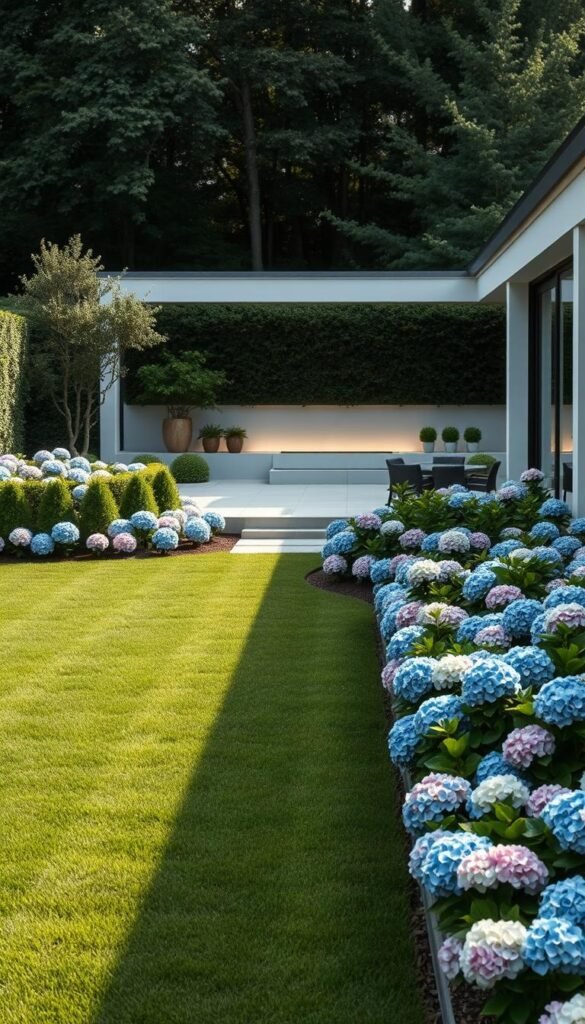
Testing Soil pH
Soil pH is a critical factor. Hydrangeas need a specific pH for the best blooms and health. Use a soil testing kit or send a sample to a lab to find out your soil's pH.
Knowing your soil's pH is essential. It tells you if you need to change it for your hydrangeas. For example, acidic soils make bigleaf hydrangeas bloom blue, while alkaline soils make them bloom pink.
This knowledge lets you control the bloom color. It adds a creative touch to your modern backyard landscaping.
Amending Soil for Better Growth
After testing your soil, amend it if needed. Organic matter like compost improves soil health. For hydrangeas, adding materials like elemental sulfur or aluminum sulfate can adjust the pH.
These changes help your hydrangeas grow and bloom better. By investing in your soil, you're ensuring your plants' long-term health. This is vital for successful small backyard landscaping.
"The dirt is the foundation of the garden, and the garden is the foundation of the home."
Improving soil quality benefits your entire garden. This approach makes your landscape special and welcoming.
Planting at the Wrong Time
Timing is key when planting hydrangeas. I'm here to help you pick the best seasons for planting. This ensures your hydrangeas grow strong and bloom well, making your hydrangea landscaping and front yard landscaping ideas stunning.
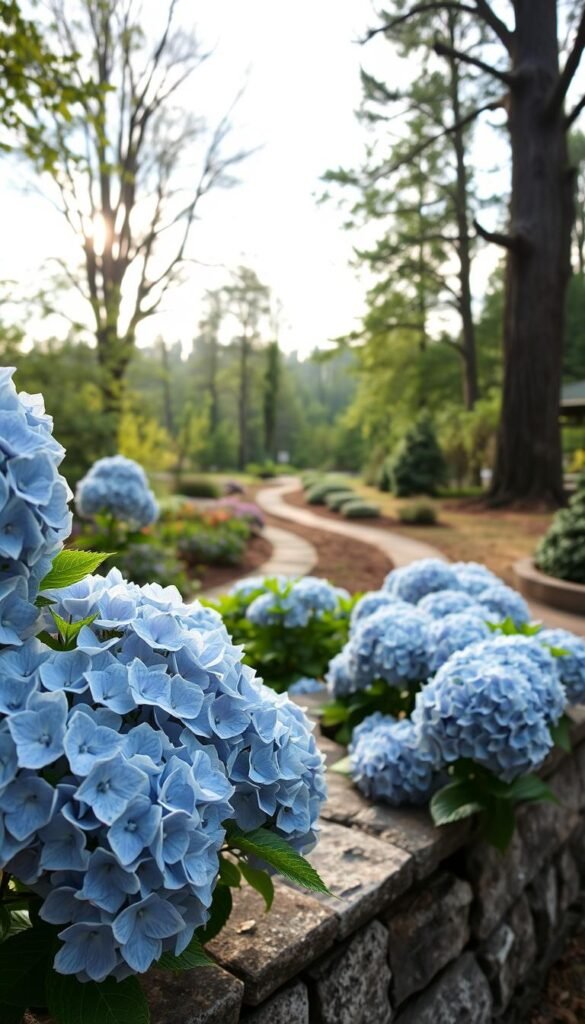
Best Seasons for Planting Hydrangeas
The best times to plant hydrangeas are in spring or fall. Spring planting lets hydrangeas grow strong before summer heat. Fall planting helps them settle in before winter. Both seasons have mild weather and plenty of moisture, perfect for young plants.
When choosing between spring and fall, think about your local weather. In cold areas, spring might be better. It lets hydrangeas grow strong before winter. In hot places, fall is better. It gives hydrangeas a cooler start.
- Spring Planting Tips: Wait until the soil warms up and frost is gone.
- Fall Planting Tips: Plant 6-8 weeks before the first frost to help roots grow.
By picking the right season and following these tips, you can make your hydrangea landscaping a success. Your front yard will become a beautiful spot.
Overwatering or Underwatering
Getting the watering right is key for your hydrangeas, a vital part of modern backyard landscaping. The right watering can greatly improve your plants' health and look.
Finding the right balance is essential. Too much water can harm your plants as much as too little. Let's look at the signs of overwatering and underwatering to help you adjust your care.
Signs of Overwatering
Overwatering can cause root rot and fungal diseases. Look out for these signs:
- Yellowing leaves that may drop prematurely
- Soft, mushy stems
- A general decline in the plant's vigor
If you see these signs, reduce watering and improve drainage around your hydrangeas.
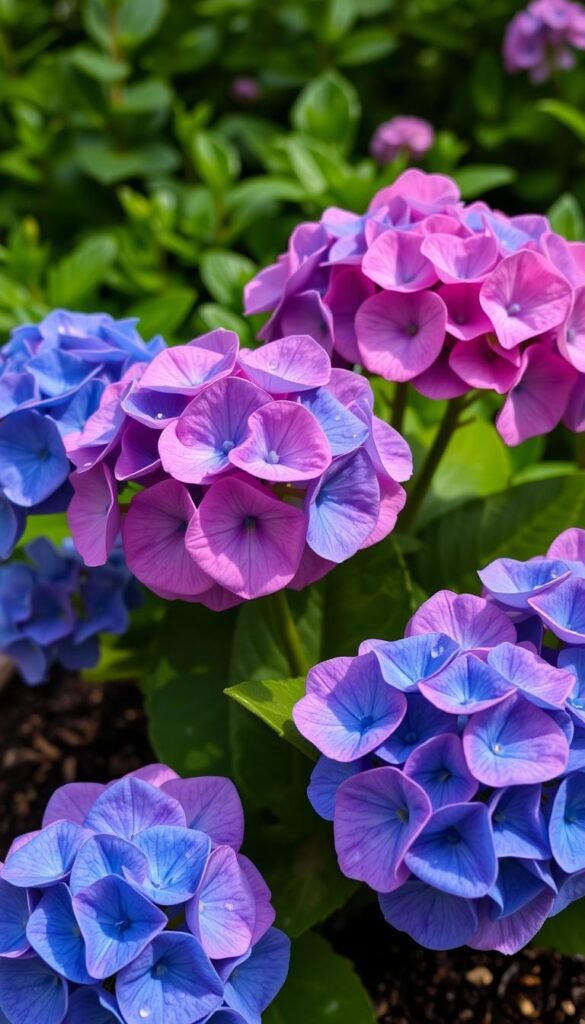
Signs of Underwatering
Underwatering can stress your hydrangeas, causing:
- Wilting leaves or droopy stems
- Slow growth or failure to bloom
- Leaves that are crispy or scorched around the edges
To fix these issues, water more often or adjust your irrigation system. The goal is to keep the soil moist but not too wet.
By paying attention to your hydrangeas' watering needs, you can create a beautiful small backyard landscaping feature. It will add joy and beauty to your outdoor space.
Not Pruning Hydrangeas Properly
Pruning hydrangeas is key to a stunning front yard. I'm here to help you learn how. Pruning helps hydrangeas grow, bloom, and look great. Knowing when and how to prune different hydrangeas will make your yard beautiful.
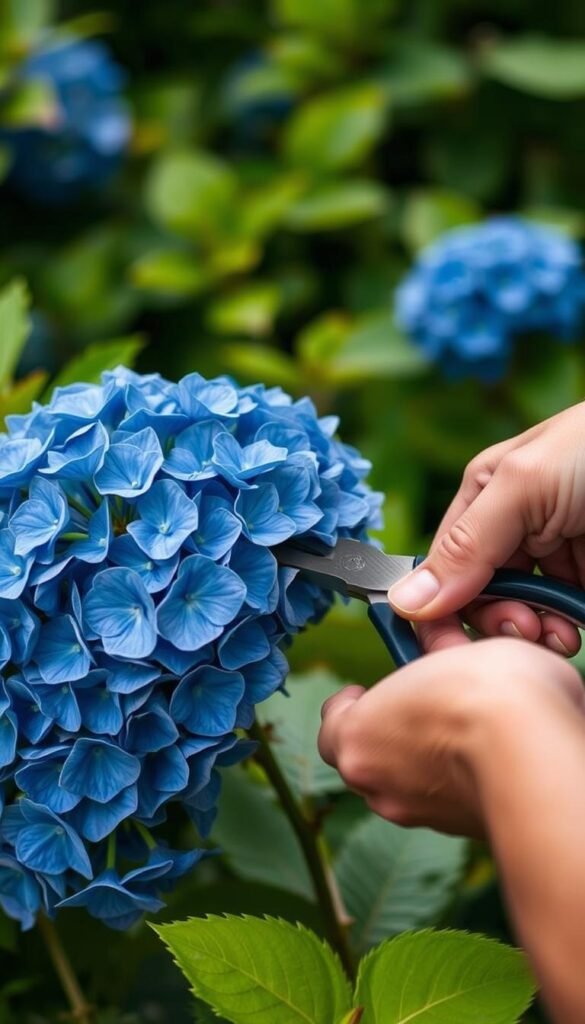
Timeframes for Pruning
When to prune depends on the hydrangea type. Bigleaf hydrangeas should be pruned right after they stop blooming. This is because they bloom on old wood.
Panicle and Smooth hydrangeas, though, can be pruned in late winter or early spring. They bloom on new wood.
Pruning at the right time is key. Pruning a Bigleaf hydrangea in fall or winter can cut off next year's flower buds.
Methods for Effective Pruning
Pruning is more than just cutting stems. It's about shaping your hydrangea for growth and blooms. Start by removing dead or damaged branches. These can attract disease and pests.
- Cut back stems to just above a bud eye to encourage new growth.
- Remove any weak or spindly growth to promote a stronger, more balanced plant.
- Shape your hydrangea to maintain its natural form and encourage blooming.
Michael Dirr, a famous horticulturist, once said,
"Pruning is not just a matter of cutting back plants; it's an art that requires an understanding of how plants grow and respond to different pruning techniques."
Learning to prune well will make your hydrangea beautiful and healthy. This will enhance your home's curb appeal.
Neglecting Fertilization Needs
One of the most important things for hydrangea care is the right fertilization. Fertilizing your hydrangeas is more than just giving them nutrients. It's about creating a place where they can bloom and grow well. If you're into modern backyard landscaping and want vibrant hydrangeas, here's how to fertilize them right.
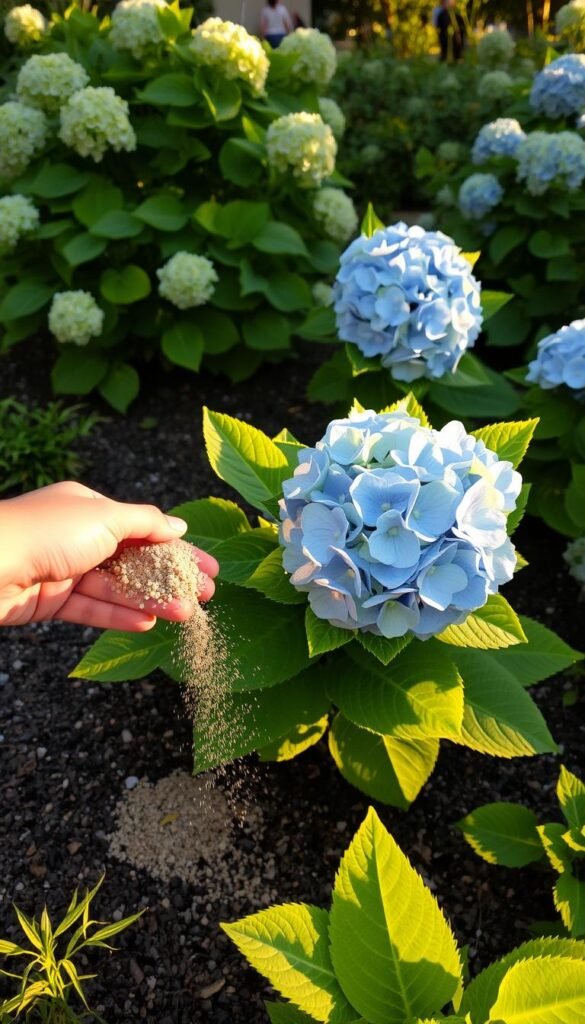
Best Fertilizers for Hydrangeas
Choosing the right fertilizer for your hydrangeas is key. Start with a balanced fertilizer that has nitrogen, phosphorus, and potassium (NPK). But, your hydrangeas might need something special. For blue hydrangeas, use a fertilizer that makes the soil more acidic. For pink hydrangeas, choose one that raises the soil pH.
Some popular fertilizers for hydrangeas include:
- Balanced, slow-release fertilizers
- Organic compost
- Fertilizers for acid-loving plants
Timing Your Fertilization
When to fertilize is just as important as what to use. For most hydrangeas, the best time is in late winter to early spring. This helps them grow and bloom all year. A second, lighter application in mid-summer is okay, but don't overdo it.
Adding fertilization to your hydrangea care can make your small backyard landscaping better. It leads to healthier, more vibrant plants that are the garden's stars.
Choosing the Wrong Companion Plants
A well-designed hydrangea landscape needs careful thought about companion plants. Companion planting is an art that can make your hydrangea landscape stunning. It creates a beautiful front yard that highlights your hydrangeas.
Ideal Pairings for Hydrangeas
When picking companion plants for your hydrangeas, look for ones that match their beauty and growth. Some great pairings include:
- Hostas: These plants offer a striking contrast with their large, leafy foliage.
- Astilbe: Astilbe flowers add a soft, romantic texture to the landscape.
- Daylilies: Daylilies have vibrant, trumpet-shaped flowers that contrast beautifully with hydrangea blooms.
These plants not only look good with hydrangeas but also grow well in similar conditions. They're perfect for a low-maintenance landscape.
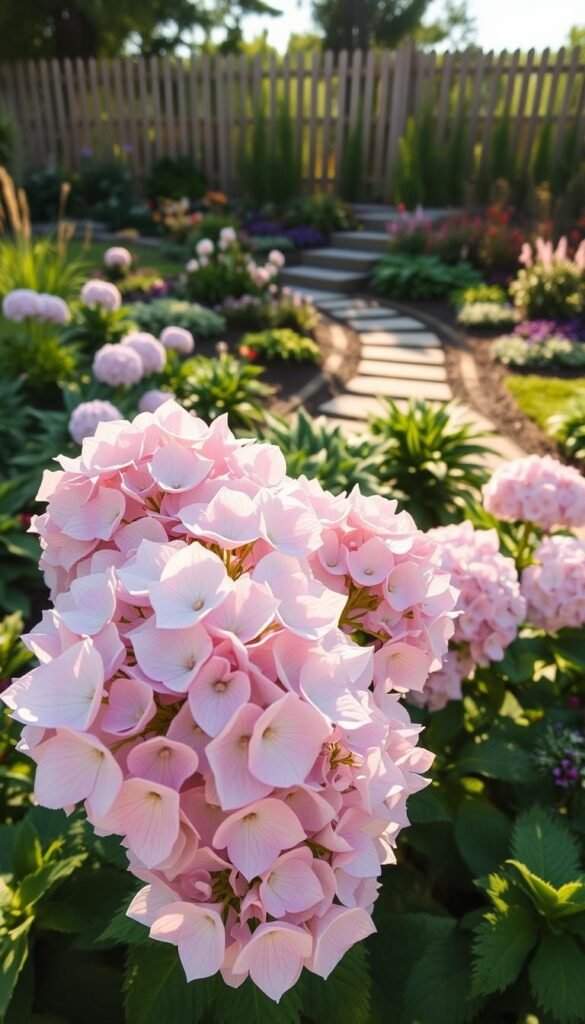
Plants to Avoid
While many plants go well with hydrangeas, some should be avoided. For instance:
- Aggressive spreaders: Plants like mint or bamboo can take over and outcompete hydrangeas for resources.
- Shade-loving plants: If your hydrangeas get a lot of sun, don't plant shade-loving plants that may not do well.
- Tall plants: Plants that grow too tall can block the view of your hydrangeas, making them less noticeable.
By picking the right companion plants, you can create a stunning landscape that showcases your hydrangeas. For more front yard landscaping ideas, try different combinations to find what works best for you.
Not Preparing for Seasonal Changes
As seasons change, it's key to adjust hydrangea care to keep them thriving. Whether you're working on a small backyard landscaping project or a bigger garden, knowing how to care for hydrangeas in different seasons is essential.
Hydrangeas face unique challenges in winter and summer. Being proactive helps protect them from harsh weather. This way, you can enjoy their beauty all year.
Winter Care for Hydrangeas
Winter can be tough on hydrangeas, more so in colder areas. To get your plants ready for the cold, consider:
- Mulching around the base to keep roots warm
- Covering plants with burlap or a frost blanket to shield from wind and frost
- Less watering to avoid root rot
Jane Smith, a well-known gardening expert, advises, "Protecting hydrangeas from winter damage is key for their survival and future blooms." These steps can help your hydrangeas make it through winter and bloom in the spring.
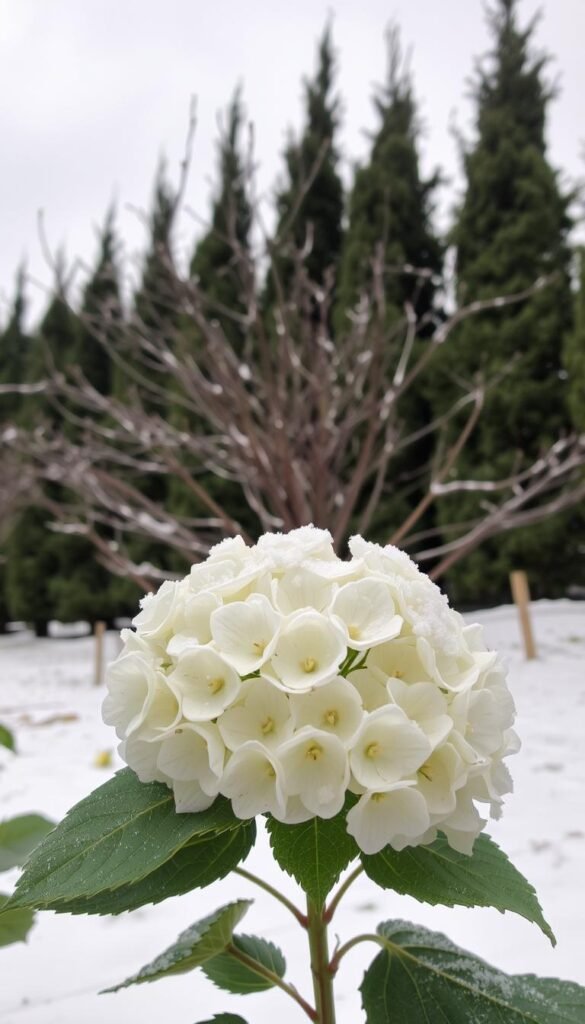
Summer Heat Tips for Hydrangeas
Summer can also be tough for hydrangeas, during heatwaves. To keep them healthy and blooming, try these tips for your modern backyard landscaping:
- Watering enough to keep soil moist
- Using drip irrigation to water roots directly
- Providing shade during the hottest part of the day to prevent scorching
By following these tips, you can enjoy your hydrangeas all summer. The secret to success is knowing your plants' needs and adjusting your care routine.
Overlooking Pest Control
When it comes to hydrangea landscaping, pest control is often overlooked. As someone who loves gardening, I want to stress the importance of watching out for pests. These pests can harm your beautiful hydrangeas. Keeping your garden pest-free is key to a healthy ecosystem.
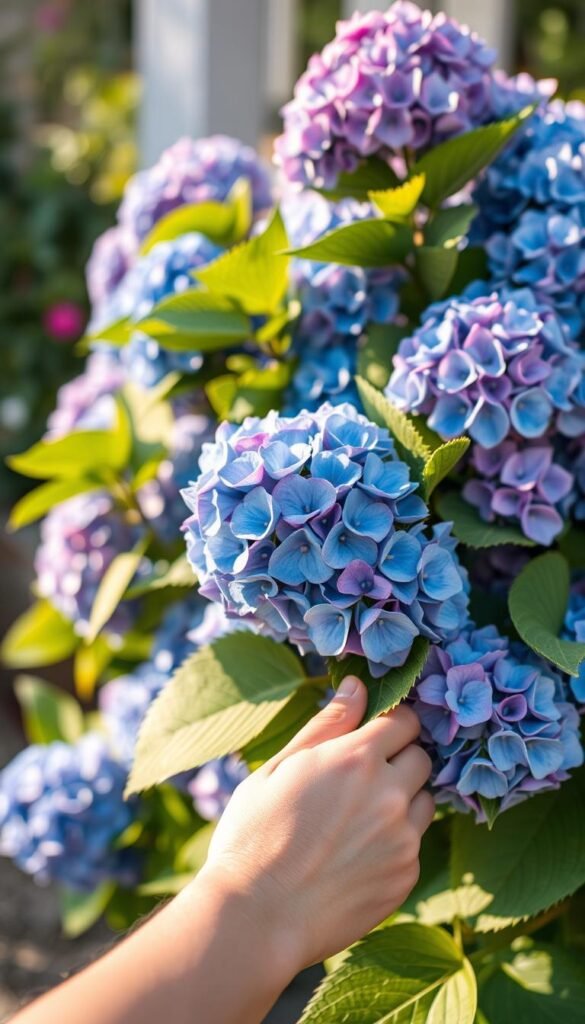
Common Pests for Hydrangeas
Hydrangeas face many pests, like aphids, spider mites, and scale. These tiny pests can do a lot of damage if not stopped. For example, aphids can warp your hydrangea leaves, while spider mites can turn them yellow or bronze.
Aphids are a big problem because they multiply fast. Spider mites love dry weather, so they're more common in hot summers.
Natural Pest Control Methods
Fortunately, there are natural ways to fight pests without harsh chemicals. One good method is to attract beneficial insects like ladybugs and lacewings. They eat the pests that harm your hydrangeas. You can also use neem oil or insecticidal soap to keep pests away.
- Spray neem oil on affected areas to control aphids and spider mites.
- Use insecticidal soap to gently remove scale and other pests.
- Encourage beneficial insects by planting a diverse range of flowers.
By using these natural methods, you can keep your hydrangeas safe and your garden balanced. A healthy garden is about more than just plants. It's also about the creatures that live there.
Failing to Research Local Climate
Knowing your local climate is key to growing hydrangeas well. I enjoy adding hydrangeas to modern backyard designs. Here, I'll share how to research your climate and care for your area.
Zone Variability Matters
Zone variability greatly affects hydrangea care. Different areas have unique climates that impact growth. For example, in cold winters, hydrangeas need extra protection. In hot climates, they need more water.
Tailoring Care to Your Region
It's vital to adjust your care to fit your local climate. Whether it's a small backyard or a big garden, knowing your area's needs is important. This way, you can enjoy beautiful hydrangeas that make your outdoor space even better.