I'm excited to share my guide to budget-friendly landscaping upgrades! Creating a beautiful outdoor space doesn't have to break the bank.
In this article, I'll walk you through my top tips for transforming your yard on a budget. From assessing your outdoor space to maintaining your landscape, I'll cover it all!
Let's get started on creating a welcoming and functional outdoor area that you'll love! With a few simple and cost-effective upgrades, you can enhance your home's curb appeal and create an inviting atmosphere for outdoor living.
Understanding Your Landscaping Needs
Before starting any landscaping project, it's key to know what your yard needs. I take time to look at my yard, find what needs fixing, and dream about what it could be. This first step is important for making a yard that looks good and works well, fitting your style and budget.
Assessing Your Outdoor Space
When checking out your yard, think about a few important things. Sunlight is key because it tells you what plants will grow best. For example, plants for full sun are different from those for shade.
Soil quality is also very important. Testing your soil shows its type and pH level. This helps pick the right plants for your soil. Also, look at slopes, drainage, and what's already there. This helps spot problems and chances for improvement.
Identifying Key Improvement Areas
After checking your yard, find the main areas that need bettering. Look for ways to make your yard both useful and pretty. Maybe you want a place to sit, better drainage, or more plants.
Decide what to improve first based on your budget and what you need. Start with small, cheap changes like adding plants in pots or painting outdoor furniture. Then, you can do bigger things like a patio or raised garden beds.
"The way you landscape your yard can significantly impact your home's curb appeal and overall value." - Landscape Design Expert
Knowing what your yard needs and where to start can make a big difference. You'll get a yard that's not just pretty but also useful, boosting your home's value and giving you a peaceful spot for years.
Setting a Realistic Landscaping Budget
Creating a good landscaping budget is key to reaching your outdoor dreams without overspending. I'll share tips on making a budget that covers everything from materials and labor to unexpected costs.
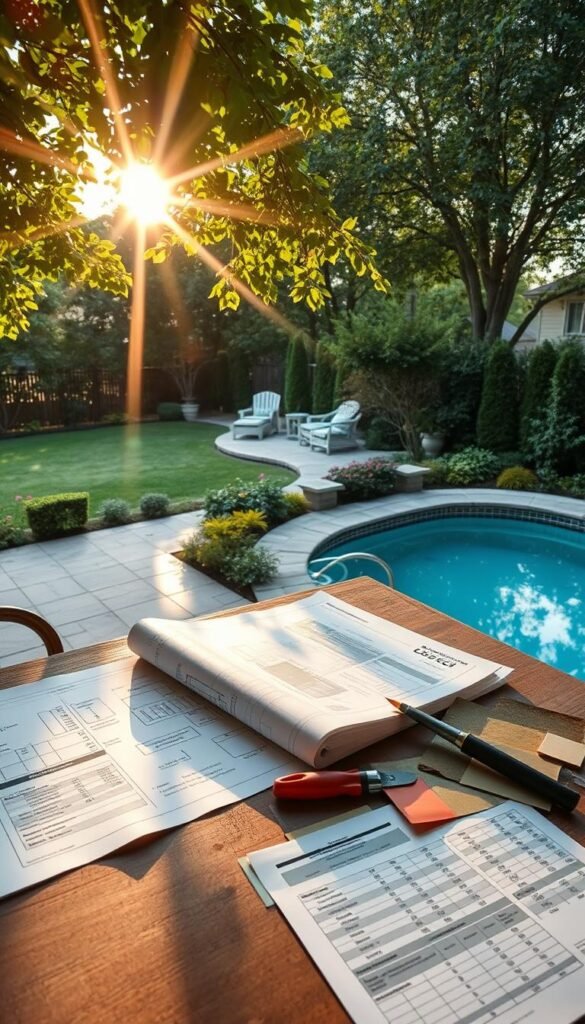
Creating a Clear Budget Plan
To make a solid budget, first figure out what's most important to you. Do you want a new pool landscaping feature or a garden makeover? List your must-haves and nice-to-haves. This way, you can spend your money wisely.
Then, look up the costs for your landscaping ideas. Get quotes from contractors and compare prices for materials at local stores. Remember to include these expenses:
- Materials (plants, stones, mulch, etc.)
- Labor costs for installation
- Permits and inspections
- Contingency fund for unexpected expenses
Allocating Funds for Materials and Labor
After knowing your costs, split your budget. Here's a good rule of thumb:
- 40-50% for materials
- 30-40% for labor
- 10-20% for contingencies
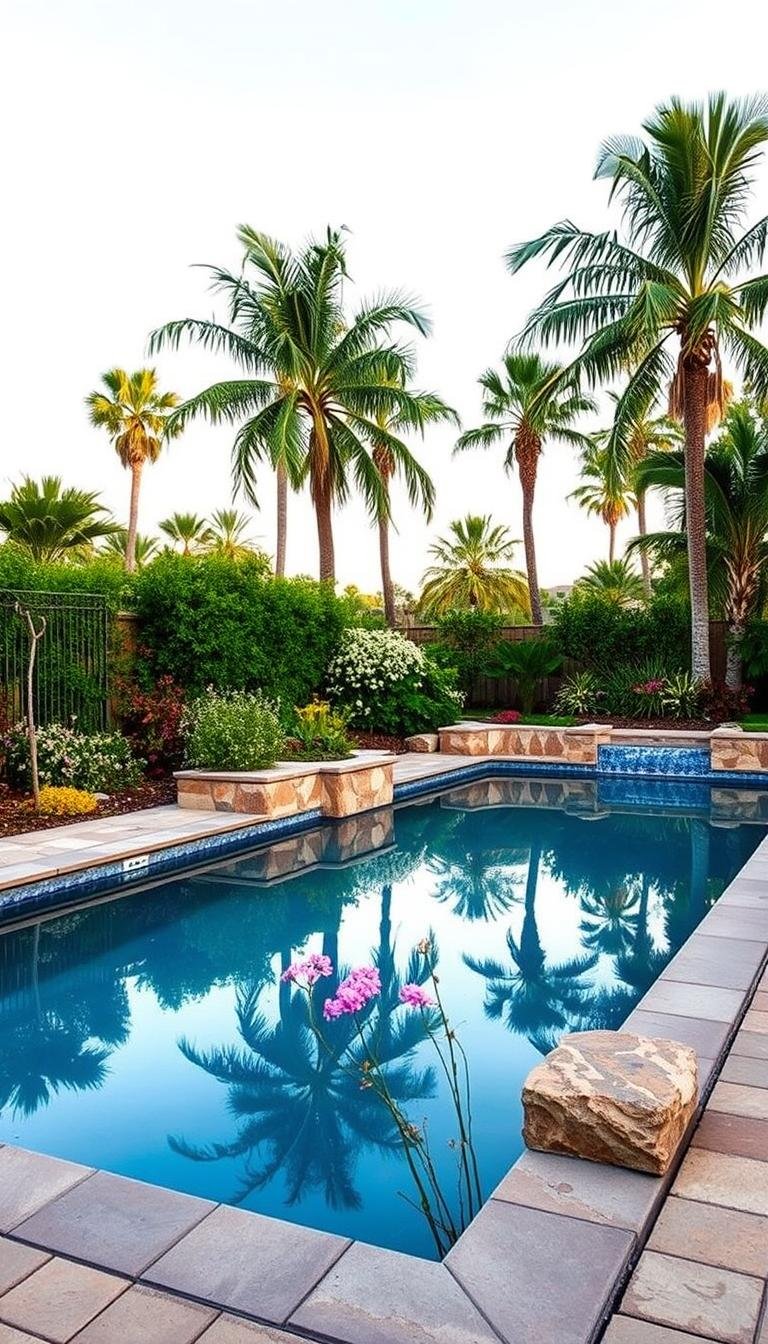
For instance, if you're doing a pool landscaping project, spend more on materials like stone and plants. Don't forget to budget for labor costs too.
By following these steps and making a detailed budget, you can reach your landscaping dreams without financial worries. A well-thought-out budget is essential for a successful outdoor makeover!
Choosing Low-Cost Plants for Your Garden
Creating a stunning garden on a budget is achievable by selecting the right plants that thrive in your local climate. I love incorporating plants that not only add beauty but also require minimal maintenance. This makes them perfect for budget-friendly landscaping.
Native plants are some of the best choices. They're naturally adapted to the local climate and soil conditions. This means they need less watering, pruning, and fertilizing. This not only saves you money but also reduces your environmental impact.
Best Budget-Friendly Plants for the U.S.
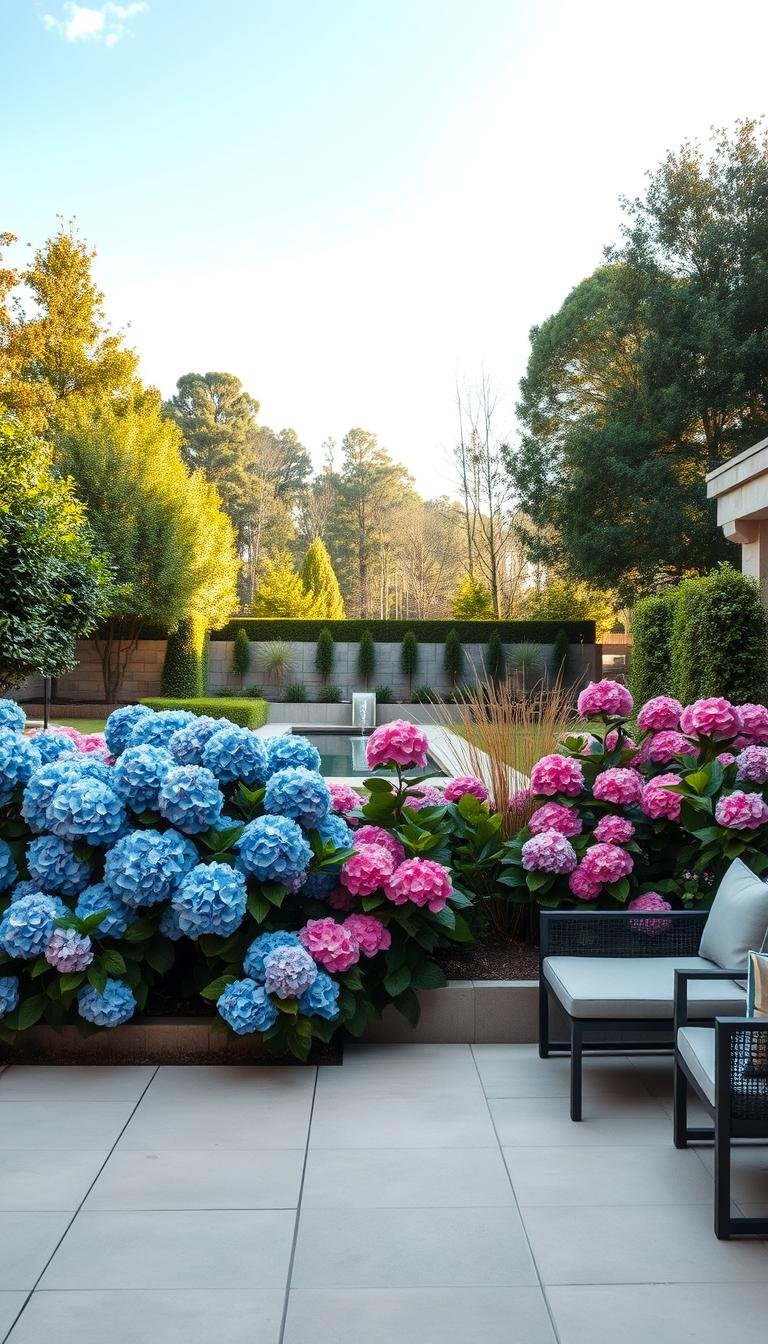
Some of my favorite budget-friendly plants for gardens in the U.S. include hydrangeas. They are not only beautiful but also relatively inexpensive. Incorporating hydrangeas into your hydrangea landscaping can add a touch of elegance without breaking the bank.
- Hydrangeas: These flowers come in a variety of colors and are relatively low maintenance.
- Daylilies: Drought-tolerant and requiring minimal care, daylilies are a great choice.
- Boxwood: Perfect for hedges or topiaries, boxwood is affordable and versatile.
Incorporating Native Plants to Save Money
Native plants are an excellent choice for budget-friendly landscaping. They're often drought-tolerant and require less maintenance. For example, plants like coneflowers and black-eyed susans are not only beautiful but also attract local pollinators. This enhances the biodiversity of your garden.
To incorporate native plants effectively, consider the following tips:
- Research plants native to your area to ensure they're suitable for your climate.
- Choose plants that are appropriate for the specific conditions of your garden, such as sunlight and soil type.
- Group plants with similar watering needs together to optimize water use.
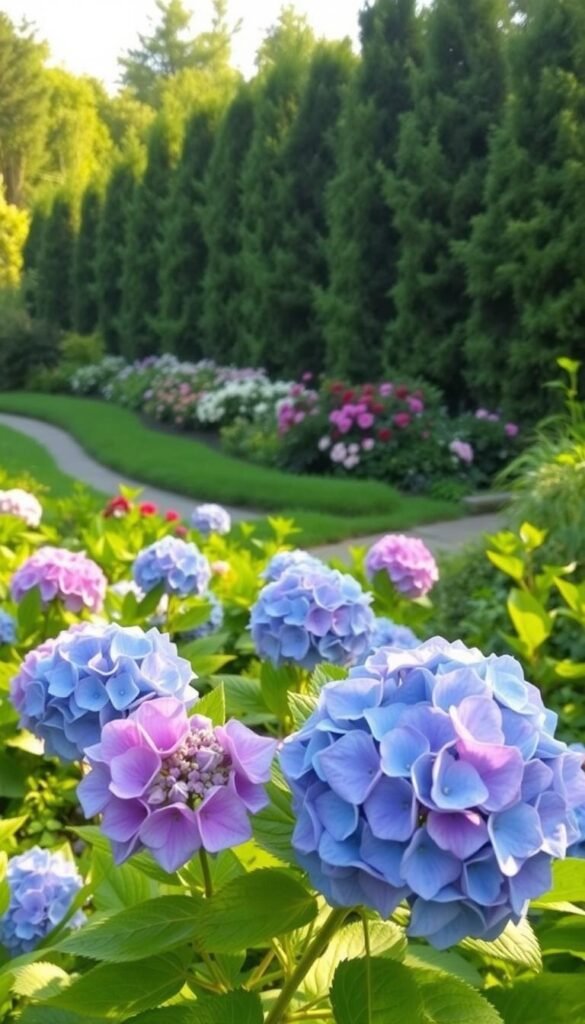
By choosing the right plants for your garden, you can create a beautiful outdoor space that is both budget-friendly and sustainable. Remember, the key is to select plants that are well-suited to your local climate and soil conditions. This reduces the need for costly maintenance and care.
DIY Landscaping Projects to Save Money
I'm excited to share my favorite DIY landscaping projects. They can transform your outdoor space without costing a lot. Doing these projects yourself saves money and gives you a sense of accomplishment. You'll see how easy it is to improve your garden's look.
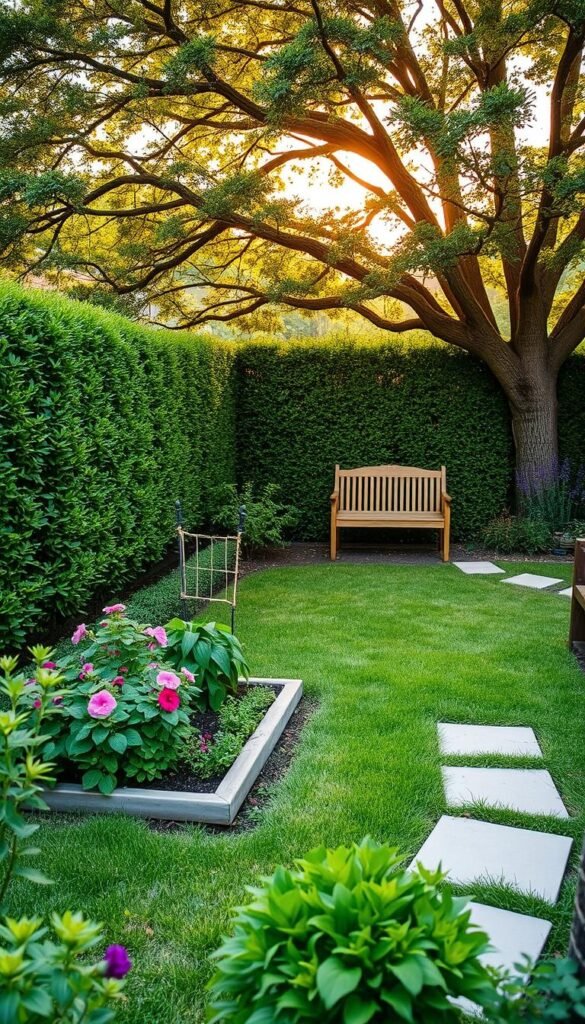
Creating a Simple Garden Path
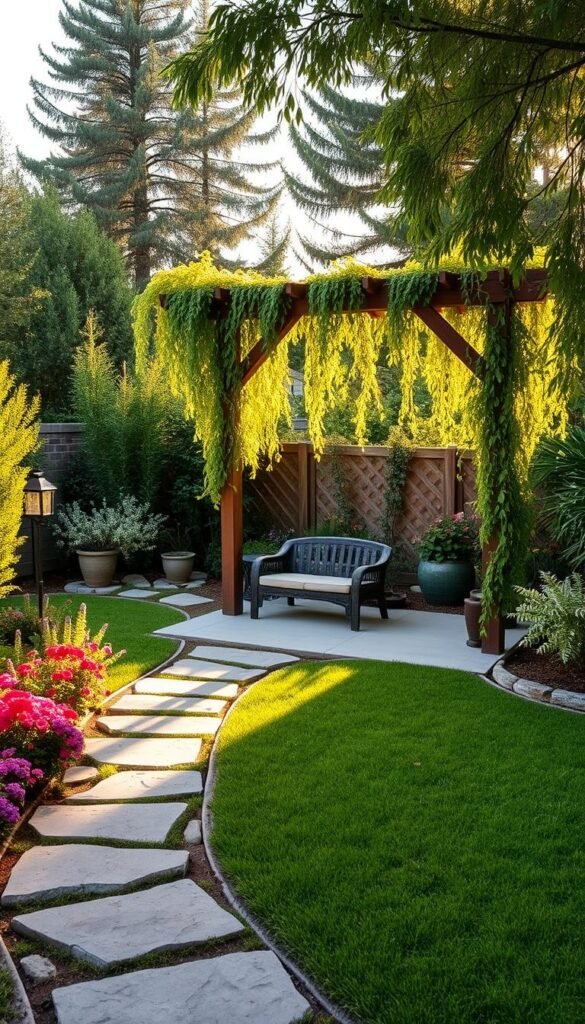
A garden path can add beauty to your outdoor space. It guides visitors and creates a sense of journey. You can use gravel, brick, or stone for this. These materials are affordable and easy to work with.
For a beautiful garden path, keep it simple and let the materials shine. Add plants along the edges to soften the look and blend with the landscape.
Building Raised Garden Beds
Raised garden beds are a great DIY project. They improve drainage, soil warmth, and maintenance. You'll need wooden planks or composite materials, a hammer, and nails or screws.
"Raised beds are a game-changer for gardeners. They allow for better soil structure and can be built to any size or shape you need."
Fill your raised bed with topsoil, compost, and amendments for a nutrient-rich environment. This boosts your garden's productivity and looks.
By doing these DIY projects, you save money and enjoy creating something beautiful. Whether it's a simple path or a raised bed, your efforts will pay off with a better outdoor space.
Utilizing Hardscaping for Functional Design
I love hardscaping and think it's key for small backyard landscaping. It adds features like patios, walkways, and retaining walls. These make your outdoor space both beautiful and useful.
Hardscaping not only looks good but also helps manage your yard. For example, a patio can be an extra living area. It's great for parties or just chilling out.
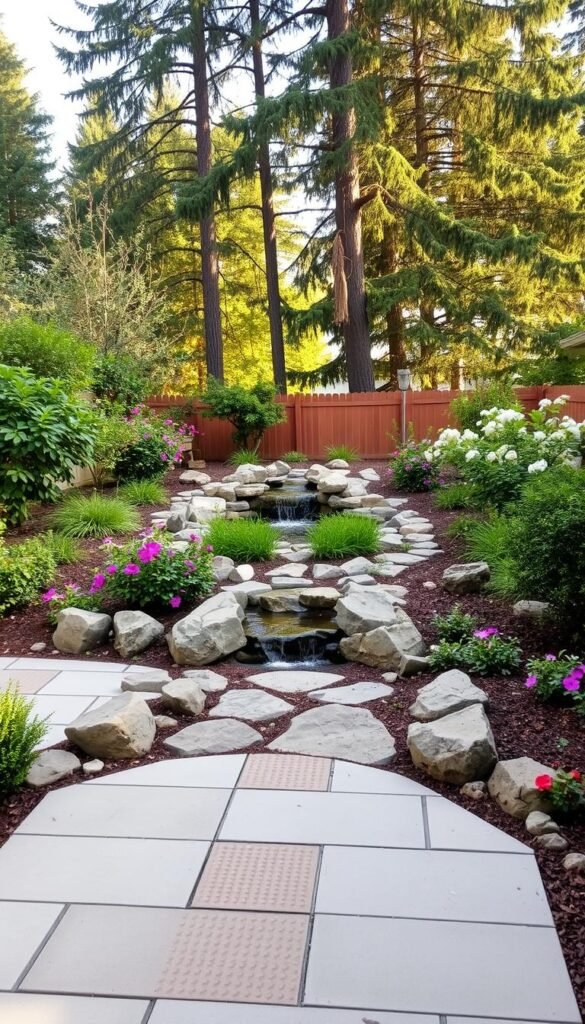
Affordable Hardscape Materials
Choosing the right materials for hardscaping is important for cost. Luckily, there are many affordable options. Here are a few:
- Concrete pavers
- Gravel or decomposed granite
- Bricks or brick pavers
These materials are cheap, yet durable and versatile. They're ideal for small backyard projects.
Designing a Budget-Friendly Patio
Creating a patio on a tight budget needs some creativity. Mixing materials like concrete pavers and gravel works well. It makes a space that looks good and works well.
To make your patio even better, add some extras. Think about outdoor lighting or a fire pit. These add to the atmosphere and make your space more welcoming.
With hardscaping and affordable materials, you can have a beautiful outdoor area. And it won't break the bank.
Enhancing Curb Appeal with Small Changes
I'm excited to share my top tips for making your home's exterior look better with little effort and cost! You don't need to spend a lot to improve your home's curb appeal. A few simple changes can make a big difference and welcome visitors with a great first impression.
Painting Your Front Door
Painting your front door can change your home's look completely. Pick a color that matches your home and adds a personal touch! You could go for a bold color like red or yellow, or choose something more subtle.
Painting your front door is a simple DIY task that won't cost much. It's also a chance to show off your personal style on your home's exterior!
Adding Potted Plants
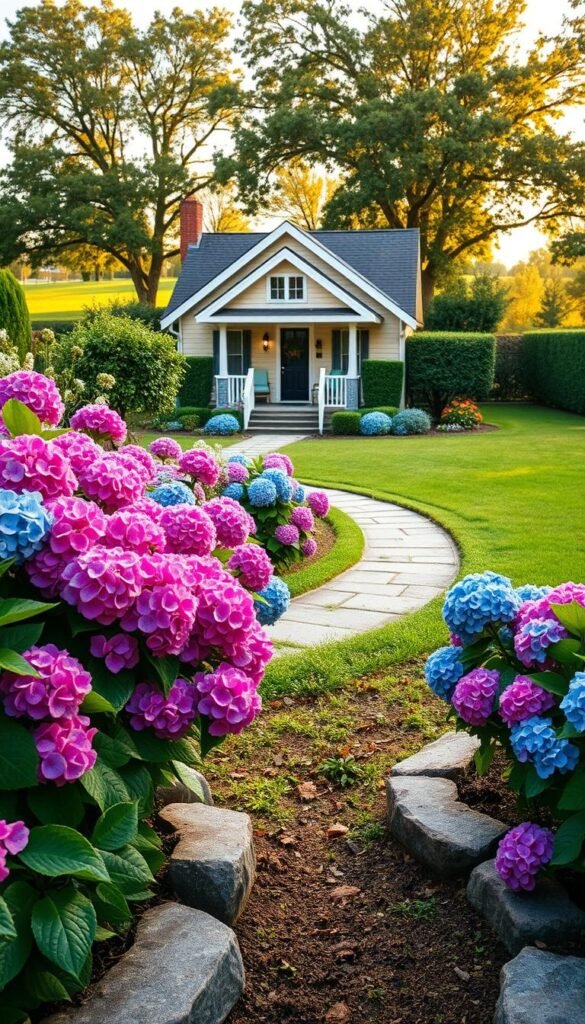
Potted plants are a great way to improve your home's curb appeal. I love using hydrangeas because they're beautiful, easy to care for, and versatile. Place potted hydrangeas by your front door or along your walkway for elegance and charm.
When picking potted plants, think about how much sunlight your home gets. Choose plants that do well in that light. You can mix different plants and flowers for a unique look!
By making these simple changes, you can greatly improve your curb appeal. This will make a great first impression on anyone who visits or might want to buy your home!
Sustainable Landscaping Practices to Cut Costs
Using sustainable landscaping can help you save money and protect the environment. As a homeowner, you can make a big difference. Plus, you'll get to enjoy a better outdoor space.
Start by using eco-friendly methods to cut down on waste and save on upkeep. For example, you can use pool landscaping with rainwater harvesting systems. This is a great way to start.
Composting and Mulching
Composting and mulching are key to a greener yard. Composting turns food scraps and yard waste into a soil booster. Mulching keeps the soil moist and weeds away.
- Start by composting food scraps and yard waste to create a nutrient-rich soil amendment.
- Use mulch to retain moisture, suppress weeds, and regulate soil temperature.
- Consider using organic mulch like wood chips or bark to add a natural touch to your landscape.
Rain Gardens for Water Efficiency
Rain gardens are a smart choice for saving water. They catch and filter rainwater, reducing stormwater runoff. This helps your drainage system too.
- Choose a location for your rain garden that receives partial shade and has well-draining soil.
- Select plants that are native to your region and can thrive in wet conditions.
- Consider adding a layer of mulch or compost to your rain garden to enhance its functionality.
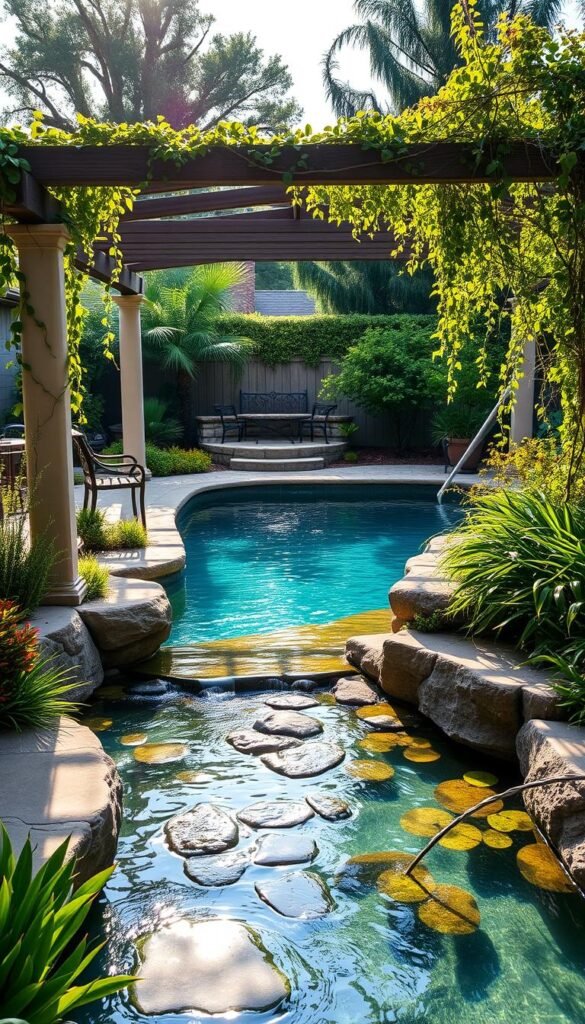
By adopting these sustainable practices, you can make your outdoor space both beautiful and eco-friendly. It's good for the planet and your wallet.
Seasonal Landscaping Upgrades on a Budget
Seasonal landscaping upgrades can change your outdoor space. I'm excited to share budget-friendly tips to help. As seasons change, our gardens and outdoor areas need different care to stay beautiful and functional.
Spring Plantings for Maximum Impact
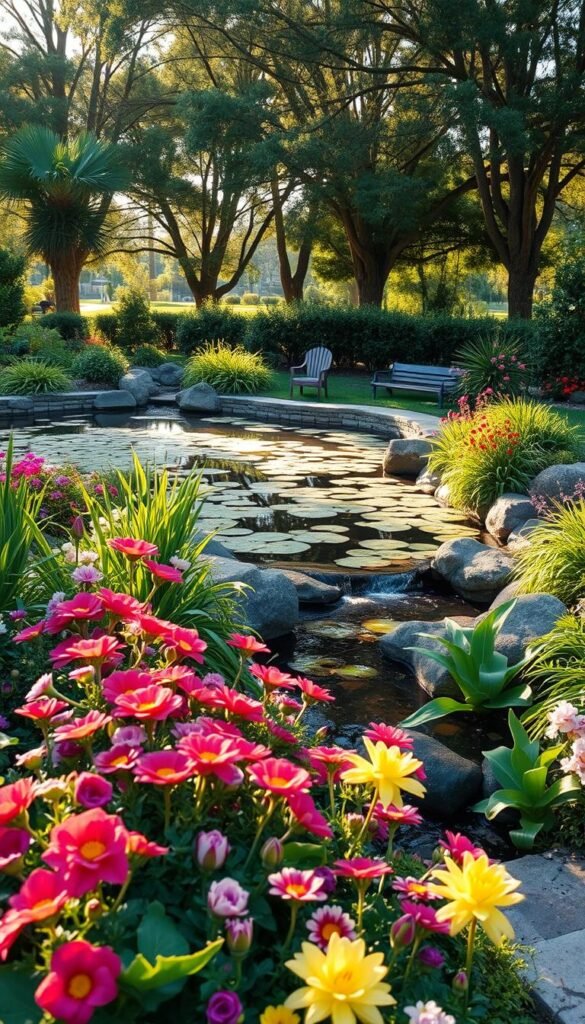
Spring is great for refreshing your garden with new plants. To save money, plant perennials that come back every year. Daylilies, coneflowers, and black-eyed susans are affordable and attract pollinators, making your garden lively.
Choose plants that do well in your local climate to save on maintenance and water. Spring is also a good time to add mulch to your garden beds. Mulch keeps moisture in and stops weeds, saving you money.
Fall Projects to Prepare for Winter
As fall comes, it's key to get your garden ready for winter. Cleaning up your garden by removing dead plants and debris is a cost-effective project. It makes your outdoor space look better and prevents diseases and pests.
Planting spring-blooming bulbs like tulips and daffodils is another budget-friendly fall project. These bulbs are cheap and add color in the spring. Also, adding compost or leaf mold to your soil improves its structure and fertility, helping your plants in the spring.
By focusing on these seasonal landscaping upgrades, you can keep your outdoor space lively all year without spending too much. Whether it's spring plantings or fall clean-up, there are many ways to improve your landscaping without breaking the bank.
Hiring Professional Help: Is It Worth It?
Landscaping your small backyard can be fun. But, knowing when to call in the experts is key. It's important to weigh DIY landscaping against hiring a pro.
Deciding Between DIY and Professional Help
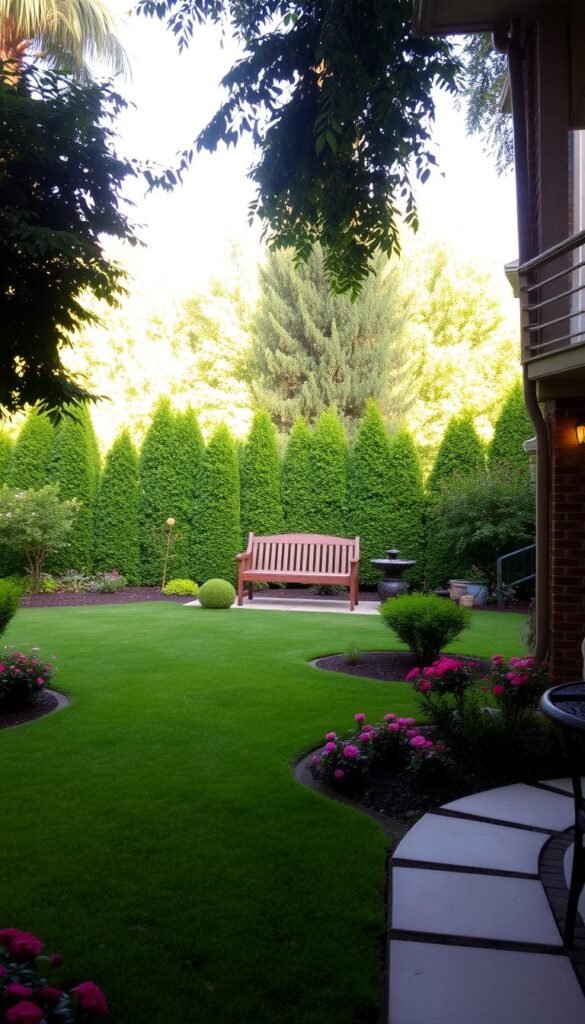
DIY projects can save money and add a personal touch to your small backyard. Yet, some tasks are best left to the pros. For example, complex designs or heavy labor are often cheaper with a pro.
If you're looking to add simple decorations or tackle a small renovation, DIY might be right for you. Think about your skills, budget, and the project's scope before deciding.
Finding Affordable Landscaping Services
If you choose to hire a pro, finding affordable services is essential. Start by researching local landscapers and asking friends or family for referrals.
When looking at landscapers, make sure to:
- Get multiple quotes to compare prices
- Check online reviews and ratings
- Verify licenses and certifications
By doing your homework, you can find a reliable and affordable service. This will help you achieve your outdoor goals.
Whether you DIY or hire a pro, the goal is to create a beautiful outdoor space. One that you can enjoy for years to come!
Maintaining Your Landscape for Long-Term Savings
Keeping your landscape in good shape is key to enjoying your outdoor space and saving money. Regular maintenance helps avoid expensive repairs and keeps your area looking great. Whether it's a hydrangea garden or a simple garden, a bit of care makes a big difference.
Tips for Regular Maintenance
For a thriving landscape, focus on pruning, watering, and fertilizing. Check your plants often for diseases or pests and act fast to stop damage. Make sure hydrangeas get the right care to grow well.
Seasonal Checklists for Landscape Care
Make a seasonal checklist to keep up with maintenance. In spring, prune and fertilize. Summer is for watering and deadheading. Fall is for cleaning up and winter prep. Following a seasonal plan helps you enjoy your space and avoid costly fixes.