Ever wondered how to care for Peace Lily plants? This guide is your top resource. They're loved for their elegant white blooms and ability to purify the air. They're perfect for indoor gardening.
Whether you're new to plants or looking to improve your care, I've got you covered. I'll share simple steps to keep your Peace Lily happy and healthy.
With proper care, these plants can live for years. This guide will teach you about light, water, and how to fix common problems. Let's get started so you can enjoy a beautiful, thriving Peace Lily.
Introduction to Peace Lilies
Meet the Peace Lily (Spathiphyllum), a plant known for its elegant white blooms and shiny green leaves. It's often called a "peace plant." But, it's not a true lily; it's part of the Araceae family. These plants are easy to care for and symbolize peace and purity, making them great for brightening up homes.
What is a Peace Lily?
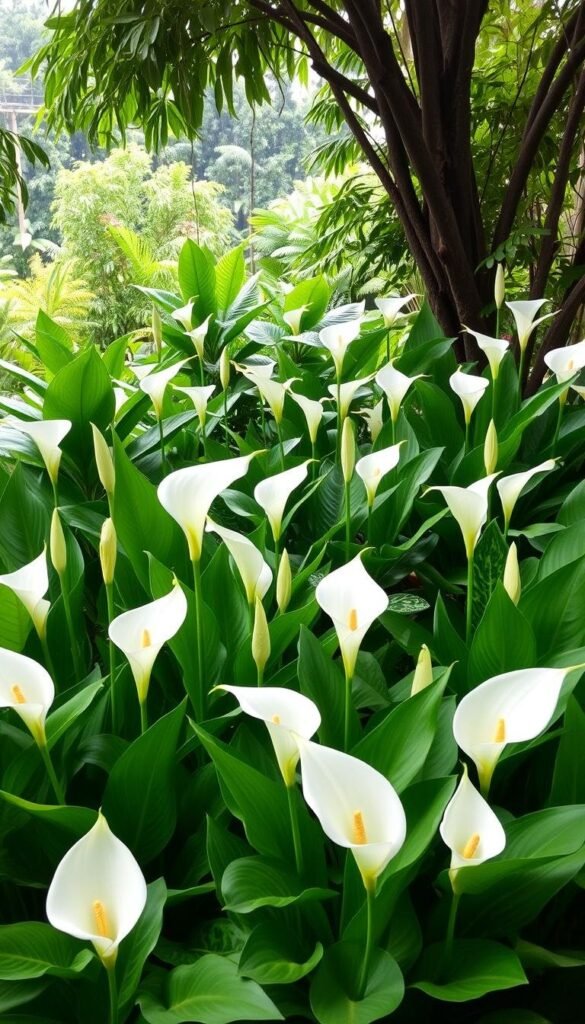
Peace Lilies are loved for their white spathes—modified leaves that look like flowers. They stand out against dark green leaves. They can grow well in low light and help clean the air, making them a favorite for indoor gardens. Plus, they're safe for homes with pets or kids, which adds to their appeal.
Common Varieties and Their Features
Choosing the right variety is key to a happy Peace Lily. Here's a quick guide:
- Petite: Compact size (1-2 ft tall), perfect for small spaces like desks or shelves.
- Mauna Loa Supreme: Large blooms and sturdy stems, great for making a statement in living rooms.
- Domino: Striking variegated leaves with cream or white patterns, adding vibrant contrast to any room.
Each variety has its own care needs, but they all share basic Peace Lily care tips. Make sure to research your variety's specific light and water needs for healthy growth.
Ideal Growing Conditions for Peace Lilies
To grow Peace Lilies well, know their tropical roots. They love light that's not too harsh, warm temperatures, and moist air. Here's how to make your home a perfect match.
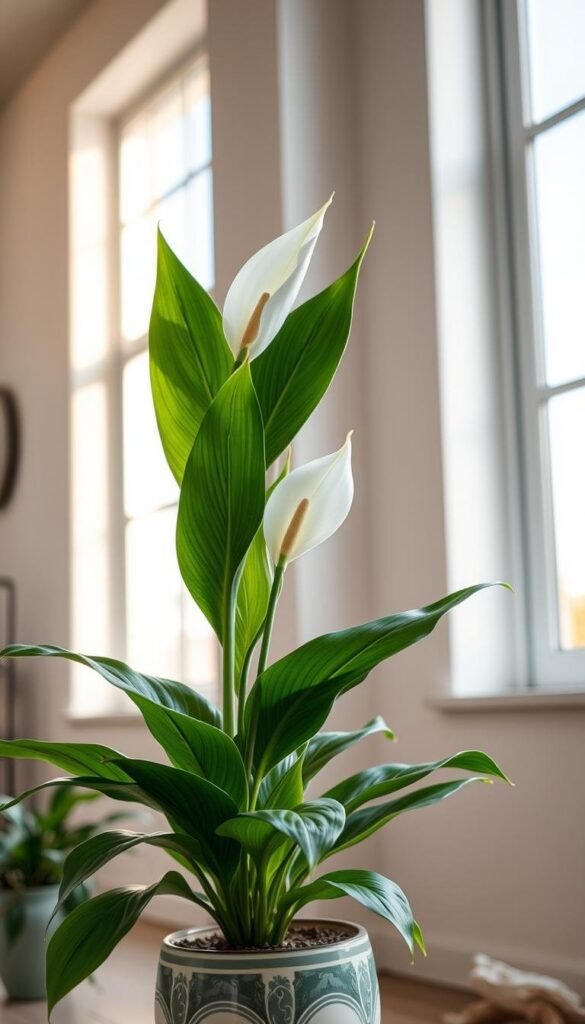
Light Requirements
Peace Lilies need bright indirect light. Position them near windows that face north or east. Or, use curtains to soften the sun. Direct sun can burn their leaves. They can handle dimmer light but might not bloom as much.
- Optimal: 6–8 hours of indirect light daily
- Avoid noon sun exposure
- Low-light areas reduce flowering but won't harm foliage
Temperature Preferences
They love steady warmth between 65–85°F (18–29°C). Keep them away from cold spots like heating vents or drafty areas. A sudden drop below 55°F can cause leaves to fall off.
- 65–85°F (18–29°C) ideal
- Move away from windows in winter
- Avoid placing near AC units
Humidity Levels
Humidity is key for their shiny leaves. Aim for 50–60% humidity. Use pebble trays, place near bathrooms, or run a humidifier. Misting once a week helps in dry places.
- 50–60% humidity preferred
- Use pebble trays or humidifiers
- Bathroom or kitchen placement boosts natural moisture
| Condition | Optimal Range | Maintenance Tips |
|---|---|---|
| Light | Bright indirect light | Diffuse with curtains; avoid noon sun |
| Temperature | 65–85°F (18–29°C) | Keep away from drafts and extreme temps |
| Humidity | 50–60% | Pebble trays, misting, or humidifier use |
Watering Your Peace Lily
The Peace Lily watering guide is simple: watch the soil. I've learned that plants do best when I don't stick to a strict schedule. They tell you when they need water by bending their leaves. But they quickly perk up after a good soaking.
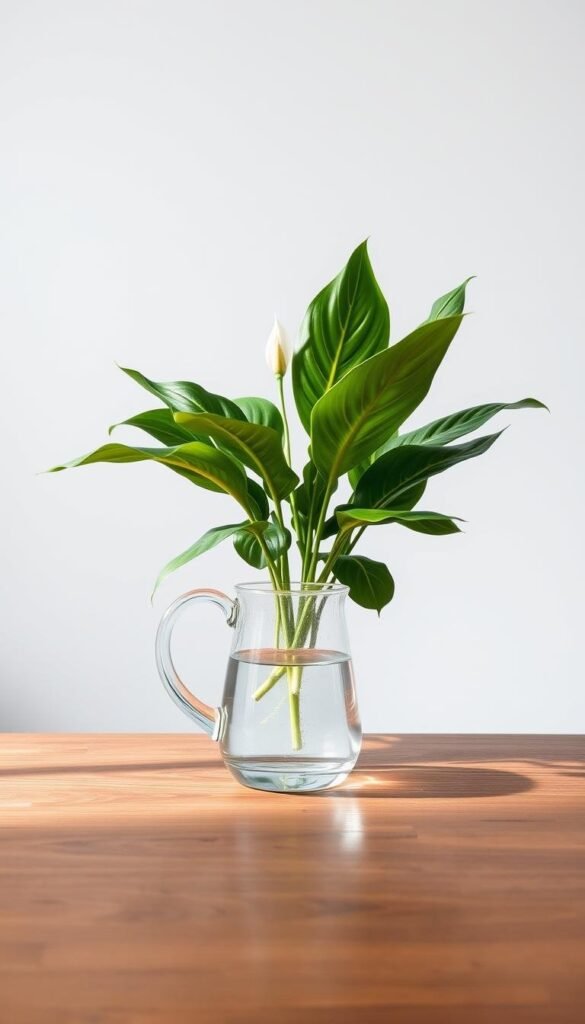
“They’re like living moisture detectors,” I realized after years of trial and error. “Just check the soil!”
How Often Should You Water?
Here's what you need to know for the Peace Lily watering guide:
- Stick your finger into the soil up to the first knuckle
- Water only when the top inch feels dry
- Drain excess water to prevent root rot
Signs of Overwatering
Don't ignore these warning signs:
- Yellow leaves at the base
- Foul odor from the pot
- Soft, translucent stems
Signs of Underwatering
Look out for these signs of drought:
- Leathery leaves
- Browning leaf tips
- Permanent curling even after watering
Tap water can harm your plant's leaves. I use filtered water to avoid this. Adjust your Peace Lily watering guide for the seasons. A simple routine keeps your plant happy and in bloom all year.
Soil and Fertilization for Peace Lilies
Learning how to care for Peace Lily plants starts with soil and nutrients. The right soil mix and feeding ensure your plant grows well. Let's explore the key points to keep your plant happy.
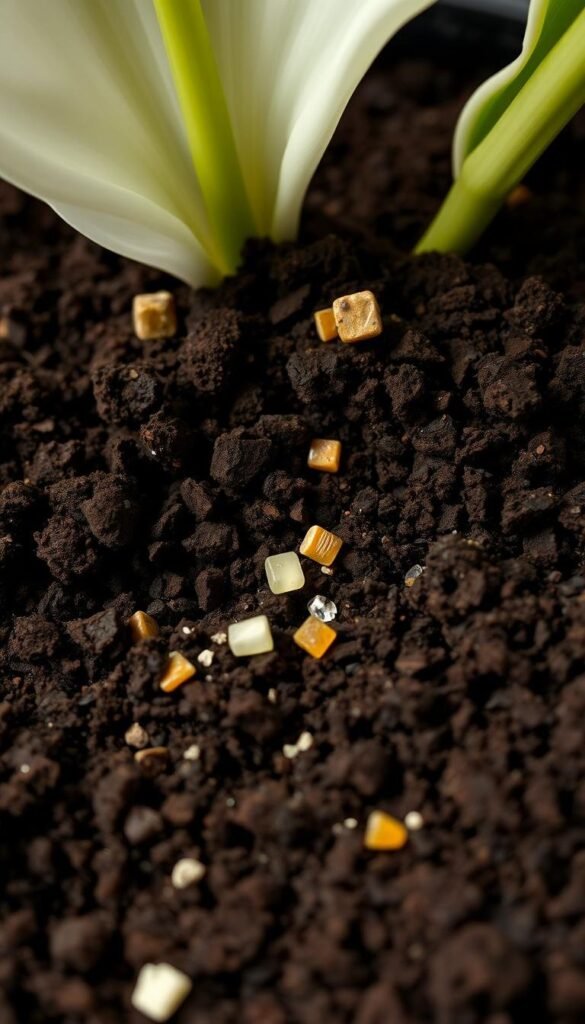
Best Soil Mix for Peace Lilies
A well-draining mix is key to avoid root rot. Here's a good mix:
- 2 parts premium potting soil
- 1 part peat moss for moisture retention
- 1 part perlite for airflow
Keep the pH slightly acidic, between 6.0-6.5. Use test kits from garden stores to check pH levels. Heavy soils that hold too much water are a common mistake.
When and How to Fertilize
Peace Lilies don't need a lot of food, but they do like regular, light feedings. Here's how to do it:
- Fertilize monthly from spring to early fall with a balanced liquid fertilizer (like 10-10-10).
- Use half the package’s recommended strength to prevent burn.
- Skip feeding in winter when growth slows.
Always water the soil before adding fertilizer. Dry soil can absorb nutrients unevenly, causing root damage. Don't over-fertilize—less is more with these plants.
Pruning and Propagating Peace Lilies
Learning Peace Lily pruning advice keeps your plant healthy and lively. It's not just about watering. It's also about shaping and growing your collection. Let's dive into pruning and propagating for a thriving plant.
When to Prune Your Peace Lily
Timing is key. Peace Lily pruning advice begins with knowing when to prune. Remove dead or yellow leaves right away. Cut wilted flowers close to the stem base to focus on new growth. Thin overgrown plants every 6–12 months to keep them compact.
- Dead flowers: Cut at the stem base with clean shears.
- Yellow leaves: Trim at the soil line to avoid stressing the plant.
- Overgrowth: Thin every year to prevent leggy growth.
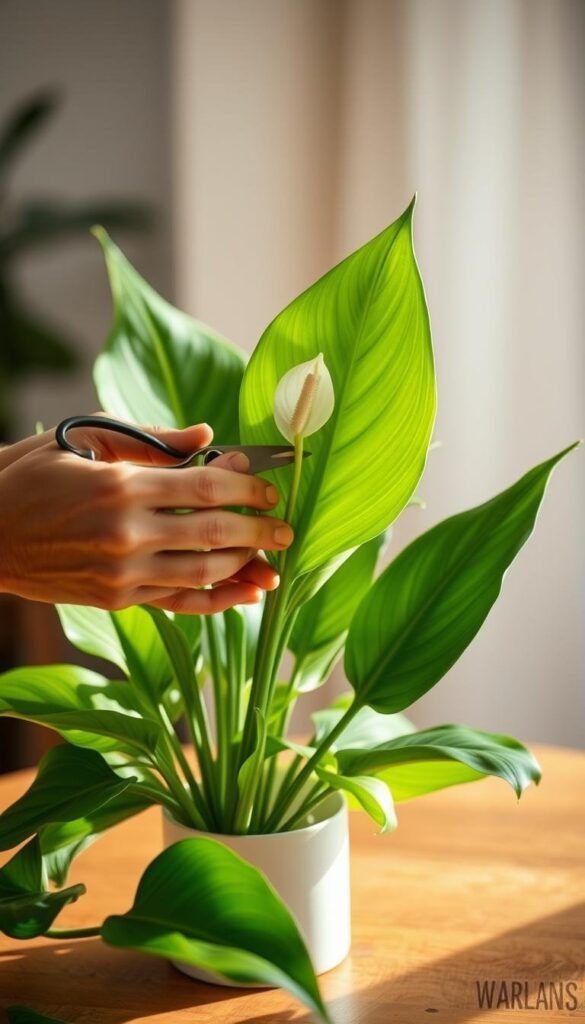
Step-by-Step Propagation Guide
Propagation through division is easy. When repotting, split offsets with their own roots. Use clean hands or tools to separate the rhizome. Plant each division in fresh soil, water lightly, and keep in indirect light. New growth will show in 4–6 weeks.
“Sterilize tools with rubbing alcohol before cuts to prevent disease.”
By following these steps, your Peace Lily will grow easily. Pruning keeps it neat, while propagation lets you share it with others. Both steps require patience and sharp tools. Your plant will thank you with lush leaves and fresh flowers.
Common Pests and Diseases
Peace Lily common problems often start with pests or diseases. Early detection helps protect your plant’s health. Keep reading to spot issues before they spread.
Identifying Common Pests
Pests like these can weaken your plant:
| Pest | Appearance | Damage Signs | Treatment |
|---|---|---|---|
| Spider Mites | Tiny spiders | Yellow speckles, webbing | Neem oil spray, isolate the plant |
| Mealybugs | Cotton-like clusters | Sticky residue, wilting | Alcohol swabs, insecticidal soap |
| Aphids | Small soft bodies | Curling leaves, sticky sap | Water spray, insecticidal soap |
| Scale Insects | Brown bumps on stems | Yellow leaves, sooty mold | Alcohol + horticultural oil |
Watch for diseases like leaf spot (brown spots), fungal growth), remove affected leaves) or root rot (yellow leaves, mushy stems—repot in fresh soil). Powdery mildew (white coating on leaves) needs fungicide and better airflow.
Preventative Measures for Healthy Plants
- Weekly inspections under leaves and stems.
- Use room-temperature water to avoid shock.
- Ensure airflow with spacing from other plants.
- Quarantine new plants for two weeks before adding to your collection.
I recommend checking soil moisture weekly to prevent root rot and wiping leaves with a damp cloth to deter pests. A little vigilance keeps Peace Lily common problems at bay.
Repotting Your Peace Lily
Knowing when and how to repot your Peace Lily is key to its health. Here’s how to avoid common mistakes and keep your plant happy.
When to Repot
Look for these signs your Peace Lily needs a bigger pot:
- Roots poking through drainage holes
- Soil dries out in 1-2 days instead of a week
- Yellow leaves despite proper care
- Top-heavy growth tipping the pot
How to Repot Successfully
Follow these steps for smooth Peace Lily repotting instructions:
- Pick a pot 1-2 inches wider in diameter than the current one.
- Mix peat moss with perlite for well-draining soil.
- Gently tip the plant out of its pot, loosening roots carefully.
- Trim dead roots with clean shears before placing in new soil.
- Fill gaps around roots with fresh mix, pressing gently.
- Water thoroughly until liquid drains from the bottom.
After repotting, place in indirect light for 2-3 weeks. Avoid fertilizing for one month to let roots settle. Proper Peace Lily repotting instructions mean less stress for you and the plant!
Seasonal Care for Peace Lilies
My Peace Lily does best when I adjust its care with the seasons. I change my routine for each season to keep its leaves green and blooms bright.
Care Tips for Each Season
| Season | Watering | Light | Fertilizer | Notes |
|---|---|---|---|---|
| Spring | Increase frequency as growth resumes | Bright indirect light | Monthly diluted feed | Watch for new shoots |
| Summer | Check soil daily in heatwaves | Filter harsh midday sun | Half-strength every 6-8 weeks | Mist leaves to boost humidity |
| Fall | Gradually reduce frequency | Move to east-facing windows | Stop feeding in late autumn | Trim yellowing leaves |
| Winter | Water every 2-3 weeks | Avoid direct drafts | No fertilizer | Use room-temperature water |
Adjustments for Summer and Winter
In summer, I keep my plant away from direct sun. I also use a humidity tray and check the soil often. For winter, I move it away from cold windows. Here’s how I handle the extremes:
- Summer: Move to north-facing spots to avoid leaf burn
- Winter: Wrap roots in a frost-free spot if near windows
These changes help my Peace Lily stay healthy all year. Small adjustments make a big difference.
Boosting Blooming in Peace Lilies
Seeing a Peace Lily bloom is a joy for gardeners. Here's how to make your plant bloom beautifully:
Conditions for Flowering
Light is key. Peace Lilies do well in low light but need medium to bright indirect light to bloom. Place them near east- or north-facing windows for the best results. Don't put them in direct sun to avoid leaf burn.
Encouraging More Blooms
- Age matters: Plants need to be at least two years old to bloom. Younger plants focus on growing leaves first.
- Feed wisely: Use a fertilizer with more phosphorus (the middle number in NPK ratios) every six weeks when they're growing. A 10-20-10 mix is good.
- Keep it warm: Keep the temperature between 65–85°F (18–29°C). Cold drafts can stop blooms.
| Factor | Ideal Condition | Tip |
|---|---|---|
| Light | Medium indirect light | Rotate the plant monthly for even growth |
| Age | 2+ years old | Patience is key—blooms won’t appear on young plants |
| Fertilizer | Phosphorus-rich formula | Reduce nitrogen during blooming phases |
If your plant won't bloom, check if it's too crowded. Root-bound plants might need a bigger pot. To sum up: right light, mature age, and the correct nutrients are essential. Follow these tips, and your Peace Lily will bloom beautifully all season.
Troubleshooting Peace Lily Issues
Even with the best care, Peace Lily common problems can pop up. I’ve seen many gardeners face these issues, but here’s how to tackle them fast. Spot signs early to keep your plant thriving.
Leaf Discoloration Problems
Leaf issues often signal hidden care issues. Here’s how to fix them:
- Yellowing leaves: Overwatering or poor light. Let soil dry and ensure bright, indirect light.
- Brown spots: Fungal infections or sunburn. Trim damaged areas and boost airflow.
- Brown tips/edges: Dry air or mineral buildup. Mist leaves and use filtered water.
- Blackened leaves: Cold damage or root rot. Move to a warmer spot and improve drainage.
Drooping Plants and Their Causes
Wiltinged stems need urgent care. Address these causes quickly:
- Overwateringing: Root rot is a major culprit. Let soil dry between waterings.
- Temperature stress: Avoid drafts or heaters. Keep it between 65-85°F (18-29°C).
- Transplant shock: After repotting, avoid moving the plant suddenly. Let it adjust slowly.
- Pest infestations: Check for webs or sticky residue. Wipe leaves with soapy water weekly.
Flower discoloration or slow growth? Adjust feeding schedules or test soil pH. Peace Lily common problems are solvable with close monitoring and quick fixes.
Conclusion: Enjoy the Beauty of Your Peace Lily
Growing a Peace Lily is a rewarding journey. It requires routine care and attention. Every step, from adjusting light to checking moisture, helps it grow lush.
Even small changes can make a big difference. I've seen a struggling plant become a vibrant centerpiece with just a few tweaks.
Final Care Tips for Longevity
Follow the basics to care for your Peace Lily. Let the soil dry a bit between waterings. Keep it away from cold drafts.
Check for yellow leaves or pests weekly. A well-cared-for plant can bloom for years. It needs indirect light and consistent care.
Celebrating Your Peace Lily's Growth
Look for new spears and creamy white spathes. These signs show your hard work is paying off. Peace Lilies prefer stability, so avoid sudden changes.
Their glossy leaves brighten any space. They also purify the air by removing toxins. This adds purpose to their beauty.
FAQ
How do I care for my Peace Lily?
Taking care of a Peace Lily is easy. Make sure it gets bright, indirect light. Water it when the top inch of soil is dry. Keep the temperature between 65-85°F.
Wipe the leaves often to keep them clean. This helps the plant stay healthy.
What are the best growing conditions for a Peace Lily?
Peace Lilies love warm, humid places with good drainage. They do best in medium to bright indirect light. Keep the temperature between 65-85°F.
Adding humidity helps them grow better. Use pebble trays or humidifiers for this.
Can you provide a Peace Lily watering guide?
Sure! Water your Peace Lily once a week, or when the top inch of soil is dry. Make sure the pot drains well to avoid root rot.
If you see leaves drooping, it's time to water.
How do I prune my Peace Lily?
Prune your Peace Lily to remove dead or yellow leaves and spent flowers. Use clean, sharp scissors. Cut at the base of the leaf or flower stalk.
Prune in the spring to encourage new growth.
What are common problems with Peace Lilies?
Common problems include yellow leaves (often from too much water or direct light), droopy leaves (from not enough water), and pests like spider mites. Check your plant often to catch problems early.
When is the right time to repot my Peace Lily?
Repot when your Peace Lily outgrows its pot. Look for roots coming out of the drainage holes or if the plant looks too crowded. Repot every 1-2 years or as needed.
Use fresh potting mix to help it grow well.