Snake Plants, also known as Sansevieria trifasciata, are a top choice for plant lovers across the US. These air purifying plants bring style and substance to any space. Their bold upright leaves add instant visual interest without demanding constant attention.
I’ve seen firsthand how these tough yet elegant plants transform homes. My own Snake Plants clean the air by removing toxins like formaldehyde. Their sleek design blends perfectly with modern and minimalist decor. Even in my busiest weeks, they thrive with minimal care—making them perfect for both new plant parents and seasoned gardeners alike.
What is a Snake Plant?
Snake Plants, or Sansevieria, are hardy houseplants with a long history. They come from places like Nigeria and Congo. These plants can handle tough conditions easily.
Their leaves are bold and upright, often green. They are also known as "Mother-in-Law’s Tongue" and "Viper’s Bowstring Hemp."
A Brief Introduction to the Species
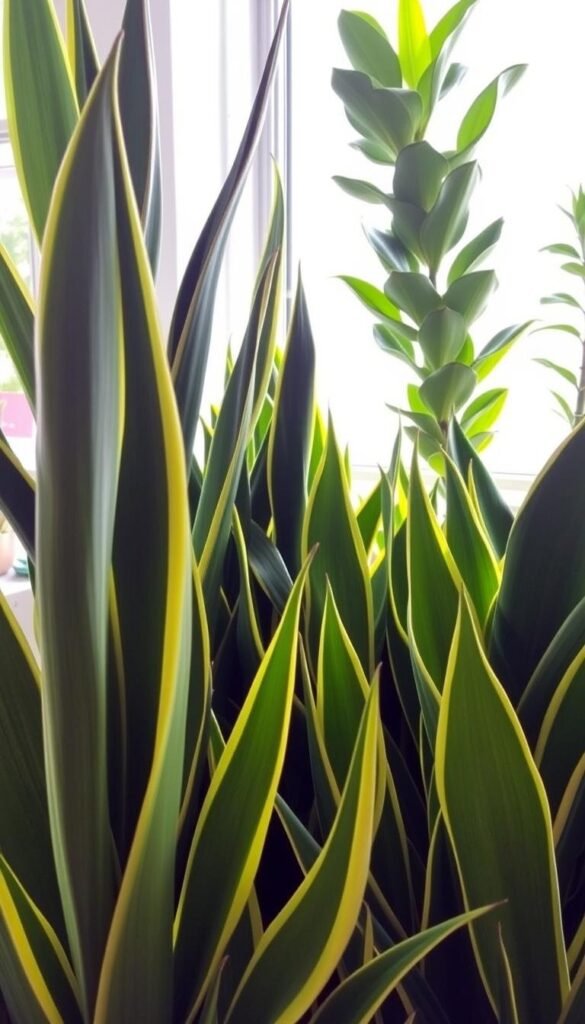
Botanists put Snake Plants in the Sansevieria genus. Their leaves are sword-shaped and can grow 3–6 feet tall. They store water well.
The name "Mother-in-Law’s Tongue" comes from their sharp tips. "Viper’s Bowstring" is from their historical use. These plants have been loved for centuries for their beauty and function.
Varieties of Snake Plants
Check out some popular Snake Plant varieties for your home:
- Sansevieria trifasciata 'Laurentii': Bright yellow edges on dark green leaves.
- 'Hahnii' (Bird’s Nest): Perfect for small spaces with compact rosettes.
- 'Cylindrica' (African Spear): Unique cylindrical leaves for a modern look.
- 'Black Gold': Standout choice with silvery streaks on almost black foliage.
I've grown 'Laurentii' and 'Hahnii' myself. They're great for both beginners and experienced gardeners.
The Benefits of Snake Plants
As someone who’s cared for multiple snake plants, I’ve seen their benefits. They are more than just greenery. They are functional, stylish, and surprisingly tough.
Air-Purifying Qualities
The air purifying plant reputation is real. NASA’s Clean Air Study showed snake plants remove toxins like formaldehyde and benzene. They release oxygen at night, making them perfect for bedrooms. Cleaner air while you sleep? No fancy gadgets needed.
Aesthetic Appeal in Home Decor
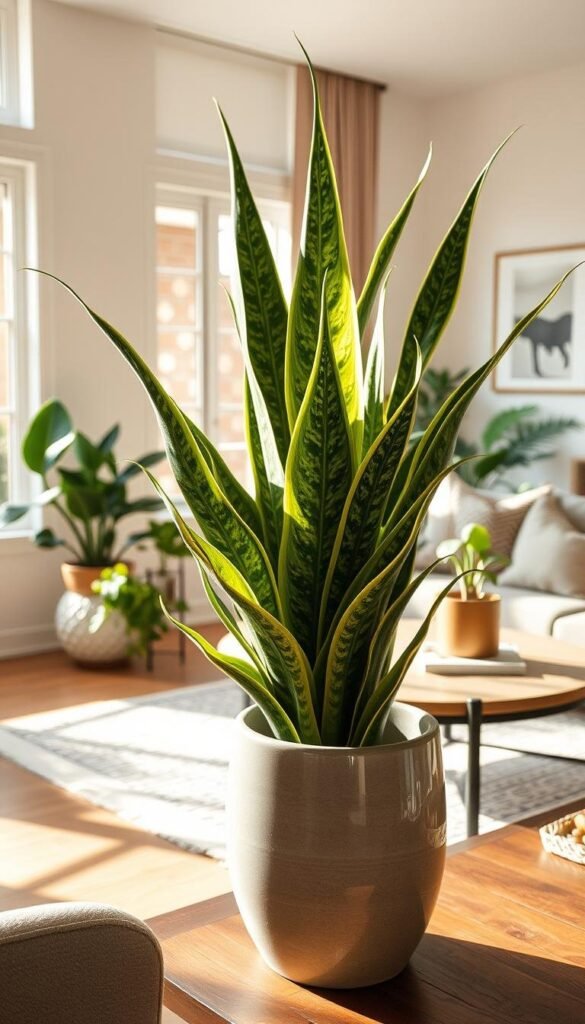
Snake plants add instant style with their sleek leaves. I’ve paired them with minimalist shelves, boho macramé hangers, and industrial concrete pots. They fit anywhere, from sunlit kitchens to dim corners. Group them for a bold statement.
Low Maintenance Requirements
They thrive on neglect. I left one unwatered for months during trips, and it bounced back. Overwatering is their only foe. They tolerate low light and dry soil, making them perfect for busy lives. No green thumb? No problem—they’re the ultimate forgive-me plant.
Ideal Conditions for Growing Snake Plants
Creating the right environment unlocks the full Snake Plant care. Let’s explore the best conditions for Snake Plant care. This ensures lush, vibrant growth.
Light Requirements
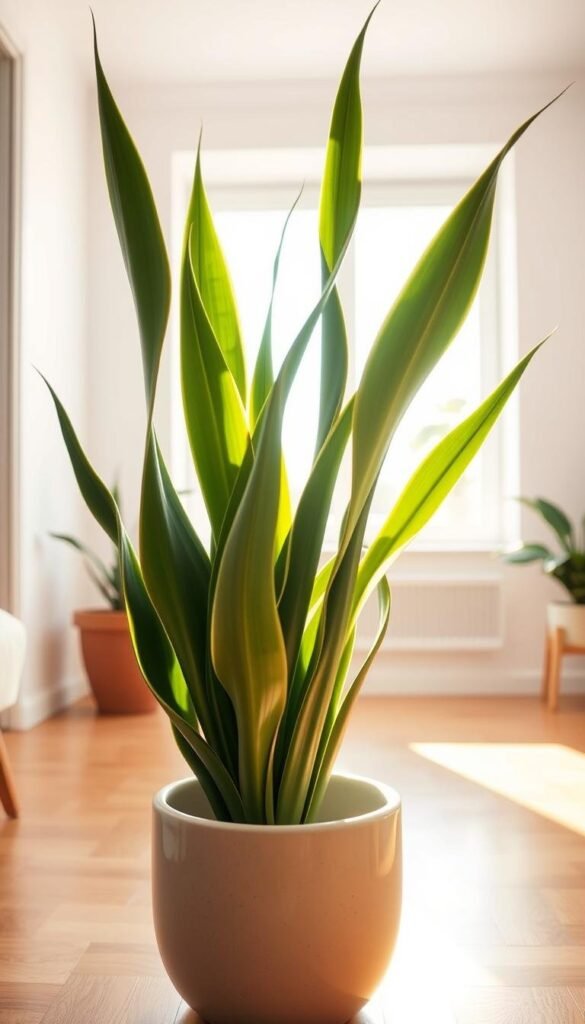
Snake Plants adapt to many light levels. They thrive under indirect bright light. My own plants grow fastest near east or west windows where they catch morning sun.
In darker corners, like a hallway, they survive but grow more slowly. Direct midday sun can scorch leaves. So, filter harsh light with sheer curtains. Rotate your plant monthly to encourage even growth.
Temperature and Humidity Needs
These plants tolerate a wide range. But they prefer 65–85°F (18–29°C). They’ve flourished in my home with central AC, even during dry winters.
Avoid placing near drafty doors or heating vents—they dislike temperatures below 50°F (10°C). A bathroom with indirect heat works well in winter. While summer drafts by windows should be blocked.
My tips: Position away from cold windows in winter. Use room-temperature water when watering. Their flexibility makes them perfect for most American homes.
How to Care for Your Snake Plant
Snake plants are easy to care for. They need simple routines to thrive. Here are my top Snake Plant care tips.
Watering Guidelines
In summer, I water my snake plant every 2-3 weeks. In winter, it's once a month. Before watering, I check the soil's dryness by poking my finger 2 inches deep. If it's dry, it's time to water.
My trick is bottom-watering. I place the pot in a saucer of water for 15 minutes. This lets roots absorb moisture without risking leaf rot. Watch for signs of too much or too little water.
Soil Choices
I mix 50% cactus soil, 30% perlite, and 20% coarse sand for the best drainage. Each part has a purpose:
| Component | Purpose |
|---|---|
| Cactus mix | Prevents waterlogging |
| Perlite | Aids airflow |
| Coarse sand | Enhances drainage |
Always pick pots with drainage holes. Terracotta is my favorite because it wicks away excess moisture.
Fertilization Tips
I fertilize my snake plant 2-3 times a year in spring and summer. I use a diluted balanced (10-10-10) fertilizer. Cutting the dose in half prevents leaf burn.
Common Pests and Problems
Even hardy Snake Plants can face challenges. My Snake Plant care tips highlight early signs of trouble. Here’s what I’ve learned to keep my plants thriving.
Identifying Pests
Watch for these warning signs:
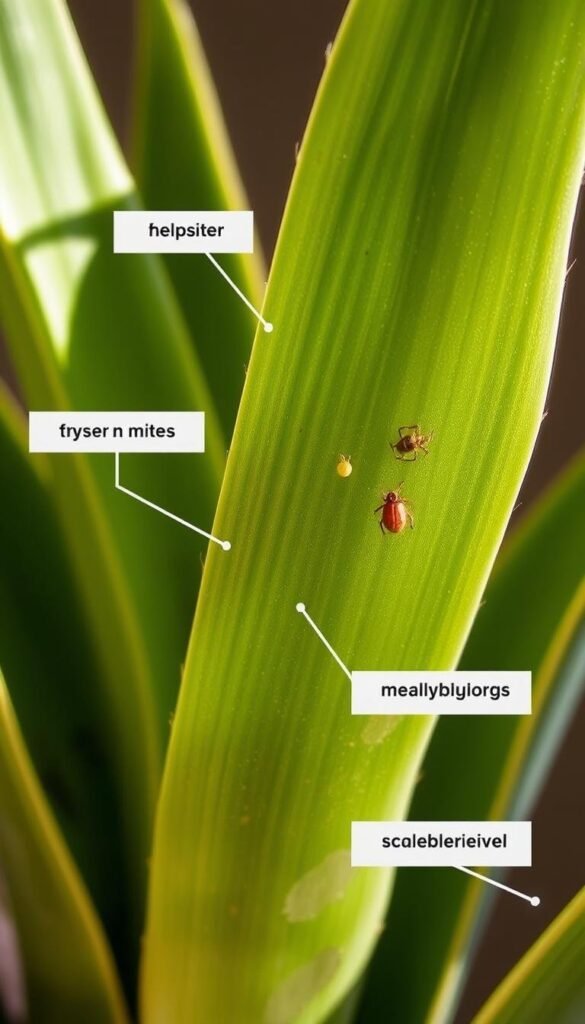
- Mealybugs: White cottony clumps on leaf joints.
- Spider mites: Fine webs and speckled leaves signal their presence.
- Scale insects: Small brown bumps that stick to stems.
- Root rot: Yellow leaves and soggy soil from overwatering.
Prevention and Treatment
My routine starts with these steps:
- Inspect plants weekly, flipping leaves to check undersides.
- Let soil dry completely between waterings.
- Wipe leaves monthly with a damp cloth.
For infestations:
- Isolate the plant first.
- Use a cotton swab dipped in isopropyl alcohol to wipe pests off.
- Neem oil sprays weekly for persistent cases.
Brown tips? They point to dry air or fluoride in tap water. Mist leaves or switch to filtered water to fix this. Always prioritize natural solutions—they’re safer around pets and kids!
Propagating Snake Plants
It's easy to grow more of these tough plants. Snake Plant propagation lets you make more plants from one. This is great for sharing or adding more green to your home. Let's explore two ways I've found to work well.
Leaf Cuttings Method
Begin by cutting healthy leaves into 3–4 inch pieces. Let the cut ends dry for a day to form a callus. Then, put the cuttings in moist soil or water.
For soil, make sure the bottom end goes in first. Check water cuttings every week. Roots should show in 3–4 weeks. Soil cuttings might take longer but grow stronger.
I suggest using rooting hormone powder to help them grow better.
Dividing Root Balls
When your plants get too big, shake off the soil to see the rhizomes. Use a knife to split the clumps, making sure each part has roots and a new growth. Let the cuts dry before planting in new soil.
This method makes plants look mature faster than leaf cuttings. A tip: Keep new plants 5–10 degrees warmer than the main plant.
“Always check the root health before dividing—rotting roots mean it’s time to act!”
Propagation is not just useful—it's also fulfilling. With a little patience and these steps, you'll have new plants to enjoy or share.
Snake Plants in Interior Design
Snake Plants are more than just houseplants—they're design heroes. Their sleek, upright forms fit any style, from simple to bohemian. They're perfect for modern homes, adding greenery without needing constant care.
Popular Design Trends
Interior designers adore Snake Plants for their unique look. They work well in minimalist spaces or add flair in tropical settings. “Snake Plants are the ultimate multitaskers—they clean the air and serve as statement pieces,” says Clara Green.
Their flexibility is great in Scandinavian styles, where simplicity meets neutral colors.
Incorporating Snake Plants into Various Spaces
- Tall varieties like ‘Sansevieria cylindrica’ make bold vertical statements in empty corners.
- Compact Snake Plants like ‘Hahnii’ fit tiny spots—try a coffee table or shelf vignette.
- Pair them with modern ceramic pots for a crisp look or vintage brass containers for a boho vibe.
I've used them to naturally divide spaces—grouping large plants creates soft room dividers. Safety first: keep pointed leaves away from high-traffic zones, even in homes with kids.
Snake Plants for Beginners
Starting my plant journey, I was worried about failing with my first low maintenance indoor plant. Snake plants made me feel better—they're great for beginners. Here's what I wish I knew at the start.
Starting with Your First Plant
Look for a healthy plant with upright, firm leaves. Stay away from ones with yellow edges or soft spots. The Sansevieria Laurentii is a good choice for beginners. It has bold yellow stripes and is very hardy.
Choose a pot that's 1-2 inches wider than the plant's root ball. Transplanting is simple: just gently remove the plant, shake off extra soil, and put it in fresh, draining mix.
Essential Care Tips
My biggest mistake was overwatering. Here's how to avoid it:
- Water only when the top 2 inches of soil are dry. This might be every 2-6 weeks, depending on your climate.
- Use your finger to check soil moisture instead of guessing.
- Yellow leaves mean you've watered too much. Brown tips indicate too little water or low humidity.
“Snake plants teach patience—they’ll bounce back even if you miss a watering or two.”
These low maintenance indoor plants love being ignored. If leaves droop, they need more light. Move them to a brighter spot. If you're unsure, wait a week and check again. Their forgiving nature is perfect for building confidence. Start small, stay curious, and watch your plant grow!
Myths and Misconceptions about Snake Plants
As someone who’s cared for Snake Plants for over a decade, I’ve heard plenty of myths. Let’s clear them up. Here’s what you really need to know:
Debunking Common Myths
- Myth 1: They never need water. Snake Plants do need watering—just less often than most plants. Let soil dry completely before rewatering.
- Myth 2: Small pots are best. Their rhizomatous growth habits thrive when roots have space. Crowding can stress them.
- Myth 3: They never flower. Rarely, but they can bloom with fragrant greenish-white flowers when conditions align.
- Myth 4: Repot yearly. They prefer being root-bound. Only repot every 2-3 years when growth slows.
Facts You Should Know
Here’s what sets Snake Plants apart:
- Slow but steady growth. Most growth peaks in summer, but Snake Plant growth habits stay consistent over years.
- Size Some varieties reach 3-4 feet indoors with proper care.
- Longevity. My oldest plant is 12 years old and thriving!
- Toxicity note. While mildly toxic to pets, I’ve managed mine safely by keeping them out of reach.
Snake Plants are symbols of good luck in many cultures—proof they’re more than just houseplants.
Conclusion: Why Choose a Snake Plant?
My journey with Snake Plants has shown me why they’re a must-have for any home. These plants don’t just add greenery—they work quietly to improve air quality while thriving in almost any condition. Let’s explore why they’re a smart choice for your space.
Long-term Benefits for Your Home
Snake Plants keep giving long after the first bloom. Their air-purifying qualities clean indoor spaces, even in poorly ventilated rooms. Their resilience means they adapt to neglect, surviving my forgetful watering schedule and frequent trips. Over time, they save resources—no need for constant replacement.
Choosing a Snake Plant means investing in a sustainable, low-cost way to enhance your living area.
Final Thoughts on Adding Snake Plants to Your Space
Starting with one Snake Plant changed how I view houseplants. From my first small leaf to a mix of varieties, they’ve transformed my home’s vibe. Their sleek look blends with any decor, and their tough nature suits busy lifestyles.
If you’re hesitant, I say start small. A single plant can spark a collection that grows with you. Join others who’ve discovered how Snake Plants balance beauty and function. Your home—and your routine—will thank you.
FAQ
What is a Snake Plant and what are its benefits?
A Snake Plant, also known as Sansevieria trifasciata, is a popular indoor plant. It's known for its striking leaves and low maintenance. It improves air quality, adds beauty to your home, and is very drought-resistant.
How often should I water my Snake Plant?
Water your Snake Plant less than too much. I water mine every 2-3 weeks in summer and once a month in winter. Check if the top inch of soil is dry before watering to avoid root rot.
What are the ideal lighting conditions for a Snake Plant?
Snake Plants do well in indirect bright light. They can handle low light but grow slower. They thrive near a south-facing window or in dimly lit areas.
Are Snake Plants safe for pets?
Snake Plants are mildly toxic if eaten but usually don't cause serious harm. Place them out of reach if you have pets or small children.
What are some common pests that affect Snake Plants?
Snake Plants may get pests like mealybugs, spider mites, and scale insects. Check your plants for white masses or webbing to catch pests early.
How can I propagate my Snake Plant?
You can propagate Snake Plants with leaf cuttings or by dividing the root balls. For leaf cuttings, take 3-4 inch sections, let them callus for a day, then plant them in soil. Dividing root balls is faster and yields mature plants.
Can I fertilize my Snake Plant, and if so, how often?
Yes, you can fertilize your Snake Plant but be careful not to overdo it. Use a diluted balanced fertilizer 2-3 times during the growing season. Water before applying to avoid burning the roots.
What are some popular varieties of Snake Plants?
There are many varieties of Snake Plants, like ‘Laurentii’ with yellow leaf margins, ‘Hahnii’ or Bird's Nest Snake Plant, and ‘Cylindrica’ or African Spear. Each variety has its own charm and growth habits.
How do I know if my Snake Plant is thriving?
A healthy Snake Plant has firm, upright leaves without browning or wilting. If it's growing steadily and showing new leaves, it's happy!
Do Snake Plants produce flowers?
Yes, Snake Plants can produce flowers, which are long, slender spikes with fragrant greenish-white blooms. This is rare, but I've seen it happen a few times in my home.