Winter is fading, and early spring flowers are starting to bloom. These colorful blooms are nature's way of welcoming the new season. They turn dull landscapes into vibrant displays of color.
Whether you're an experienced gardener or new to it, finding the right early spring flowers is key. They can make your garden a beautiful and lively place.
This guide will show you how flowers like crocus and daffodils can brighten your garden. You'll learn which ones do well in your area and how to plant them. Every tip here will help make your garden stunning and good for local pollinators.
Why Choose Early Spring Flowers for Your Garden?
As winter fades, early spring flowers turn bare landscapes into vibrant displays of color and life. These plants are more than just pretty blooms—they're strategic additions that boost your garden's health and beauty. Here's why they belong in your outdoor space.
The Benefits of Early Bloomers
- They kickstart the growing season, giving you flowers weeks before summer plants emerge.
- Root systems establish early, giving plants a head start for future seasons.
- Many thrive in cooler soil, reducing summer watering needs.
Enhancing Landscape Aesthetics
Early blooms like crocus and snowdrops contrast beautifully with lingering winter browns. Pairing them with evergreens or stone paths creates dynamic scenes. Follow spring gardening tips to layer colors, ensuring visual appeal even as other plants remain dormant.
Attracting Pollinators Right Away
Bees and butterflies rely on these blooms as their first food source after hibernation. Including best early blooming flowers in your design supports local ecosystems. Native varieties like hepatica or hellebore are effective at drawing beneficial insects.
Popular Early Spring Flower Varieties
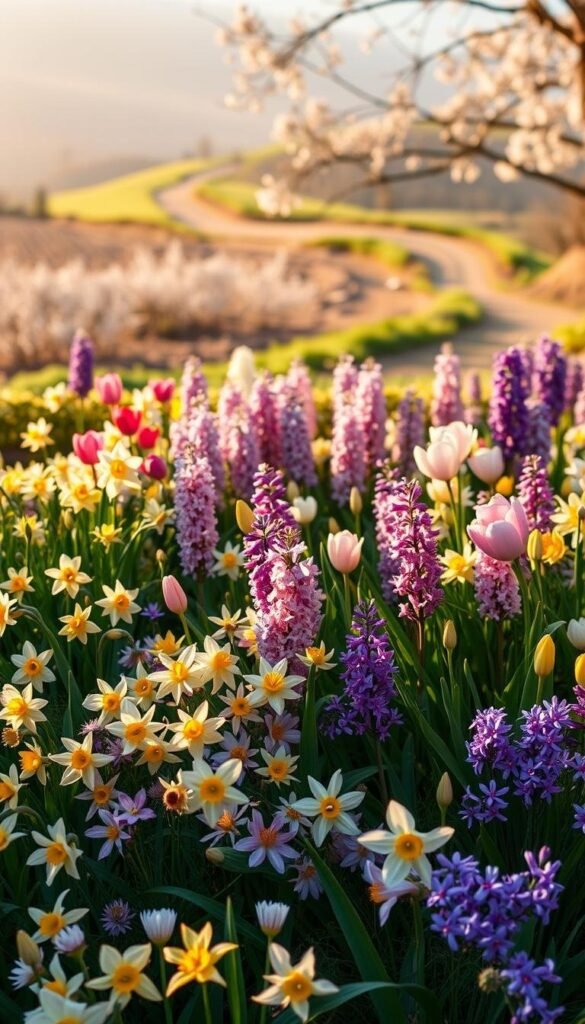
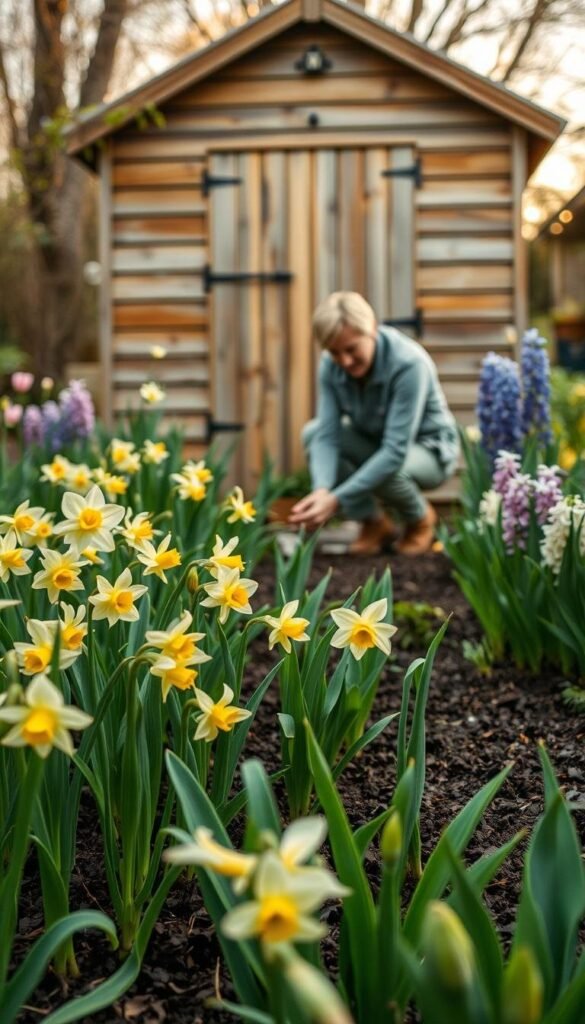
Garden flowers in early spring add color after winter. Three top early spring flower varieties are crocuses, daffodils, and hyacinths. Each adds something special to your garden.
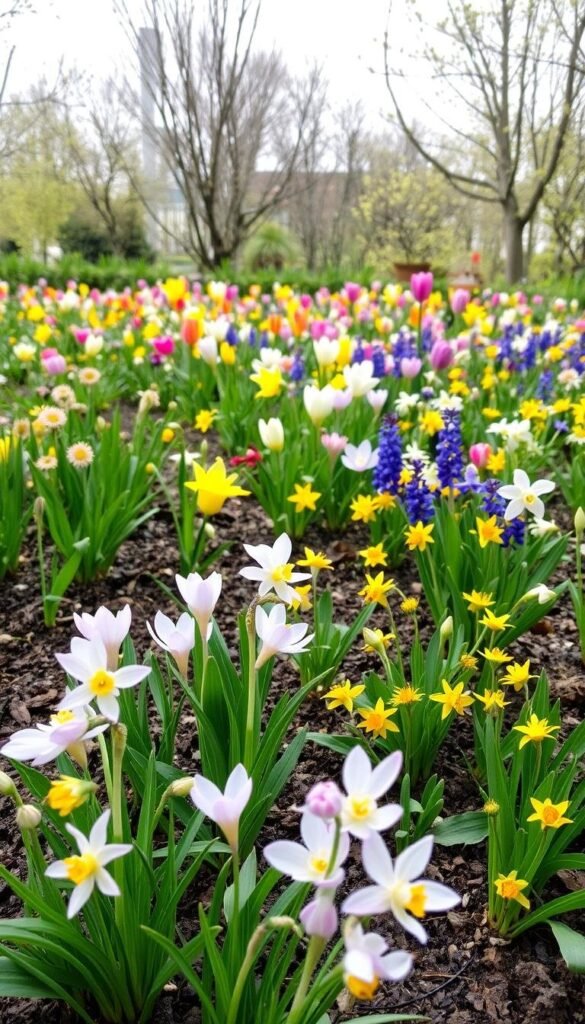
Crocus: The Colorful Harbingers of Spring
These bulbs grow low and bloom as it gets warmer. Crocus vernus has striped patterns, while Crocus chrysanthus is pale yellow. Plant them 3–4 inches deep for a burst of star-shaped petals.
Daffodils: Bright Yellow Poppies of the Season
Daffodils come in many colors, like Narcissus 'Tête-à-Tête' and 'Salome' with apricot hues. They're deer and rabbit resistant. Pair them with perennials like heuchera for a nice contrast.
Hyacinths: Fragrant and Beautiful
Hyacinths have a strong scent and bright colors. 'Blue Jacket' has violet-blue spikes, and 'Delft Blue' has powder-blue clusters. They grow 8–12 inches tall. Plant bulbs 6–8 inches deep for the best smell.
Planning Your Early Spring Flower Garden
Starting a planning an early spring garden means getting ready carefully. Every little thing, like sunlight and soil, affects your flowers. Let's look at the important steps to make your garden bloom.
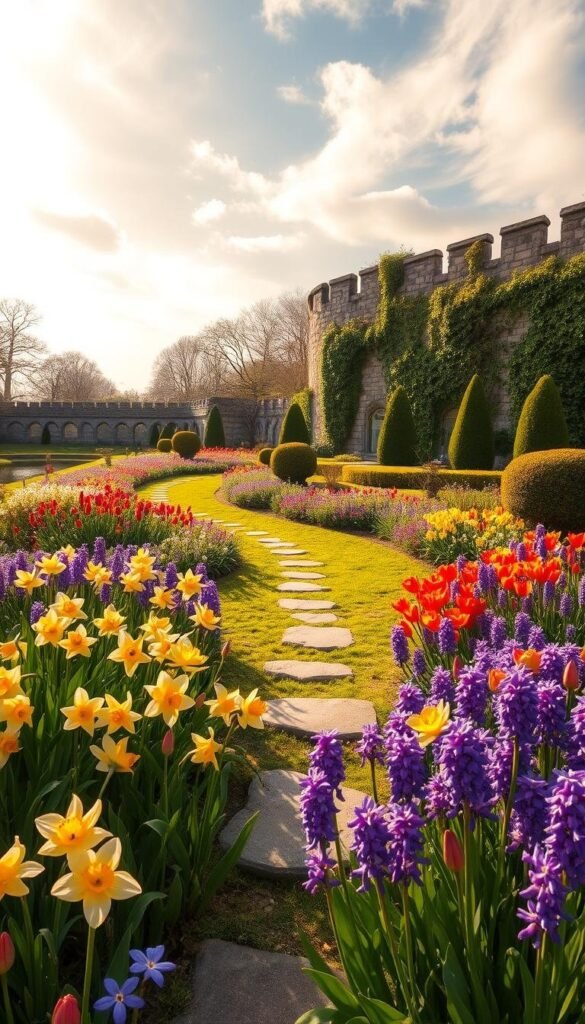
Choosing the Right Location
First, think about sunlight. Most spring flowers need 6+ hours of sun a day. But, some like crocus can handle partial shade under trees. Make sure the area drains well to prevent bulbs from rotting. Place your garden where you can see it from your windows to enjoy the flowers all season.
Soil Preparation Tips
- Test soil pH using a home kit (ideal range: 6.0–7.0)
- Add 2–3 inches of compost or well-rotted manure
- Loosen soil to 12 inches deep for bulb planting
Designing a Vibrant Layout
Use spring flower garden design tips to make your garden pop. Mix early bloomers like snowdrops with later daffodils for color all season. Add structure with stone paths or garden art. Here are some ideas:
- Naturalize bulbs in lawns for wildflower effects
- Cluster containers with tulips near entryways
- Layer heights: tall hyacinths in back, shorter crocus in front
Best Companion Plants for Early Spring Flowers
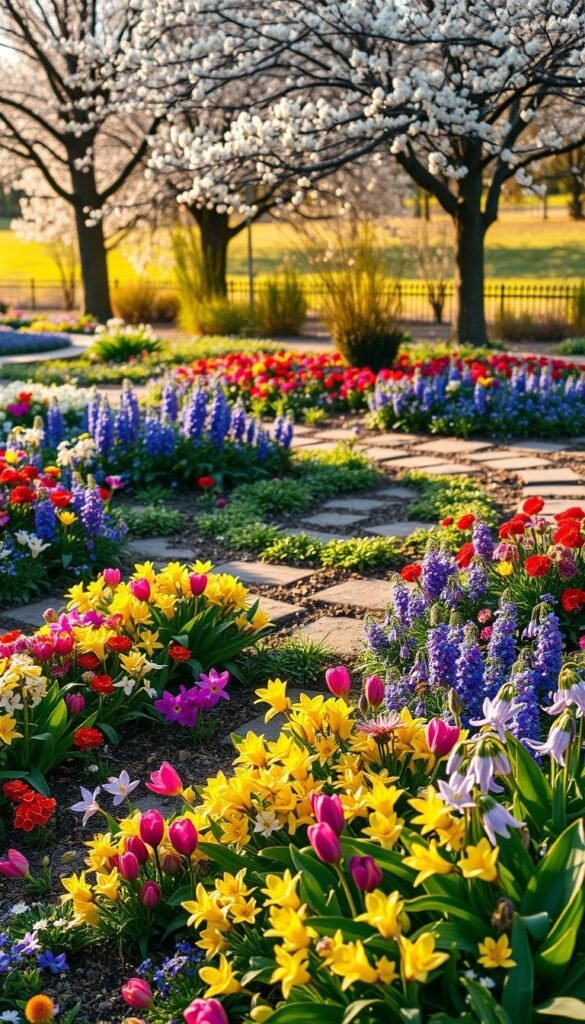
Choosing the right plants to go with early spring flowers can make your garden look amazing all year. Plants like hellebores and pulmonaria bloom at the same time as daffodils or crocus. They keep your garden colorful longer. Plus, their leaves hide the bulb leaves when the flowers are gone.
Pairing with Perennials
Perennials are great friends for spring bulbs. Here are some good matches:
- Hellebores for their white or purple flowers that look good with yellow daffodils
- Pulmonaria, whose leaves with spots look great with bright tulips
- Hostas and ferns to fill in when bulb leaves die back
Suitable Annuals for Seasonal Blooms
Annuals likepansiesandviolaslove the cool soil of spring. Plant them among bulbs for a quick cover. Forget-me-nots (Myosotis) add a soft blue that looks nice with pastel tulips.
Creating Color Harmony
Here are some color tips for a beautifulplanting flowers for spring:
- Complementary schemes: Yellow daffodils look great with violet hyacinths for a bold look
- Analogous schemes: Pink tulips and lavender muscari blend nicely
- Monochromatic schemes: Different white flowers like snowdrops and anemones work well together
Think about the height of plants when you layer them. Tall alliums look good behind short crocus. Low-growing aubrietia can spill over walkways. This way, your garden stays lively from early March to late May.
Choosing the Right Bulbs and Seeds
Starting a Early Spring Flowers Garden means picking the best bulbs and seeds. Here are some to help you grow healthy flowers and a successful garden.
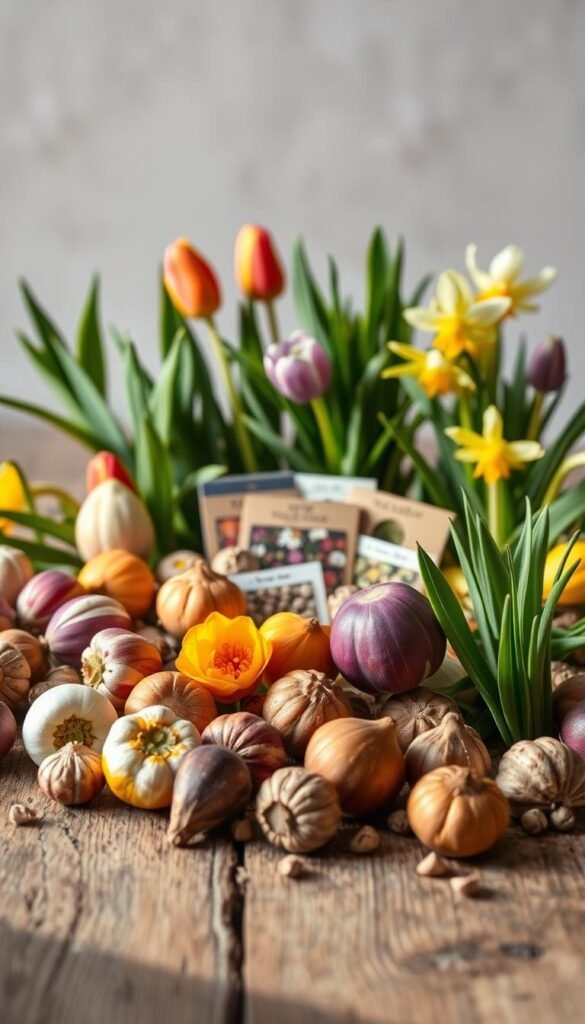
Sourcing Quality Plant Material
Healthy bulbs should feel firm when you press them gently. Look for them at local nurseries like Home Depot or through catalogs like Burpee. Make sure seed packets say "fresh" and store them in a cool, dark spot until you plant them. Always check bulbs for any signs of disease before you buy.
Understanding Planting Depth and Spacing
Here are some tips to help your plants grow well:
- Depth: Plant bulbs 2–3 times their height. For example, tulips need 6–8 inches deep.
- Spacing: Leave 3–6 inches between bulbs to allow root spread. Crowded plants struggle to bloom.
Use a ruler to measure holes accurately. A bulb planter tool makes digging precise holes easier.
Proper spacing lets each plant get enough light and nutrients. For a Early Spring Flowers Garden to thrive, match each variety’s needs to your soil type and climate zone.
Caring for Your Early Spring Flowers
Spring gardening tips help your early blooming flowers stay bright. Proper care boosts blooms and strengthens plants for future seasons.
Watering Techniques for Healthy Growth
Adjust watering based on plant needs. Follow these steps:
- Water deeply once a week unless rain provides 1 inch of moisture weekly.
- Avoid wetting leaves to prevent disease—use drip irrigation or soaker hoses.
- Reduce watering once flowers fade but keep soil moist while leaves remain green.
Fertilization Strategies for Optimal Blooms
Feed plants at the right time with these strategies:
- Apply a 10-10-10 fertilizer in early spring before shoots appear.
- Use organic options like Espoma Bulb Tone or synthetic blends like Osmocote.
- Avoid high-nitrogen feeds during bloom to prevent foliage overgrowth.
Post-bloom care is vital. Resist cutting foliage until it yellows completely. This lets bulbs store energy for next year’s show. A seasonal calendar helps track watering, feeding, and dormancy periods. Prioritize these steps for thriving spring displays year after year.
Dealing with Garden Pests in Early Spring
Protecting your garden in early spring means watching out for pests. These pests can ruin the beauty of your flowers. Taking action early helps your garden grow well without using harsh chemicals.
Common Pests to Watch For
Rodents like voles and mice eat through bulb roots. Squirrels can pull up new planting flowers for spring. Deer and rabbits eat the tender shoots, leaving them looking bad.
Aphids gather on stems, slowing growth. Thrips make leaves look distorted. Look for holes in leaves or sawdust near the soil to spot pests.
Natural Pest Control Methods
- Use wire mesh cages around bulb beds to block rodents.
- Broadcast blood meal or sprinkle cayenne pepper to repel mammals.
- Plant garlic or chives near tulips—their scent deters aphids.
- Introduce ladybugs to eat aphids or spray neem oil for thrips.
- Wrap tree guards around trunks to block voles climbing shrubs.
Timing is key: Use repellents before flowers bloom. For tough problems, try organic sprays like Safer Brand insecticidal soap. Check your plants every week to catch problems early and keep your garden healthy.
Creating a Seasonal Color Scheme
Designing a garden that dazzles from early spring through bloom season starts with smart color choices. Use colorful spring blooms and spring flower garden design principles to craft a space that feels intentional and inviting.
Choosing Color Palettes for Your Garden
Start by picking a mood. Cool tones like lavender and white create serene spaces, while warm hues like orange and yellow add energy. Pair colorful spring blooms like blue hyacinths with sunny daffodils for a balanced mix. Try these palettes:
- Soft pastels: Combine pale pinks and lavenders for a dreamy look.
- Monochromatic: Layer varying shades of yellow with Narcissus varieties.
- Contrast: Use deep purple crocus against bright white snowdrops.
Mixing Textures for Visual Interest
Texture adds depth beyond bloom time. Combine grass-like crocus leaves with ruffled tulip petals, or pair spiky alliums with smooth peony foliage. Try these combos:
- Strappy daffodil leaves + broad hosta foliage
- Fuzzy pussywillow branches + smooth crocus petals
- Layer fine grasses beneath bold tulip blooms
Use paint swatches or online tools to visualize color transitions. Adjust schemes based on how sunlight hits your garden at different times of day. A well-planned spring flower garden design ensures beauty evolves gracefully through the season.
Expanding Your Spring Flower Collection
Building on your early spring garden’s success means creating a seamless shift to summer. Use late-blooming tulips and alliums as connectors between seasons. This ensures no gaps in color. Start by selecting varieties that overlap with your early spring flower varieties to maintain visual flow.
Transitioning to Summer Blooms
- Plant alliums (Allium giganteum) alongside late daffodils for a staggered bloom timeline.
- Add early shrubs like weigela or mock orange for lasting fragrance and structure.
- Incorporate self-sowing annuals such as love-in-a-mist (Nigella) to fill in gaps naturally.
A planning an early spring garden calendar helps identify bloom windows. For example:
- Zone 5 gardens can interplant crocus with peonies for March-May overlap.
- In zones 3-7, use biennials like hollyhocks for year-round cycles.
“Mixing early bloomers like snowdrops with mid-spring tulips creates a living timeline,” advises the National Garden Bureau.
Focus on expanding through genus collections—try 10+ hyacinth varieties over years—or design specialty beds like cutting gardens. A 11-zone bloom-time chart (available via USDA resources) ensures regional accuracy for gap-free beauty.
Showcasing Your Early Spring Flowers
Make your colorful spring blooms unforgettable with these ideas. Share your garden's beauty through photos or gatherings. It connects you with others and celebrates nature's return.
Tips for Garden Photography
Here are simple ways to capture the beauty of Early Spring Flowers Garden:
- Shoot during golden hour (sunrise to mid-morning) for soft, warm light.
- Zoom in on tiny details—like crocus petals or hyacinth clusters—with macro mode on your phone or a DSLR lens.
- Use overcast days to reduce harsh shadows and highlight bloom colors.
Hosting a Spring Garden Party
Here's how to turn your garden into a celebration space:
“Timing is key—plan events when 70% of your bulbs are in bloom.” – Sarah Green, Urban Gardening Expert
- Hold a brunch under tents for rain protection, serving lemonades with edible flower garnishes.
- Organize an egg hunt where kids search for painted eggs hidden among colorful spring blooms.
- Create a guided tour explaining each flower’s name and care tips.
Offer light snacks like floral-infused water or honey from local bees to tie the theme together.
Local Gardening Resources and Communities
Expand your gardening knowledge by connecting with local resources. Spring gardening tips and guidance on how to create a spring flower bed are easier to find through community networks. Discover trusted nurseries and clubs to grow your skills and garden’s beauty.
Finding Local Nurseries
Local nurseries offer region-specific expertise. Look for stores specializing in spring blooms like daffodils or hyacinths. Here’s how to find the best:
- Search online for “spring bulb specialists” in your area.
- Ask garden clubs for recommendations on nurseries carrying native plants.
- Visit farmers’ markets for vendors selling seasonal flower bulbs.
Joining Gardening Clubs
Local clubs like the American Daffodil Society or state Master Gardener programs provide hands-on learning. Benefits include:
- Plant swaps for rare spring flowers.
- Guided tours of public gardens with vibrant spring displays.
- Access to workshops on soil prep and pest control.
Check Meetup or Nextdoor for groups focused on how to create a spring flower bed in your area. Sharing experiences with neighbors enriches both your garden and community.
Sustainable Gardening Practices for Spring
Sustainable gardening is more than a trend. It's a smart way to care for your early spring blooms while protecting the planet. Making eco-conscious choices when planting flowers or designing a bed can make a big difference. These practices help gardens grow without harming the environment.
Eco-Friendly Plant Care Techniques
Begin by saving water. Use rain barrels to catch runoff, and mulch to keep moisture in. Avoid synthetic pesticides and opt for neem oil or insecticidal soap instead. Composting garden waste enriches the soil naturally. These steps reduce waste and support healthy soil, ensuring your spring flowers bloom well without harming the environment.
Benefits of Native Plants in Your Garden
Choose native species like trillium and Virginia bluebells in the East, or California poppies in the West. These plants thrive in local climates, needing less water and chemicals. They also help pollinators like bees and butterflies, strengthening local ecosystems. Start small by adding a few native varieties to your beds or work with nurseries like Monrovia for the right plants.
Resources like the Lady Bird Johnson Wildflower Center provide guides for regional natives. Whether you're planting for spring or updating a bed, sustainable choices make gardens beautiful and responsible. Every step towards eco-friendly care benefits your garden and the planet, year after year.