Spring is the perfect time to bring color and life to your garden. This guide helps you choose the best spring flowers to plant. Whether you’re a first-time gardener or an expert, you'll find blooms that thrive in your space.
Adding flowers to plant in spring creates vibrant outdoor spaces. It also supports bees and butterflies. From annuals to perennials, this guide highlights options like petunias and daffodils.
Learn which spring flowers match your climate and garden style. Start your planting journey today. Enjoy blooms all season long!
Why Plant Flowers in Spring?
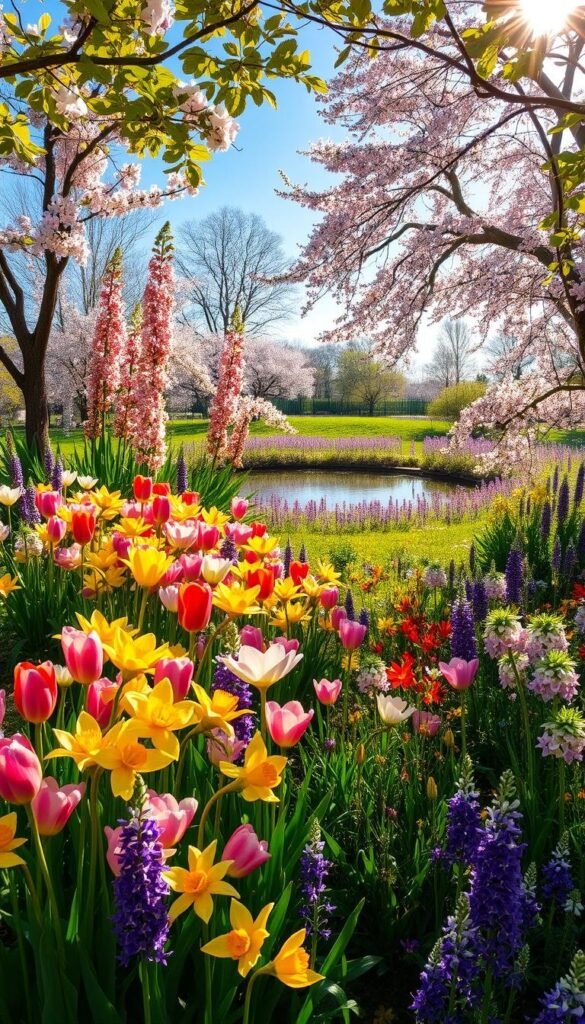
Spring is the perfect time to start your garden. Planting spring flowers at this time gives them a great start. The soil is warm, and there's plenty of rain, making it ideal for growth. Plus, planting early means roots can grow strong before summer's heat hits.
The Benefits of Spring Planting
Timing is everything. Here's why spring is the best:
- Moderate temperatures help new plants grow without stress.
- Rainfall naturally waters seeds and seedlings.
- Plants get a head start on establishing strong roots for long-term growth.
Creating Vibrant Spaces
Picture your garden full of springtime blooms. Gardening in spring brings color back after winter's dullness. Mix different flowers like daffodils and pansies for a beautiful look. These spring flowers turn empty areas into lively spots for outdoor fun.
Enhancing Pollinator Habitats
“Early springtime blooms are lifelines for bees and butterflies,” says the National Wildlife Federation.
Spring flowers are essential for pollinators coming out of winter. Planting native flowers like crocus or hyacinths helps ecosystems thrive. Healthy pollinators mean better crops for fruit and vegetable gardens.
Top Annual Flowers for Spring
Annual flowers add instant color to any spring flower garden. They bloom all season, making them great for planting flowers in spring. These three varieties are perfect for containers or beds:
Petunias: Colorful Choices
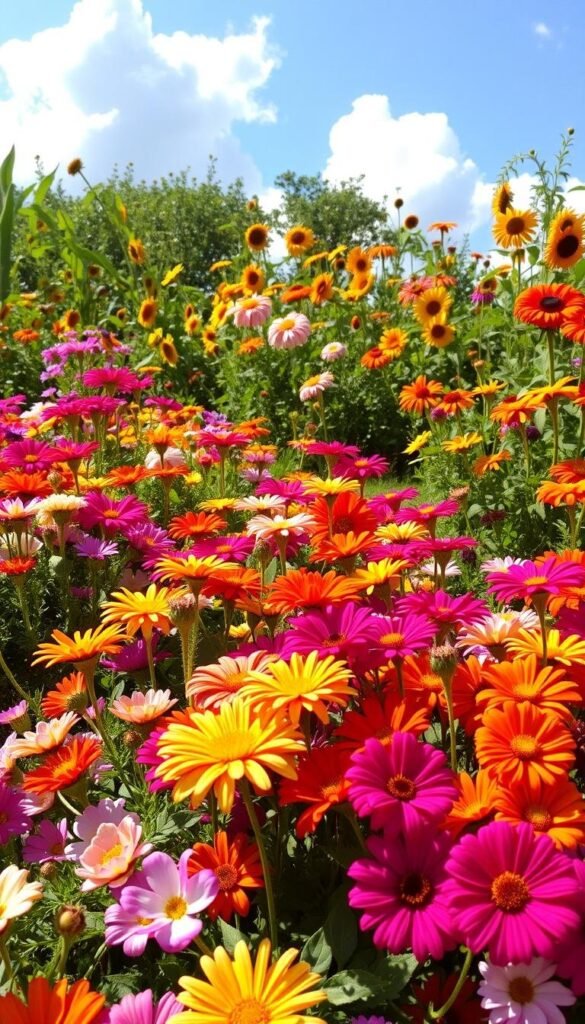
Petunias come in many colors, from neon pinks to soft lavenders. Wave Petunias spill over hanging baskets, while Surfinia types do well in sunny spots. Start seeds indoors 6-8 weeks before the last frost, or buy seedlings for quick results. Remember to remove spent blooms weekly to encourage more flowers.
Marigolds: Easy Maintenance
Marigolds (like French Marigolds) keep pests away, like aphids. Their bright colors warm up any garden. Plant seeds directly after the frost, or use nursery starts. These flowers are tough and only need watering once a week. They'll brighten your garden all summer.
Zinnias: Vibrant Blooms
Zinnias draw butterflies with their vibrant flowers. Zahara Zinnias fight off mildew, and tall types like Pink Giant are great for cutting. Plant seeds when the soil warms up, and space them 12-18 inches apart. Their long blooming season makes them a must-have for spring.
“Zinnias are the ultimate reward for minimal effort—they’re like nature’s confetti!” – Garden Designer Lisa Green
Combine these annuals with perennials for color all year. Use petunias in pots, marigolds around veggies, and zinnias in beds. Your spring flower garden will flourish with these choices!
Popular Perennials to Consider
Make your spring flower garden come alive with plants that come back every year. Perennials bring lasting beauty and save you time and effort. They add color and strength to your garden, ideal for seasonal blooms that love spring's weather.
Coneflowers: Resilient Beauties
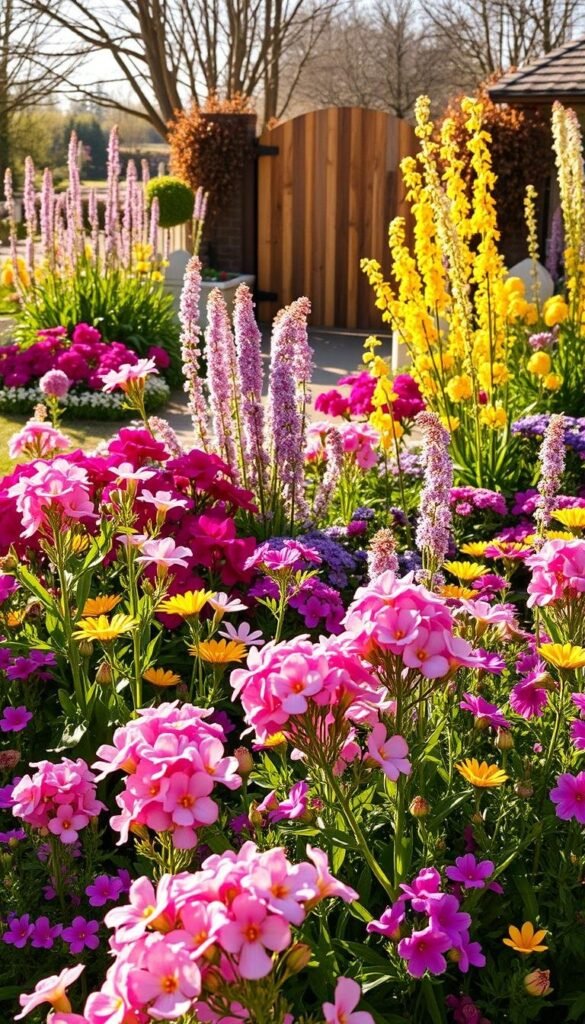
Coneflowers (Echinacea) bloom from summer to fall, drawing bees and butterflies. ‘Magnus’ does well in sunny, dry areas. Its purple flowers look great with other spring blooms, and it's great for gardens that don't get much water.
Daylilies: Low-Care Options
Daylilies (Hemerocallis) show off in orange, red, and gold. ‘Stella de Oro’ blooms often and grows well in poor soil. Its clumping growth makes it easy to care for, fitting well into any garden design.
Hostas: Foliage and Blooms
Hostas bring excitement with their heart-shaped leaves in green and blue. ‘Blue Mouse Ears’ loves shade and blooms in lavender in summer. Their striking leaves enhance sun-loving plants, adding depth to shaded parts of your garden.
Bulbs to Plant in Spring
Spring is the best time to plant bulbs for vibrant displays. Flowers like daffodils and tulips bloom beautifully in early spring. With the right care, they add stunning colors to your garden.
Daffodils: Early Bloomers
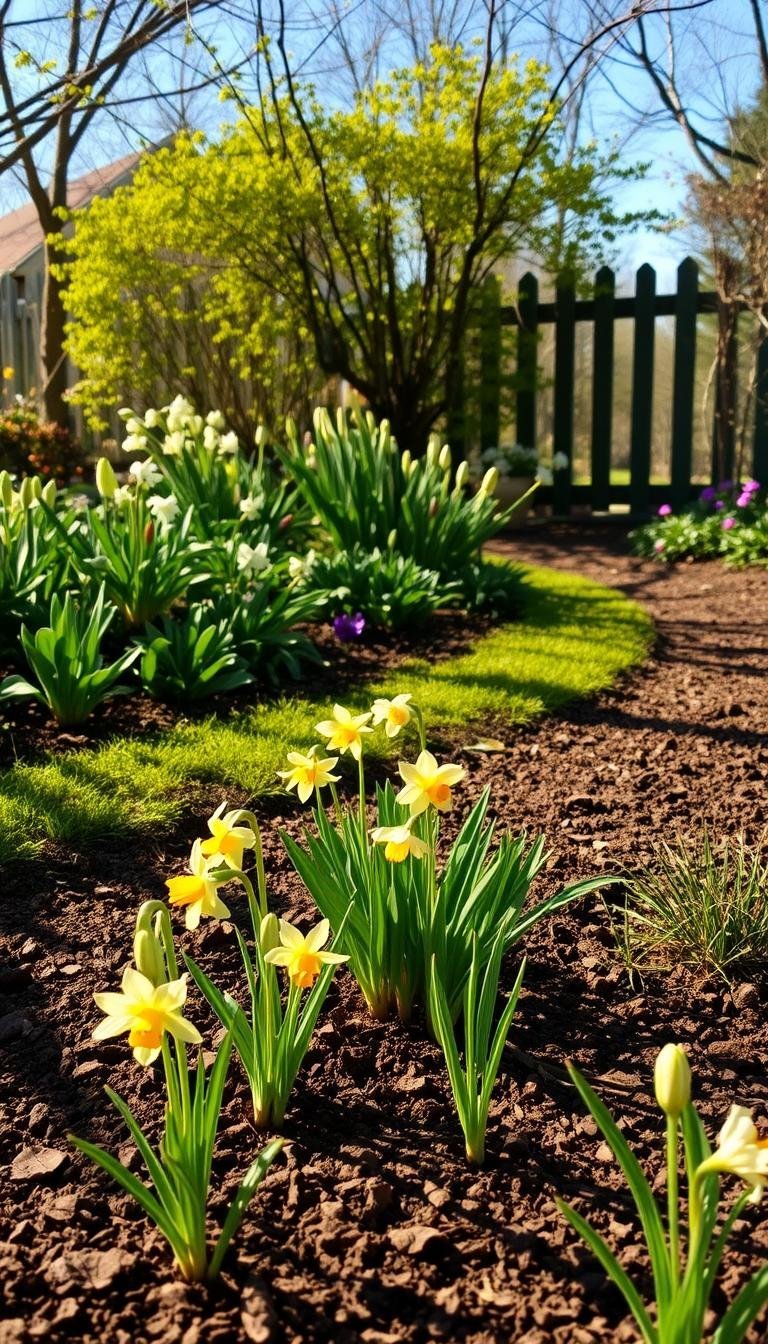
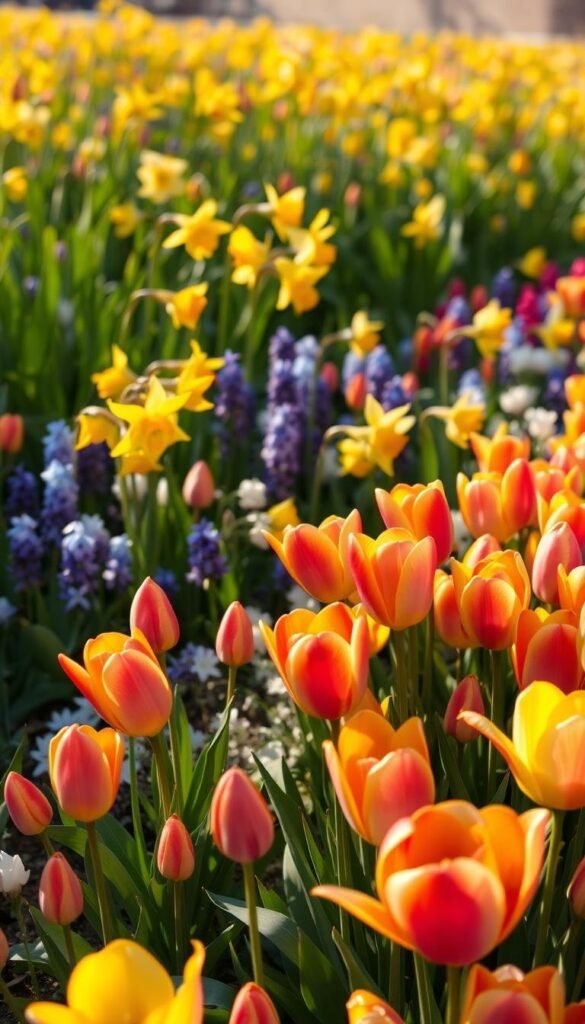
Daffodils bring vibrant colors to spring gardens. They spread easily, creating beautiful drifts. They are deer-resistant and grow well in sun or part shade.
Here are some tips:
- Plant 3–4 inches deep in well-drained soil.
- Let foliage yellow naturally to strengthen next year's growth.
- Pair with low-growing plants like pansies for layered looks.
Tulips: Classic Elegance
Tulips add classic elegance with bold colors. Try 'Spring Green' or 'Purple Emperor' for stunning hues. Here's how to make them thrive:
- Plant 6–8 inches deep in full sun for best growth.
- Space bulbs 4-6 inches apart to avoid crowding.
- Deadhead spent blooms to encourage repeat flowering in some types.
Alliums: Architectural Flair
Alliums have globe-shaped blooms, adding architectural flair. They attract pollinators and provide vertical interest. Plant in early spring for late-season color.
Here are some key points:
- Plant 4–6 inches deep in loose, fertile soil.
- Pair with shorter blooms like pansies for contrast.
- Resist disease and pests, requiring little care once established.
With the right care, these bulbs turn gardens into vibrant displays. Follow these tips for lasting beauty and enjoyment all year.
Best Flowers for Shady Areas
Even if your garden gets little sunlight, best spring flowers do well in the shade. They bring color to areas where sunlight is limited. Follow these spring planting tips to make shady spots bright and lively.
Impatiens: Brighten Up the Shade
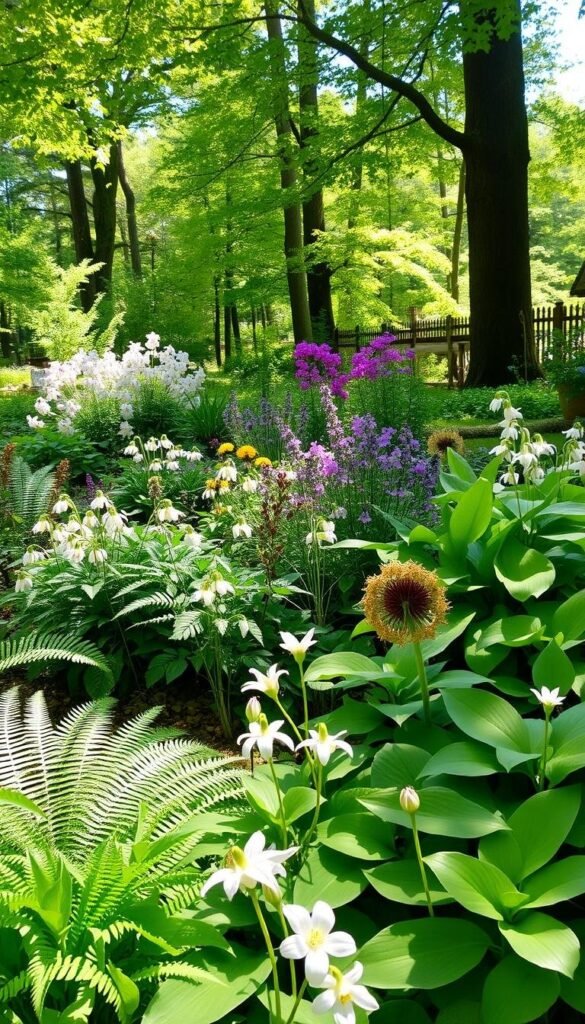
Impatiens come in red, pink, and white and love the shade. They need moist soil and bloom all season. Pair them with ferns or hostas for a layered look. Plant them in spring to get a head start before summer.
Astilbes: Feathery Texture
Astilbes have fluffy plumes in pink or white. They grow 1–3 feet tall and need rich, moist soil. They do well in part shade and look great with bleeding hearts or coral bells. Mulch the soil to keep it moist when it's dry.
Bleeding Hearts: Unique Flowers
Bleeding hearts have heart-shaped blooms in early spring. They love full shade and damp, fertile soil. Mix them with woodland plants like Solomon’s seal for a natural look. Remove spent blooms to keep them flowering longer.
Drought-Tolerant Flower Options
For a low-maintenance spring flower garden, drought-tolerant blooms are key. These flowers thrive in dry conditions, making gardening in spring easier and eco-friendly. Lavender, echinacea, and sedum are hardy and adapt well to warm climates, boosting garden resilience.
Lavender: Fragrant and Hardy
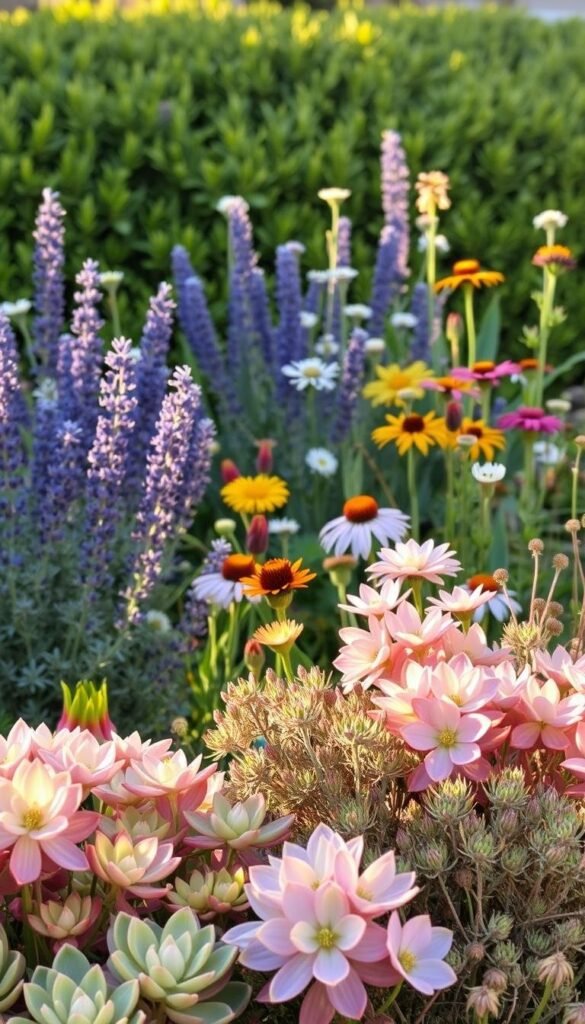
This Mediterranean native loves sunny spots and well-drained soil. Its purple spikes attract pollinators and release a calming scent. Plant in spring for year-round appeal. Key tips:
- Position in full sun for best fragrance
- Amend clay soils with gravel for drainage
- Prune lightly after blooming to encourage growth
Echinacea: Thriving in Heat
Native to North America, coneflowers bloom in fiery hues. Their sturdy stems withstand summer droughts. Perfect for spring planting in sunny borders. Planting strategies:
- Space 2 feet apart to allow airflow
- Mulch lightly to retain soil moisture
- Deadhead spent blooms to prolong flowering
Sedum: Succulent and Stylish
With water-storing leaves, sedum forms lush mats that flower late in the season. Ideal for rock gardens or dry slopes. Care includes:
- Plant in gravelly soils for optimal drainage
- Water weekly until roots establish
- Pair with other drought-resistant plants for cohesive spring flower garden designs
These flowers reduce water use without sacrificing beauty. They’re ideal for modern gardens prioritizing sustainability. Once established, they’ll thrive with minimal care—perfect for busy gardeners!
How to Choose the Right Flowers
Choosing the right flowers for your garden starts with understanding your garden’s unique traits. These spring planting tips help match plants to your space, ensuring they thrive and bloom at their best.
Assessing Your Soil and Sun
First, check your soil’s texture, moisture, and pH. Use a soil test kit to identify nutrient needs. Next, observe sunlight: full sun means 6+ hours daily, while shade areas need plants suited for less light. Pro tip: track sun patterns over a day to avoid mistakes.
Considering Local Climate
Check your USDA Hardiness Zone map for frost dates and temperature ranges. Microclimates—like sheltered corners or windy slopes—alter growing conditions. Match plants to your zone to avoid losses. For example, tender plants in zone 6 need winter protection.
Planning for Seasonal Change
Choose seasonal flowers with staggered bloom times. Mix early spring bloomers (like crocus) with late-season perennials (like asters). This ensures color from April through fall. Online bloom calendars or local nursery guides help plan this flow.
"Gardens thrive when you work with nature, not against it." – National Gardening Association
Combine these steps to create a garden that adapts to your climate and grows stronger each year. Small adjustments now save time and frustration later.
Tips for Planting Flowers in Spring
Mastering planting flowers in spring begins with careful planning. These spring planting tips help your garden bloom right away. Follow these steps to create a garden full of color.
Timing Your Planting
Wait until frost risk is gone in your area. Check your USDA hardiness zone for safe planting times. For seeds, wait until soil is over 55°F. Gardening in spring experts say plant marigolds after the last frost for the best look.
- Use a soil thermometer for accuracy
- Plant tender flowers like impatiens after soil warms
Preparing Your Garden Beds
Loosen soil to 12 inches deep and mix in compost. Add 2-3 inches of mulch to keep moisture in. Don't over-till to avoid compacting the soil.
"Amending soil first cuts maintenance later," advises the National Gardening Association.
Watering Essentials
Soak roots deeply at planting time. Water in the early morning to reduce evaporation. Check soil moisture 2 inches deep before each watering—dry soil means it’s time. Avoid overhead watering to prevent disease.
Common mistake: Overwatering newly planted flowers. Use a moisture meter for accuracy.
Follow these spring planting tips and watch your garden grow. Happy gardening in spring!
Maintenance for Spring-Planted Flowers
Keeping your spring flower garden healthy is key to enjoying those beautiful blooms all season. A few easy steps can help your plants thrive without too much work. Let’s look at the basics.
Fertilization Guidelines
Timing is everything when it comes to feeding your plants. Use a balanced fertilizer like 10-10-10 for annuals or slow-release pellets for perennials. Apply once when you plant and again in the middle of the season. Always read the label to avoid harming your plants.
- Annuals: Start with nitrogen-rich feeds to boost early growth.
- Perennials: Switch to phosphorus blends to strengthen roots before flowering.
Pruning and Deadheading
Deadheading spent blooms keeps your garden looking fresh. Remove faded flowers every week to encourage new growth. Trim any stems that get too long to keep your plants neat and tidy.
“Deadheading isn’t just tidying—it’s a secret to more springtime blooms.”
- Cut back leggy stems to just above a leaf node.
- Use clean shears to prevent disease spread.
Pest Management Strategies
Watch out for aphids or slugs. Use neem oil or insecticidal soap for soft-bodied pests. Plant dill or yarrow to attract natural predators like ladybugs. Mulch around your plants to keep slugs away.
Gardening in spring is easier with these tips. Small routines like weekly checks and timely pruning make a big difference. Happy planting!
Flower Pairing Ideas for Stunning Displays
Creating a spring flower garden that stands out starts with smart pairings. Whether you want bold contrasts or harmonious blends, the right spring flowers make all the difference. Let's explore how to mix and match blooms for a garden that dazzles from every angle.
Complementary Colors
Color theory is key to eye-catching displays. Mix spring flowers using monochromatic, analogous, or contrasting palettes. Try these combos:
- Monochromatic: Soft pink peonies with lavender stocks.
- Analogous: Yellow marigolds and orange zinnias for warm harmony.
- Contrasting: Blue delphiniums with orange calendulas for bold impact.
Textures and Heights
Layering adds depth to a spring flower garden. Combine:
- Tall spires like foxgloves with trailing alyssum at ground level.
- Feathery grasses with broad hosta leaves for texture contrast.
- Rounded mums beside spiky alliums for dynamic shapes.
Position taller plants at the back and shorter ones upfront for natural layers.
Seasonal Combinations
Plan blooms to overlap for continuous color. Pair early seasonal flowers like crocus with mid-spring tulips and late-blooming phlox. For example:
- Start with snowdrops in March.
- Add daffodils and hyacinths in April.
- Finish with peonies and lupines in May-June.
This strategy ensures your garden stays vibrant all season long.
When to Expect Blooms After Planting
Knowing when your garden will burst into color is exciting. Let's explore timing tips for the best spring flowers. We'll also look at how to keep your garden blooming all season.
Annuals vs. Perennials
Annuals like petunias and marigolds bloom quickly, often in 6–8 weeks. Perennials, such as coneflowers or hostas, take longer to establish. They focus on roots the first year.
But, be patient. Perennials grow stronger in later seasons.
Understanding Bloom Cycles
Plan your garden around bloom stages. Early spring flowers like daffodils bloom in 3–6 weeks. Mid-season flowers, like daylilies, peak in summer.
Late bloomers, such as sedum, shine in late summer. Weather and soil health can change bloom times. But, plant tags usually show average bloom times for spring planting tips success.
Planning for Continuous Color
Mix early, mid, and late bloomers to avoid gaps. Pair fast-growing annuals with slower perennials for steady color. Replanting annuals every 6–8 weeks keeps beds vibrant.
Layer plants so when one fades, another takes center stage. For example, replace spring tulips with summer zinnias.