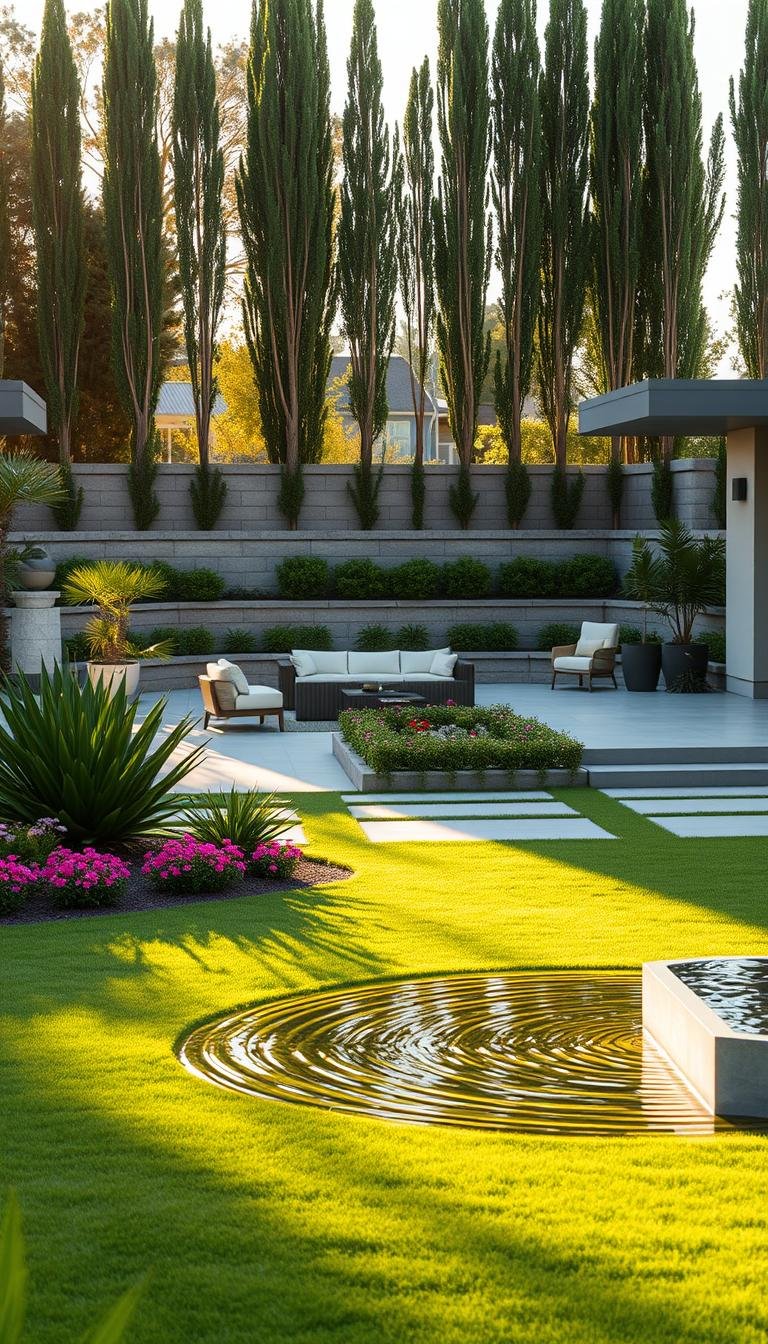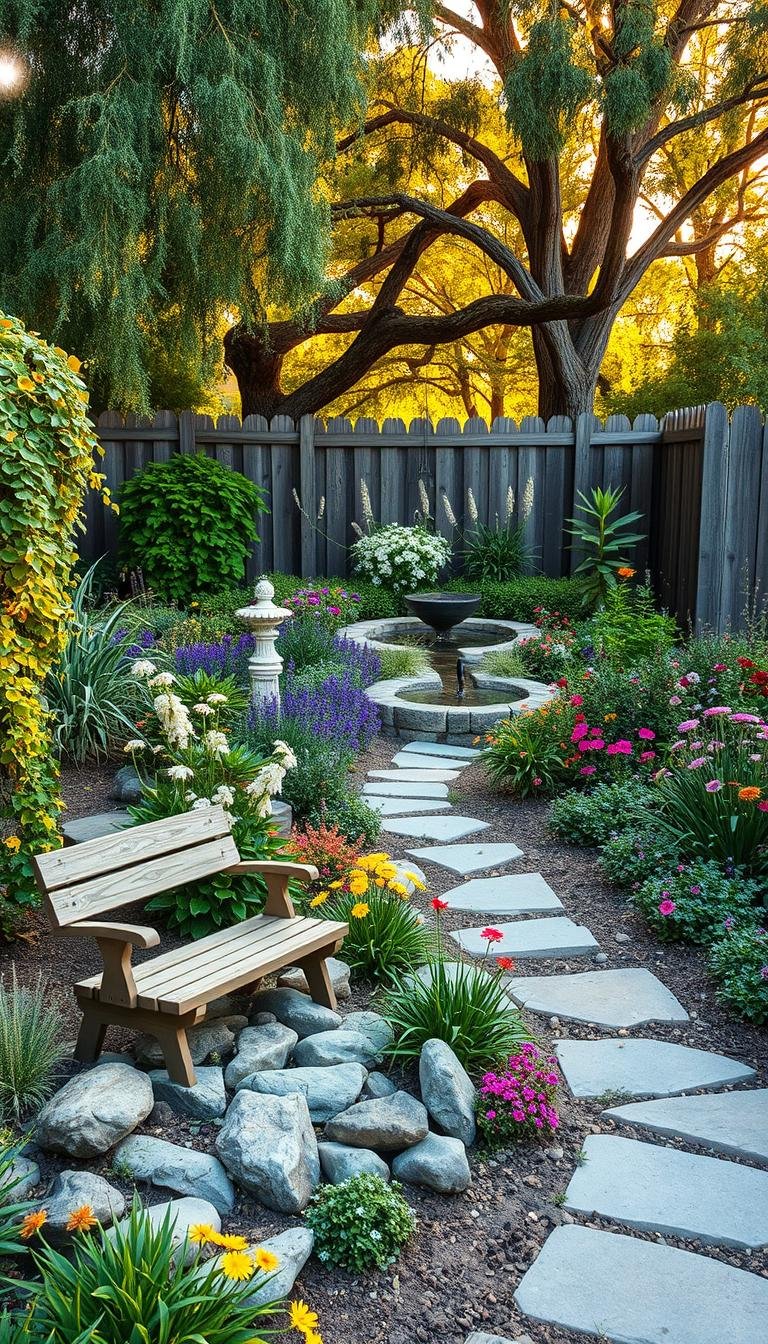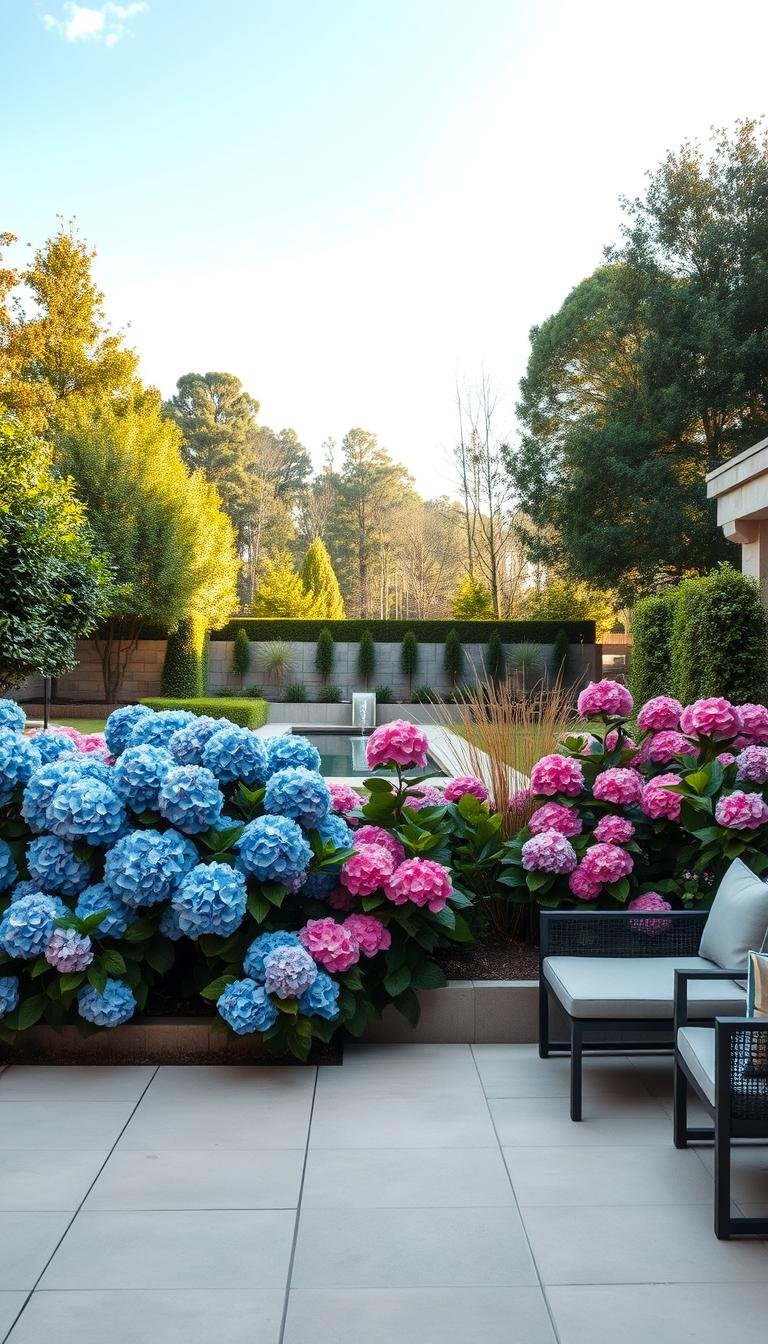
I'm excited to share my beginner tips for perfecting your front yard landscaping! Creating an inviting outdoor space starts with understanding the basics of landscaping.
A beautiful outdoor space not only enhances your home's curb appeal but also creates a welcoming atmosphere for guests and family. I'll be sharing my personal recommendations and expert advice to help you get started on your landscaping journey.
With these tips, you'll be well on your way to creating a stunning front yard that reflects your personal style.
1. Importance of Front House Landscaping
The landscaping of your front house is key to making a great first impression. A well-kept lawn and a well-designed outdoor space boost your home's look and value.
Curb appeal refers to how attractive a home's exterior is. It's the first thing people notice. I'll share how landscaping impacts property value and why it's important.
Benefits of Curb Appeal
A home with great curb appeal catches the eye in the neighborhood. It makes a positive first impression. This can sway buyers' opinions.
- Increased property value
- Enhanced attractiveness to buyers
- A competitive edge in the market
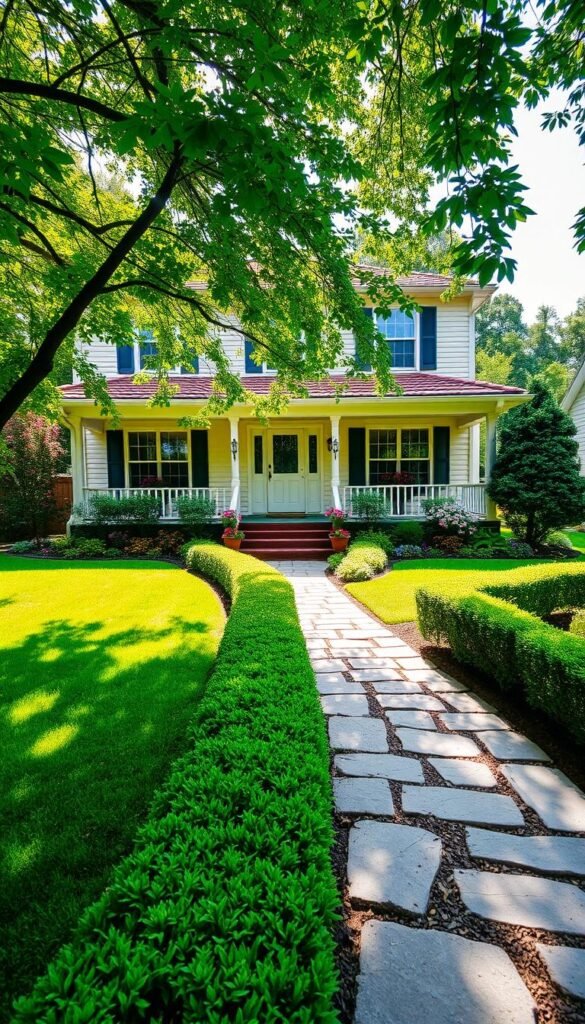
How Landscaping Affects Property Value
Landscaping is more than looks; it's a smart investment. Studies show it can raise a home's value by up to 12%. It makes the outdoor space more appealing and functional.
Improving lawn care, garden design, and outdoor lighting can greatly enhance your home's curb appeal. This, in turn, boosts its value. Whether selling or enjoying your space, landscaping is a wise choice.
2. Assessing Your Front Yard Space
Starting with a yard assessment is key to a beautiful outdoor space. I find it exciting to understand the yard's unique features.
First, measure and plan your layout. Take exact yard measurements, noting trees, gardens, or slopes. This helps spot the best spots for landscaping. Here are some important points:
- Measure the length and width of your yard
- Note the location of any existing features
- Identify any slopes or uneven areas
Measuring and Planning Your Layout
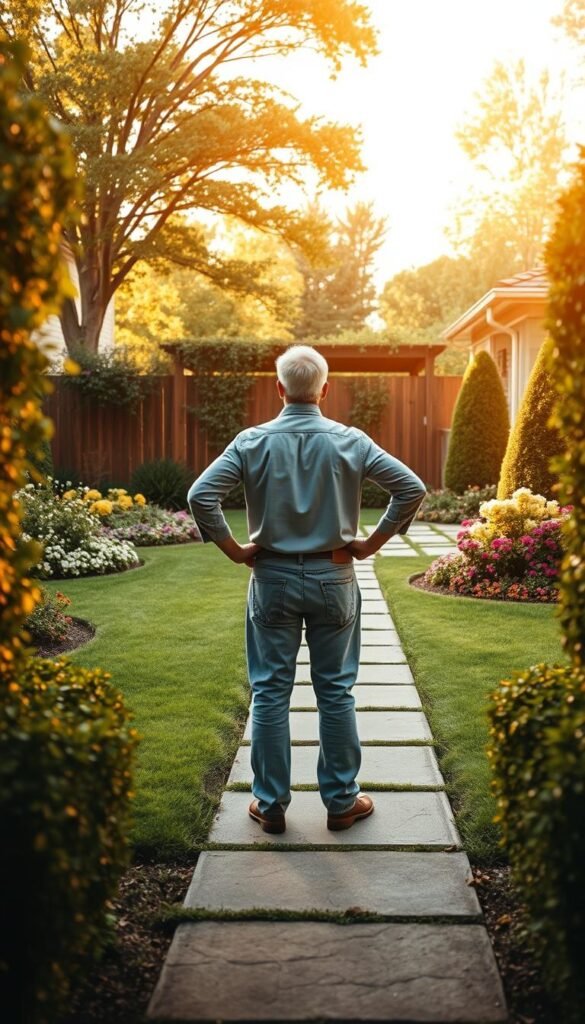
When measuring, include all areas for your landscaping. I suggest making a sketch to see your ideas come to life.
Identifying Sunlight and Shade Areas
Knowing your yard's sunlight and shade is vital. Watch your yard all day to see where the sun hits and where it's shady.
Key factors to consider:
- Sunlight patterns
- Shade areas
- Soil conditions
By understanding your yard, you can make a plan that boosts your home's look and use.
3. Choosing the Right Plants
Finding the perfect plants for your front yard can seem hard. But, with the right tips, it's easy! Pick plants that look great and fit your local weather and soil.
I prefer native plants for their ease of care. They thrive in your local climate and soil, needing less water and attention. This is perfect for those who want a beautiful yard without the upkeep.
Native Plants for Easy Maintenance
Native plants are great for your front yard. They fight off pests and diseases on their own, cutting down on chemicals. Here are some favorites:
- Black-eyed Susans, which add a bright pop of color to your yard
- Butterfly Weed, a favorite of monarch butterflies
- Coreopsis, a low-maintenance perennial that's perfect for hot, dry spots
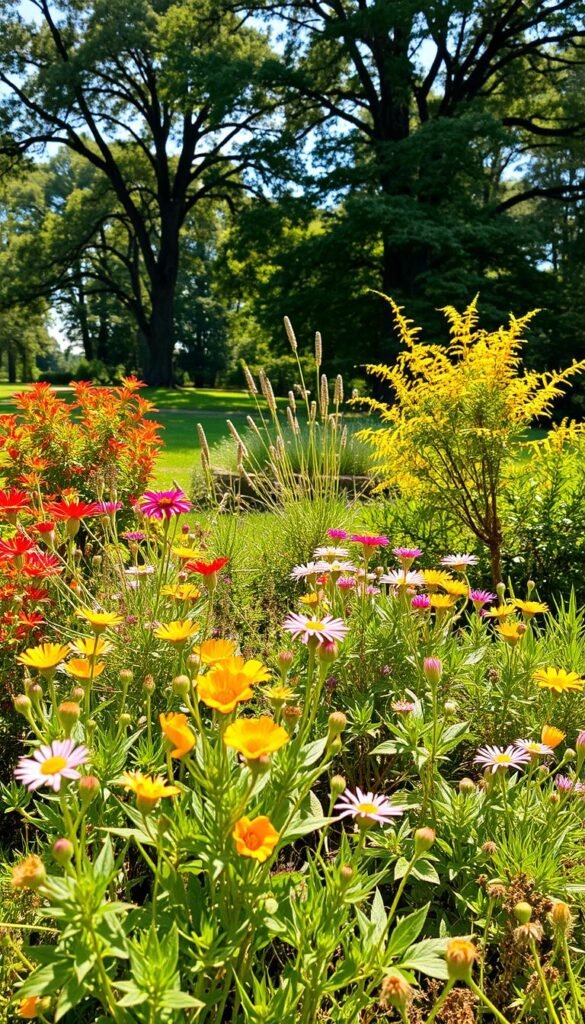
Native plants also help local wildlife, like birds and butterflies. They make your yard a better place for nature.
Seasonal Flower Selections
Native plants are good, but seasonal flowers bring color and life all year. Tulips and daffodils are great for spring. Zinnias and sunflowers brighten up summer.
Here are some of my top picks:
- Spring: Tulips, Daffodils, Hyacinths
- Summer: Zinnias, Sunflowers, Cosmos
- Fall: Asters, Chrysanthemums, Sedum
- Winter: Pansies, Cyclamen, Holly
By mixing native plants with seasonal flowers, you'll have a yard that's always changing and beautiful.
4. Designing an Inviting Pathway
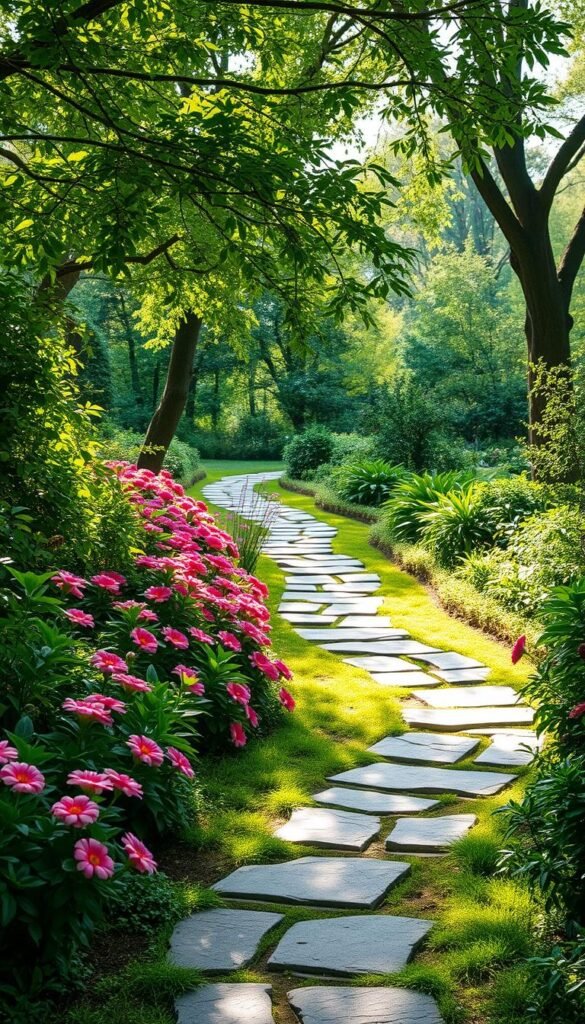
I'm excited to share my favorite tips on designing an inviting pathway. It will elevate your home's curb appeal! A well-designed pathway not only guides visitors to your front door. It also adds a touch of personality to your outdoor space.
When it comes to creating a beautiful pathway, the material you choose is key. Let's explore some popular options for walkways that can enhance your home's exterior.
Material Options for Walkways
Selecting the right material for your walkway can be overwhelming, but I'm here to help. Here are some popular choices:
- Brick: A classic choice that adds a timeless charm to your front yard. Brick walkways are durable and can be arranged in various patterns to suit your design.
- Gravel: A modern and cost-effective option that provides good drainage and is easy to install. Gravel walkways can be paired with edging materials for a more polished look.
- Stone: Natural stone walkways, such as flagstone or bluestone, offer a unique and elegant appearance. They can be more expensive, but they add significant value to your property.
- Concrete: A versatile and durable option that can be stamped or stained to mimic other materials. Concrete walkways are low maintenance and can withstand heavy foot traffic.
Edging Ideas to Define Pathways
Edging is a key element in defining your pathway and separating it from the rest of your landscaping. Here are some creative edging ideas:
- Metal Edging: A sleek and modern choice that can be used to create clean lines and geometric shapes.
- Brick Edging: Using bricks to edge your pathway can create a cohesive look, if you're using brick for your walkway.
- Plastic Edging: A flexible and affordable option that can be used to create curved or irregular shapes.
- Stone Edging: Natural stone edging can add a rustic touch to your pathway and complement your landscaping.
By combining the right walkway materials with creative edging ideas, you can design an inviting pathway. It will enhance your home's curb appeal and create a welcoming atmosphere for visitors.
5. Incorporating Hardscaping Elements
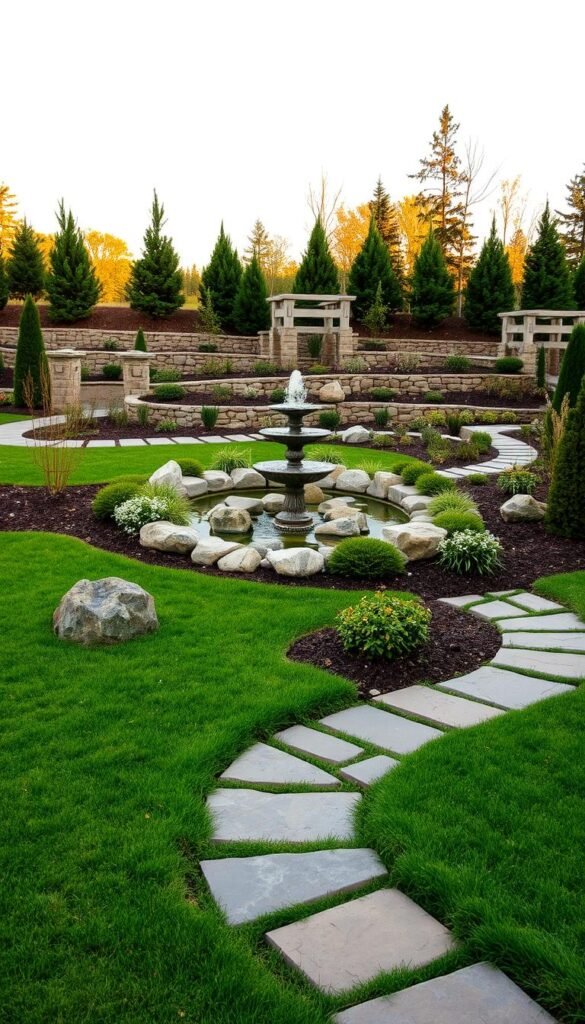
I'm excited to share how hardscaping elements like patios, decks, and fences can change your outdoor space. Hardscaping makes your outdoor area beautiful and useful. It also increases your home's value.
These elements help create a unique and welcoming outdoor space. Whether you want to relax, entertain, or just enjoy the outdoors, hardscaping can make it happen.
Importance of Patios and Decks
Patios and decks are key hardscaping features that improve your outdoor living. A well-made patio or deck offers a cozy spot for relaxation, dining, and fun. Think about your home's style, yard terrain, and what you like when choosing between a patio and a deck.
Benefits of Patios: Patios use stone, brick, or concrete and sit at ground level. They look sleek and modern, fitting any yard size or shape.
Benefits of Decks: Decks are raised, made of wood or composite, and offer great views. They give you a platform to enjoy your surroundings.
Adding Fences and Retaining Walls
Fences and retaining walls are vital for adding beauty and function to your yard. Fences give privacy, security, and mark your property. Retaining walls manage slopes, stop erosion, and create more outdoor areas.
- Fences come in wood, vinyl, and metal, each with its own look and durability.
- Retaining walls use stone, brick, or concrete blocks. They match your home and yard's style.
With these hardscaping elements, you can make a beautiful and useful outdoor space. It will make your home look better and welcome family and friends.
6. Utilizing Color and Texture
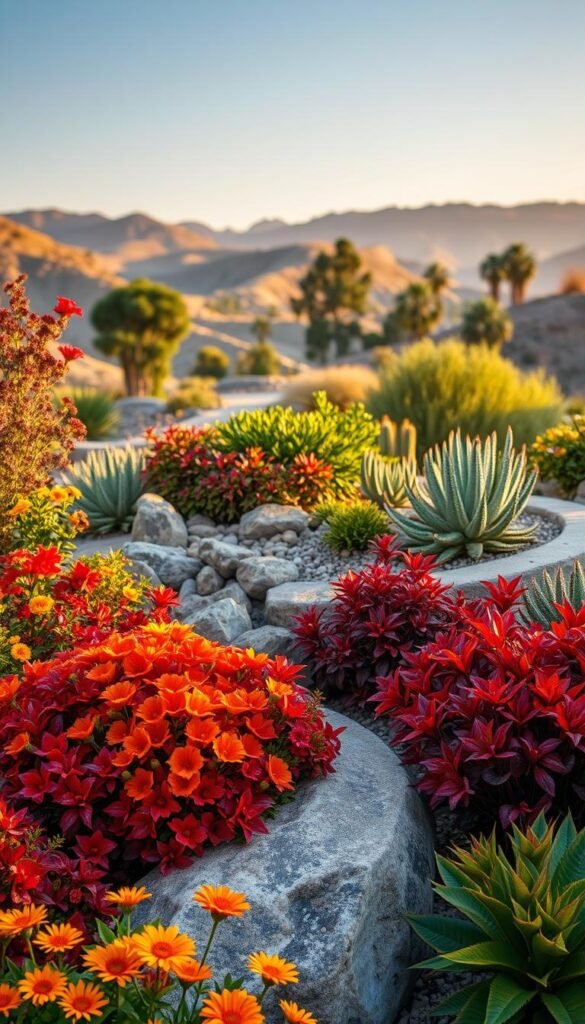
Color and texture are key in making a landscape stand out. They can make your front yard look amazing and show off your personal taste.
Creating a Cohesive Color Palette
A good color palette ties your landscape together. Start with your house's colors, like the roof and walls. Then pick plants and materials that match these colors.
For example, if your house is warm, choose plants like autumn-colored foliage or vibrant sunflowers. If it's cool, go for blue spruce or purple lavender. The goal is to balance everything nicely.
"The right color palette can transform your outdoor space into an extension of your home's interior design."
Mixing Textures for Visual Appeal
Texture mixing adds depth and interest to your yard. Mixing different textures creates a beautiful contrast that catches the eye.
Try pairing smooth textures like river rocks with rough ones like brick. Soft foliage looks great with hard metal or glass. For example, ferns with a wooden bench make a striking contrast.
- Use a variety of plants with different leaf textures to add depth.
- Incorporate hardscaping elements with different textures, like smooth pavers and rough stone.
- Consider the texture of outdoor furniture and decor to enhance the overall texture mix.
By using color and texture wisely, you can make a landscape that's not just pretty but also interesting and unique. With these tips, your front yard will show off your style.
7. Adding Functional Features
I'm excited to share how adding outdoor lighting and seating areas can boost your home's curb appeal. These elements make your front yard more beautiful and functional. They also make it more inviting.
Installing Outdoor Lighting
Outdoor lighting is key for highlighting your landscaping and home's features. It creates a warm welcome in the evening. Use pathway lights, floodlights, and string lights for a layered look.
Pathway lights guide visitors to your door. Floodlights highlight your home's best spots.
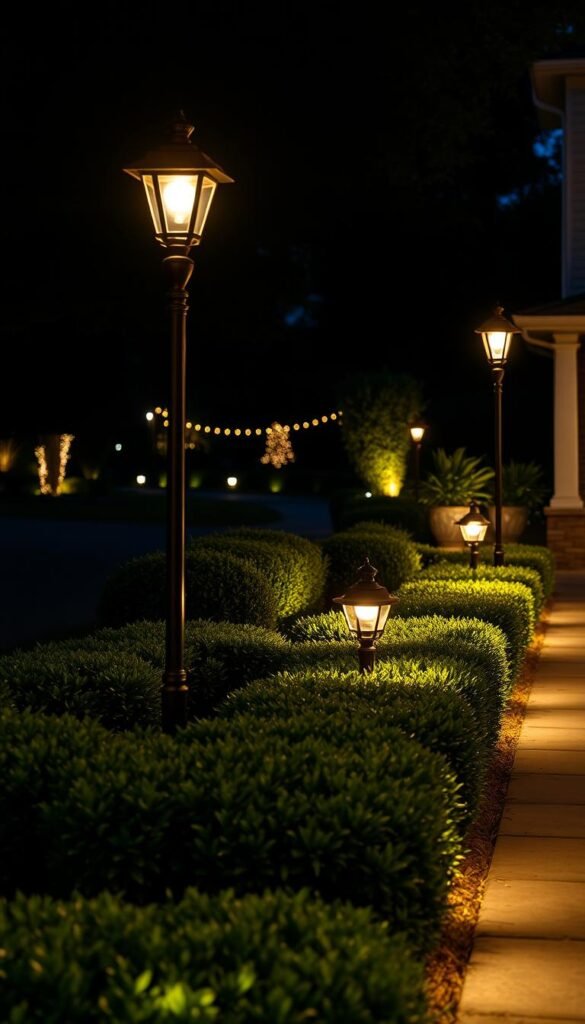
Choose energy-saving lights like solar or LED bulbs. They're good for the planet. Smart lighting systems let you control lights from your phone. This adds convenience and security.
Creating a Seating Area
A seating area makes your front yard inviting and useful. Set up a cozy spot with outdoor furniture like a bench or patio set. Add throw pillows and a side table for style.
Choose furniture that matches your home's look. Add ambient lighting like string lights or a fire pit for warmth. Greenery, like plants or a garden, adds a natural touch.
These features enhance your front yard's beauty and create a welcoming space. They encourage relaxation and socializing.
8. Sustainable Landscaping Practices
I'm excited to share my insights on sustainable landscaping. It has transformed my outdoor space into an eco-friendly haven. Adopting sustainable landscaping practices reduces our environmental impact and creates a beautiful, resilient outdoor space.
Sustainable landscaping means making choices that benefit you and the planet. It's a holistic approach that considers the local ecosystem, conserves resources, and promotes biodiversity. By using sustainable practices, you'll enhance your home's curb appeal and contribute to a healthier environment.
Drought-Resistant Plants for Water Conservation
Choosing drought-resistant plants is a simple way to make your landscape more sustainable. These plants thrive in dry conditions, reducing the need for frequent watering. Succulents like aloe and agave, and native grasses and wildflowers are great options. They conserve water and create a unique, visually appealing outdoor space.
Implementing Rain Gardens for Stormwater Management
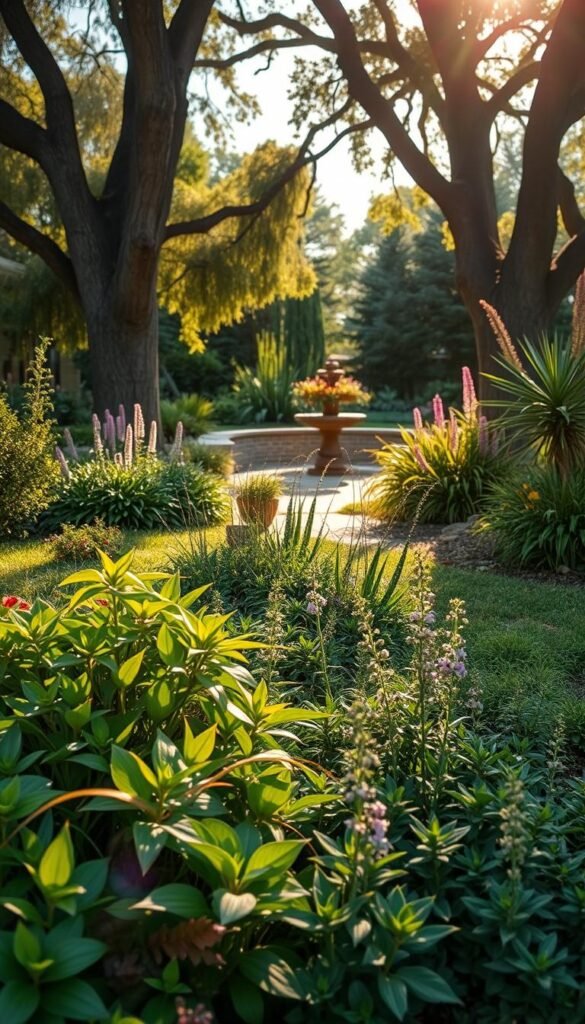
Implementing rain gardens is another effective sustainable landscaping practice. A rain garden collects and filters rainwater, reducing stormwater runoff and recharging groundwater. By creating a rain garden, you'll reduce the burden on your local stormwater drainage system and create a habitat for local wildlife. Choose a location that naturally collects rainwater and plant native flowers, shrubs, and grasses that thrive in wet conditions.
By adopting these sustainable landscaping practices, you'll create a more eco-friendly outdoor space. You'll reduce your environmental impact and enhance your home's beauty and value. I'm confident that with these tips, you'll create a sustainable landscape that benefits both you and the planet.
9. Seasonal Maintenance Tips
I'm excited to share how to keep your front yard looking great all year! Seasonal maintenance is key to keeping your landscape beautiful and healthy. By changing your care routine with the seasons, your outdoor space will stay vibrant and welcoming.
Preparing for Winter
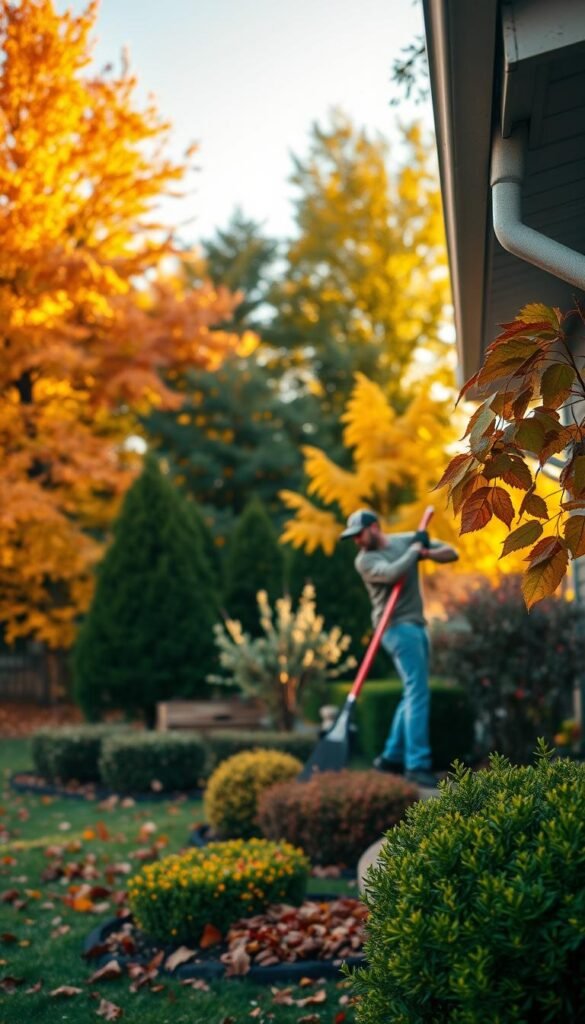
When winter comes, it's important to get your landscape ready. Start by cleaning up debris like leaves and branches. This makes your yard look better and prevents damage from rotting plants.
Then, think about protecting your plants from frost. Use covers or move potted plants inside if you can. For plants that can't be moved, add mulch to keep roots warm. Also, drain your irrigation system to avoid pipes freezing and bursting.
Spring Cleaning and Planting
With winter over, spring is the best time to refresh your landscape. Start with a deep spring cleaning, getting rid of winter debris. Check your plants for damage and trim them to encourage growth.
Spring is also great for planting new flowers, shrubs, or trees. Pick plants that fit your climate and soil. Add compost or fertilizer to give your plants a boost. By following these tips, your front yard will be beautiful all year.
10. Engaging Professional Help
Creating a stunning front yard landscape can be tough. Sometimes, you need professional help. I love working with a landscape designer to make my vision come true!
If you're feeling overwhelmed or unsure about your landscaping project, hiring a professional is a smart choice. A skilled landscape designer can help you create a beautiful outdoor space. It will reflect your personal style and meet your needs.
Expert Guidance
So, when should you consider hiring a landscape designer? If your yard layout is challenging or you want to add complex features like patios or retaining walls, seek expert guidance. A professional can help you overcome these challenges and ensure a successful outcome.
Finding the Right Professional
Before hiring a landscape designer, ask a few key questions. What experience do they have with projects like yours? Can they provide references or examples of their work? What is their design process, and how will they work with you to bring your vision to life?
By asking these questions, you can find a qualified professional. They will help you create a breathtaking front yard landscape.