
Imagine a place where your garden’s story unfolds page by page. A garden journal isn’t just a notebook—it’s a living record of growth, creativity, and discovery. Whether you’re nurturing herbs, flowers, or vegetables, a garden journal helps you track progress and spark inspiration.
From planting dates to bloom colors, every detail matters. A creative garden planner turns everyday observations into a personalized guide. Use sketches, notes, or photos to celebrate successes and learn from challenges.
This guide explores how to build a journal that works for you. Discover tools, tips, and ideas to make your entries meaningful. Every entry becomes a step toward becoming a more confident, skilled gardener.
Why Keep a Garden Journal?
Turning a plot of soil into a thriving garden takes patience and learning. A garden journal is your silent partner in this journey. It blends practicality with creativity. Imagine a tool that tracks progress, sparks ideas, and grows with your plants—this is the power of keeping a garden journal.
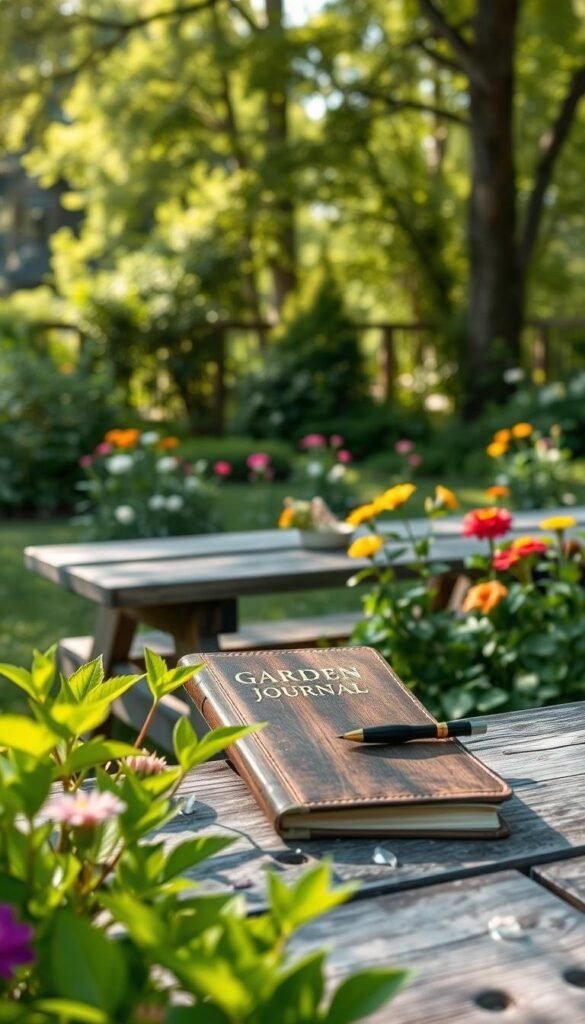
Benefits of Documenting Your Garden Journey
Recording planting dates and weather patterns helps avoid past mistakes. Here’s how it pays off:
- Improved plant choices: Note which flowers or vegetables thrive in your soil.
- Memory aid: Remember bloom times or pest outbreaks without relying on memory alone.
- Emotional connection: Jotting down moments—like the first tomato ripening—creates lasting memories.
How Journaling Enhances Gardening Skills
Outdoor writing inspiration comes alive when you observe details. Sketch leaf shapes, rate soil moisture, or list pollinators visiting your blooms. Gardening diary prompts like “What worked this week?” or “What will I change next time?” sharpen problem-solving skills. Over time, these entries reveal patterns. For instance, noticing that marigolds deter pests might lead to smarter companion planting choices next season.
Every entry builds confidence. Beginners and experts alike gain clarity by reflecting on successes and setbacks. Your journal becomes a living record of growth—both in plants and knowledge.
Essential Supplies for Your Garden Journal
Choosing the right supplies makes all the garden log layout ideas come to life. Start by deciding between traditional or digital tools to match your style.
Types of Journals: Traditional vs. Digital

Traditional journals offer a tactile appeal. Choose weatherproof sketchbooks like Moleskine or Rite in the Rain notebooks. Ring binders let you add pages for plant journal tips or photos.
Digital options include apps like PlantSnap or Google Sheets for spreadsheets. Pair apps with cloud storage to keep records safe.
Must-Have Tools for Garden Record Keeping
Equip your setup with these basics:
- Waterproof pens (e.g., Staedtler Norisport) for outdoor use
- Measuring tape or ruler to track plant growth
- Plant tags or labels for garden beds
- Camera or smartphone for photo entries
Stay organized with dividers or color-coded tabs. For digital users, invest in a stylus for touchscreen notes. Consistency in layout helps track seasons year after year.
What to Include in Your Garden Journal
Start by knowing what details are most important. Record the key points to improve your garden next year. Use horticultural note-taking to keep your efforts organized and avoid mistakes.
Planting Dates and Varieties to Track
Write down when you planted seeds or moved in transplants. List the plant names, seed brands, and where you bought them. Track important growth points like the first blooms or harvests. For example: “Tomato ‘Early Girl’ planted March 15, sourced from Burpee—first fruit June 10.”
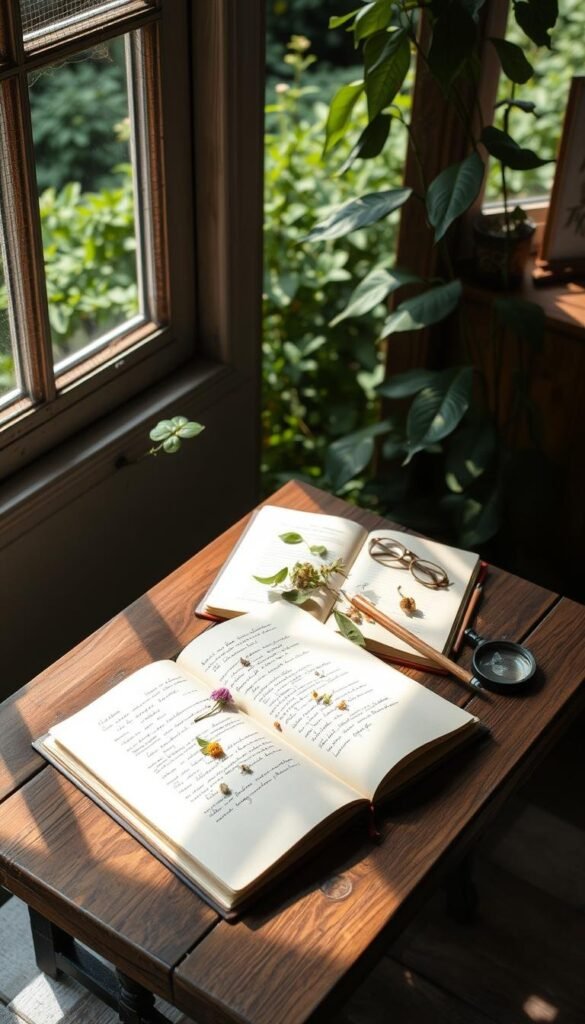
Weather Patterns and Their Impact
Weather greatly influences your garden. Log the daily highs and lows, rainfall, and frost dates. Note how extreme weather affects your plants. Use botanical log prompts like: “June 12: 100°F temperatures caused wilting in rose beds.”
“Tracking weather patterns helps predict bloom times and plan care strategies.”
Pest and Disease Management Notes
Record when you see pests, the treatments you use, and how they work. For instance: “June beetles spotted July 1—applied neem oil twice, reduced damage by 50%.” Also, note fungal problems like mildew and the sprays you use. Compare this with weather data to find patterns.
Use short cuts and symbols to make your journal easier to read. Aim for clarity, not perfection. As you keep a journal, you'll start to see patterns that help you garden better.
Creative Ways to Personalize Your Garden Journal
Make your garden log a creative garden planner that shows off your style. It doesn't matter if you're new to gardening or have years of experience. Small changes can turn your pages into art. Start by trying out garden log layout ideas that mix function with flair.
Incorporating Photos and Artwork
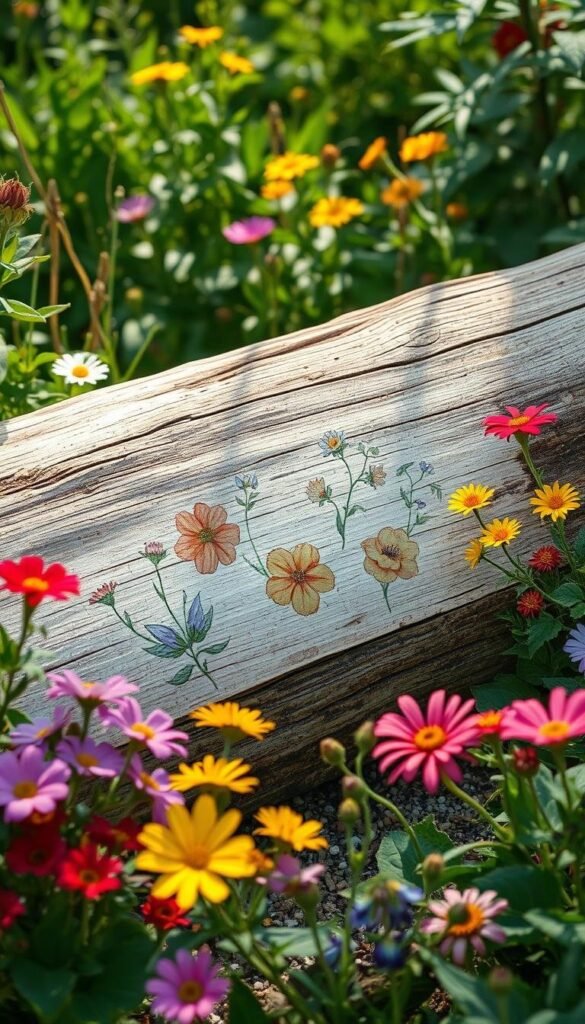
Decorate your journal with pressed flowers or sketches of flowers. Use your phone to take pictures of plants as they grow. Layer images with notes for a blend of art and information.
Using Stickers and Decorative Elements
Make your journal pop with garden-themed stickers. Use washi tape in natural colors for borders. Turn blank pages into art with rubber stamps or dried petals.
The Power of Color Coding Entries
- Use red for tomatoes, blue for shade plants
- Yellow for harvest dates
- Green for pest notes
Color coding makes your records easy to follow. Match colors with symbols like ✅ for good plants or ❌ for failures.
Monthly Gardening Logs: A Complete Guide
Seasonal changes are great times to update your garden journal. Use gardening diary prompts or nature recording suggestions to make your observations useful. Here's how to track your garden's growth, solve problems, and celebrate your achievements all year.
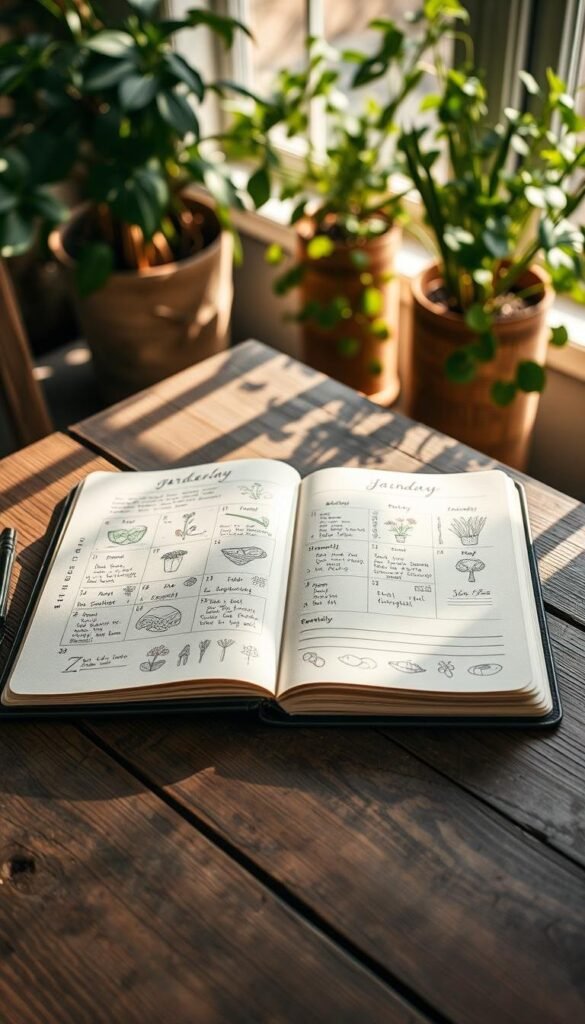
January: Planning for the Year Ahead
Winter is a perfect time for planning. Start with these ideas:
- Sketch new garden layouts or tweak last year’s design flaws
- List seed catalogs you’ve ordered and why specific varieties caught your eye
- Review past weather patterns to adjust planting timelines
April: Spring Planting Reflections
As frost goes away, focus on:
- Log first sprout dates for key plants
- Track soil temperature changes with thermometer readings
- Note pest appearances and control methods tried
“Recording soil temp shifts helped me time tomato planting perfectly this year.” – Urban Grower Blog
September: Harvest and Review
End the season with:
- Calculate total harvest weights for top crops
- Map plant locations to rotate next year’s beds
- Save seeds with notes on germination success
Adjust these nature recording suggestions for your area. Need help? Check USDA planting zones online for regional timing tips.
Tips for Writing Engaging Entries
Make your garden journal come alive with these tips. Whether you're tracking plants or capturing moments, these strategies will make your notes meaningful.
Keeping It Simple and Consistent
Consistency is key, not perfection. Here are some quick tips:
- Quick daily notes: jot down sunlight hours or harvest dates in 2 minutes.
- Weekly templates: save space for regular checks like soil moisture or pest updates.
- Busy-day shortcuts: snap a photo and add a one-word tag like “bloom surge” or “drought alert.”

Using Descriptive Language and Imagery
“A journal is a conversation with the earth.”
Make your entries vivid by using all your senses. Describe the crisp scent of rosemary after rain or the velvety petals of a peony. Mix technical details with poetic words—like noting “tomato vines sprawled like green lace over trellises.”
Try botanical log prompts like these:
- Describe the sound of wind through your bamboo grove.
- Capture the color shift in maple leaves at sunset.
- Sketch + label the lifecycle of a butterfly visitor.
Remember, there's no "wrong" way to document your garden. Let these ideas inspire your own unique style!
Crafting Garden Goals and Dreams
Make your garden journal a guide for growth. It can help you achieve anything from mastering container gardening to creating a large vegetable garden. Here's how to begin.
Setting Seasonal Gardening Goals
Break down big goals into smaller steps with these plant journal tips:
- Write down 1-2 seasonal goals (like “plant 5 new herbs by June”).
- Sketch a timeline in your journal to track progress weekly.
- Note challenges and adjustments in your entries.
Long-Term Plans for Garden Expansion
Use your creative garden planner to plan big:
- Outline a 3-year plan for adding a pergola or water feature.
- Design a perennial border by listing plants to introduce each spring.
- Track soil improvement projects over multiple seasons.
“A garden is a grand teacher. It teaches patience and careful thought.” — Unknown
Check your entries every year to celebrate your progress. Small steps today will grow into your dream garden tomorrow.
Seasonal Themes to Explore in Your Journal
Make your garden journal a year-round journey with gardening diary prompts and nature recording suggestions for each season. Watch your garden grow through seasonal themes that mix practical tips with creative ideas.
Spring Blossoms: Celebrating New Growth
Spring brings new life. Note the first crocus or the return of pollinators. Track soil temperature and sunlight changes as days get longer. Try this prompt: “Describe the scent of freshly turned soil after a spring rain.”
Summer Bounty: Tracking Produce and Blooms
Summer is full of color and flavor. Use nature recording suggestions like counting tomato yields or mapping blooms. List daily watering during droughts and sketch sun patterns on plants. Ask yourself: “What’s the most surprising plant pairing this season?”
Autumn Reflections: Preparing for Winter
Autumn invites us to slow down and reflect. Document frost dates, seed-saving, and leaf compost. Use prompts like: “Write about the sound of rustling leaves underfoot.” Note winterizing steps and favorite autumn scents.
- Spring: Photograph emerging shoots and compare with last year’s growth
- Summer: Rate plant health on a 1–5 scale each month
- Autumn: Create a “best/worst” list of seasonal successes and challenges
Incorporating Nature Observations
Expand your garden journal to include wildlife visits. Outdoor writing inspiration grows by observing birds, insects, and small creatures. These notes show how your garden supports local ecosystems.
Birdwatching: Noting Feathered Visitors
Track seasonal changes by logging bird sightings. Note:
- Species names and arrival dates
- Preferred feeding or nesting spots
- Which plants attract them (e.g., sunflowers for finches)
Sketch or describe behaviors like mating rituals or feeding patterns. This helps identify plant choices that benefit local bird populations.
Wildlife Interactions: Learning from Nature
Record visits from pollinators, beneficial insects, or curious mammals. Use nature recording suggestions like:
- Date and time of encounters
- Plant affected (e.g., "butterflies on lavender")
- Positive or negative impacts (e.g., ladybugs eating aphids)
Track how pests or predators influence plant health. For example, note if slug damage decreases after adding frog habitats.
Use your journal to map seasonal patterns—like when bees disappear or when moths emerge. These entries turn your garden into a living case study of ecological balance.
Digital Garden Journals: The Modern Approach
Exploring modern Garden Journal Ideas means embracing technology. Digital tools offer fresh ways to track plants and grow. Apps simplify tracking, making it easier to document growth and harvests. Let’s look at top tools and how they compare to paper methods.
Best Apps for Garden Journaling
Top apps like Garden Plan Pro, Plotly, and HappyPlant lead the way. These apps let users map layouts, log planting dates, and sync weather data. Many include photo galleries and search features. Free versions exist, while premium options offer advanced tools like soil pH tracking or pest management guides.
Pros and Cons of Digital vs. Traditional Journals
Digital journals save space and allow easy sharing. Backups prevent loss, and search functions make finding past entries quick. Yet, tech reliance can be a downside—no power means no access. Traditional journals offer tactile appeal and creativity but lack searchability. Plant journal tips suggest choosing based on personal style. Tech lovers may prefer app reminders and data analysis, while others enjoy sketching or pressing flowers in paper books.
Whether digital or paper, the key is consistency. Both methods help gardeners learn and grow. The right choice depends on what keeps you inspired to document every bloom and harvest.
Sharing Your Garden Journal with Others
Garden journals aren't just for yourself—they can connect you with others. Whether you use horticultural note-taking or botanical log prompts, sharing your insights can bridge gaps. Here's how to share your garden's story while keeping it personal.
Connecting with Other Gardeners In Person
Meet other gardeners at a local plant swap or start a garden club. Share parts of your journal to show how botanical log prompts help track plant growth. Experienced gardeners can guide newcomers by sharing their notes.
“A journal's pages hold stories waiting to inspire,” says the National Garden Bureau’s guide on community gardening.
Social Media & Online Sharing Tips
- Post horticultural note-taking photos with hashtags like #GardenJournal or #PlantLovers.
- Use apps like Instagram or Pinterest to pin your growth charts.
- Join groups like #GardenDiaries on Facebook to share tips from your journal.
- Keep personal info safe by sharing only non-sensitive data, like flower color changes.
Sharing small details can start big conversations. Your journal might help a neighbor fight aphids or inspire a friend's first tomato plant. Every shared note can plant a seed for collaboration.
Conclusion: The Lasting Legacy of Your Garden Journal
Every page of your garden journal is more than just dates and plant names. It tells a story that only you can share. These entries guide you through discoveries, challenges, and the joys of growing life from the ground up.
Reflecting on Your Gardening Journey
Looking back at your journal, you see how you've grown. You remember the first sprout of a seedling, a crop that didn't work out but taught you to keep going, and the season you mastered growing plants together. Each entry shows your journey, from learning to making confident choices.
How Journaling Inspires Future Generations
Heirloom plants are passed down, but your journal holds wisdom. Your notes on soil care or the best times for blooms can help your family and neighbors years later. A grandchild might use your journal to grow a forgotten rose, or a neighbor might find tips for gardens that don't need much water.
Your journal is a source of inspiration for others. It can be shared online or kept private, but it turns moments into lasting knowledge. Start writing today. Every note, pressed leaf, or photo adds to your garden's story, connecting past and future.