Welcome to your go-to guide for mastering vegetable gardening success. This Vegetable Planting Calendar is designed to help gardeners across the U.S. plan every step of their growing season. It covers everything from the first seed to the final harvest. Whether you’re in frost-prone regions or sunny southern states, this resource adapts to your local climate zone.
A well-planned vegetable gardening calendar ensures plants thrive by aligning their growth cycles with nature’s rhythms. Timing is key. It determines which seeds to sow in early spring versus summer. This avoids costly mistakes like planting tomatoes too early or delaying greens until it’s too late.
From the cool Northeast to the arid Southwest, this guide breaks down monthly planting strategies. Discover how to extend your growing season with frost blankets. Also, learn to select cold-tolerant varieties and rotate crops to boost yields. No matter your skill level, following these guidelines turns uncertainty into a thriving garden.
Understanding the Importance of a Planting Calendar
A vegetable planting guide turns guesswork into a plan. It matches planting times with nature's cycles. This way, gardeners can achieve the best results. Let's see how timing affects your garden's growth.
Why Timing Matters
Planting at the wrong time can lead to failed seeds or slow growth. Here's why timing is key:
- Optimal germination rates when soil and air temps match crop needs
- Prevents stress from frost or heatwaves
- Reduces disease risks by aligning with natural growth cycles
Seasonal Vegetable Growth Patterns
Plants grow best in certain seasons. Cool-season crops like peas and spinach do well in spring. Tomatoes and peppers need summer's warmth. Seasonal vegetable planting follows these natural patterns.
Day length and temperature changes signal when plants grow. Spring crops bolt in summer heat. Fall plantings need early sowing to mature before frost. This approach lets every seed reach its full growth.
Essential Factors Influencing Planting Schedules
Starting a vegetable garden is all about knowing what affects your planting schedule for vegetables. Climate, soil, and light are the main factors. Each one plays a big role in deciding when and where to plant.
Climate Zones in the U.S.
The USDA has divided America into 13 climate zones based on winter temperatures. People in Zone 3, like in Montana, plant peas later than those in Zone 10, Arizona. Use the USDA map to find your zone and adjust vegetable planting dates for local conditions.
Even within zones, early spring frost dates can vary. So, it's important to keep an eye on local weather forecasts.
Soil Quality and Preparation
Cold soil can slow down plant growth. Use a thermometer to check soil temperature. Peas start growing at 40°F, while peppers need 60°F+.
Test your soil pH every year with a $10 home kit. Add compost in winter to improve soil quality. If your soil is too acidic or alkaline, use sulfur or lime to adjust it before planting.
Sunlight Requirements
Most vegetables need at least 6 hours of direct sunlight a day. Leafy greens like lettuce can handle partial shade. But tomatoes and corn need full sun.
In northern states, south-facing plots get more sunlight. Remember, shade from trees in summer can block winter sun. Plan your garden so taller plants don't shade out shorter ones.
Monthly Breakdown of Vegetable Planting
Follow your Vegetable Planting Calendar to master planting timing. This guide turns seasons into opportunities, showing when to plant vegetables for every month of the year.
January to March: Early Spring Planting
Start seeds indoors for crops like broccoli and lettuce. Cold frames or cloches protect direct-sown spinach and peas from late frosts. Use this window to:
- Germinate seeds in trays under grow lights
- Test soil temperature with a thermometer
- Plant frost-tolerant greens outdoors
April to June: Peak Planting Season
Now’s the time to transplant seedlings like tomatoes and peppers outdoors. Adjust planting dates using USDA zone maps—Southern gardens may start earlier than Northern regions. Key crops:
- Tomatoes (after last frost)
- Zucchini and cucumbers
- Beans and corn
July to September: Late Summer Crops
Replant quick-growing lettuce for fall harvests. Extend seasons with row covers. Try these strategies:
- Succession sow beets and carrots
- Plant fall broccoli by mid-August
- Harvest summer squash regularly
October to December: Preparing for Winter
Winterize beds with cover crops like winter rye. In mild climates, grow kale or salad mixes in unheated greenhouses. Tasks include:
- Plant garlic cloves in well-drained soil
- Start indoor herbs like basil
- Compost garden debris to enrich soil
“Timing is half the battle—your calendar keeps the other half.”
Cool-Season Vegetables to Plant
Cool-season vegetables do well in spring and fall. They're great for starting your garden early. Use the vegetable planting chart to find out when to plant in your area. These plants handle frost and cooler soil, giving you a big harvest before it gets hot.
Best Varieties to Start in Early Spring
Go for cold-tolerant types like lettuce, spinach, and peas for early planting. Some top picks are:
- Lacinato kale for steady growth in cold weather
- ‘Sugar Snap peas’ that grow fast in mild temps
- ‘Early Wonder snow peas’ for pods that resist frost
“Timing is key—plant these varieties 4-6 weeks before your last spring frost date for optimal results.” – USDA Gardening Guide
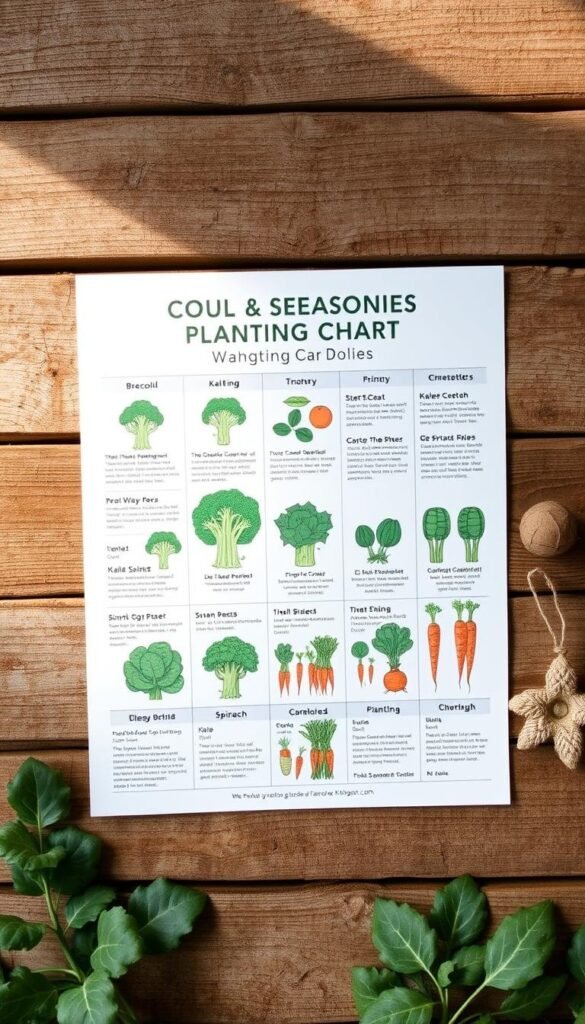
Planting Techniques for Cool-Season Crops
Here's how to succeed:
- Direct-sow seeds ½ inch deep in well-drained soil.
- Space seedlings 6-12 inches apart for good airflow.
- Use row covers to protect plants from late frosts.
For soil under 70°F, don't wait to plant. Check the vegetable planting chart for the right time in your zone. Many, like radishes and arugula, grow best when planted in the early morning or evening. This helps keep the soil moist.
Warm-Season Vegetables to Plant
Warmer months are perfect for gardens full of juicy tomatoes and crisp cucumbers. Use your vegetable planting guide to plant seeds after the last frost. These plants love soil that's at least 60°F. Check your vegetable planting dates based on your USDA zone.
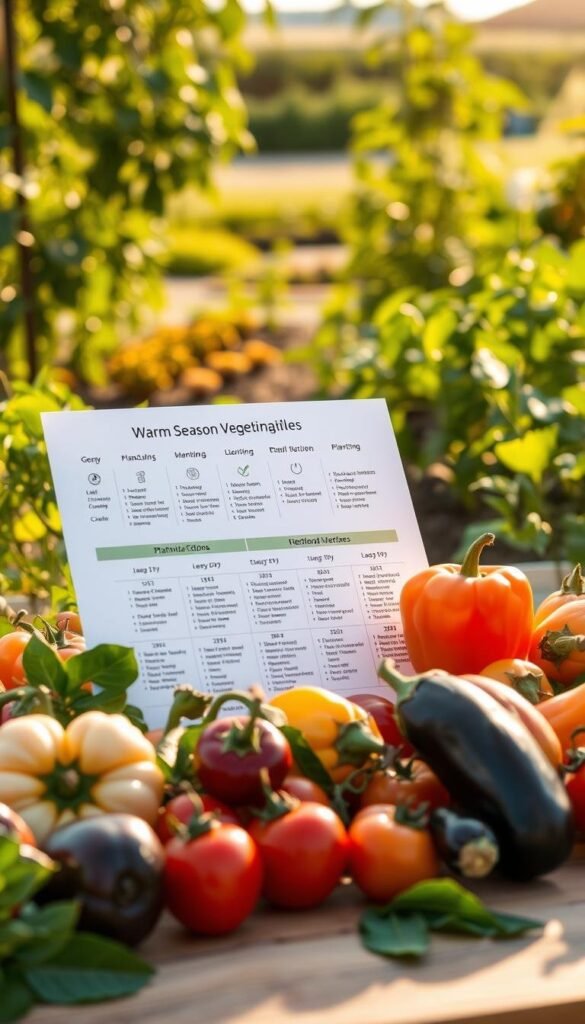
Top Choices for Mid-Spring and Summer
- Tomatoes: ‘Early Girl’ (Southeast) or ‘Cherokee Purple’ (West)
- Peppers: ‘Jalapeño’ (Texas) and ‘California Wonder’ (Midwest
- Cucumbers: ‘Sweet Success’ (North) and ‘Marketmore 76’ (South
- Melons: ‘Crenshaw’ (California) and ‘Honeydew’ (Arizona
Tips for Growing Warm-Season Vegetables
Keep seedlings safe from late frosts by hardening them off slowly. Here's what to do:
- Wait until nights stay above 55°F
- Mulch soil to keep moisture in
- Water deeply at soil level, not leaves
- Rotate crops yearly to avoid disease
“Sunscald hits plants in full sun—shade young veggies with row covers during extreme heat.”
Use local extension service guidelines to adjust planting dates. Sow beans and squash every 2-3 weeks for a steady harvest. These tips make summer's heat a time for fresh garden flavors.
Crop Rotation and Companion Planting
Make your garden healthier and more productive with seasonal vegetable planting tips. Crop rotation and companion planting help keep the soil fertile and pests away. These methods turn gardening into a science of growth.
Benefits of Crop Rotation
Rotating crops yearly stops soil from losing nutrients and pests from building up. Here's how it works:
- It prevents diseases by moving plant families every season.
- It makes soil richer—legumes add nitrogen, then heavy-feeding crops.
- Use a 3-year rotation plan in your calendar for the best results.
“Crop rotation is nature’s reset button for fertile soil.”
Ideal Companion Plants
Choose plants that help each other, like these great pairs:
- Three Sisters: Corn, beans, squash (shaded soil + natural pest control).
- Tomatoes + marigolds: Marigolds keep harmful insects away.
- Cucumbers + radishes: Radishes keep cucumber beetles off.
Put these pairs in your vegetable gardening calendar for a garden that takes care of itself. Adjust spacing and planting dates for the season. Try small sections first to see what works in your area!
Common Planting Mistakes to Avoid
Every gardener faces setbacks, but some errors can be easily prevented. Knowing the best time to plant vegetables and following your planting schedule helps avoid frustration. Let’s look at two mistakes that trip up even seasoned growers.
“Frost is a fickle friend—plan for it, but stay flexible.”
Misjudging Frost Dates
Reliance on USDA zones alone often leads to early frost surprises. Check local weather forecasts and microclimate cues like soil temperature or neighboring plant behavior. Apps like AccuWeather or local cooperative extensions provide precise local data. If frost hits, cover plants with breathable fabric or row covers overnight. Recovery starts with gentle care—prune damaged leaves once the threat passes.
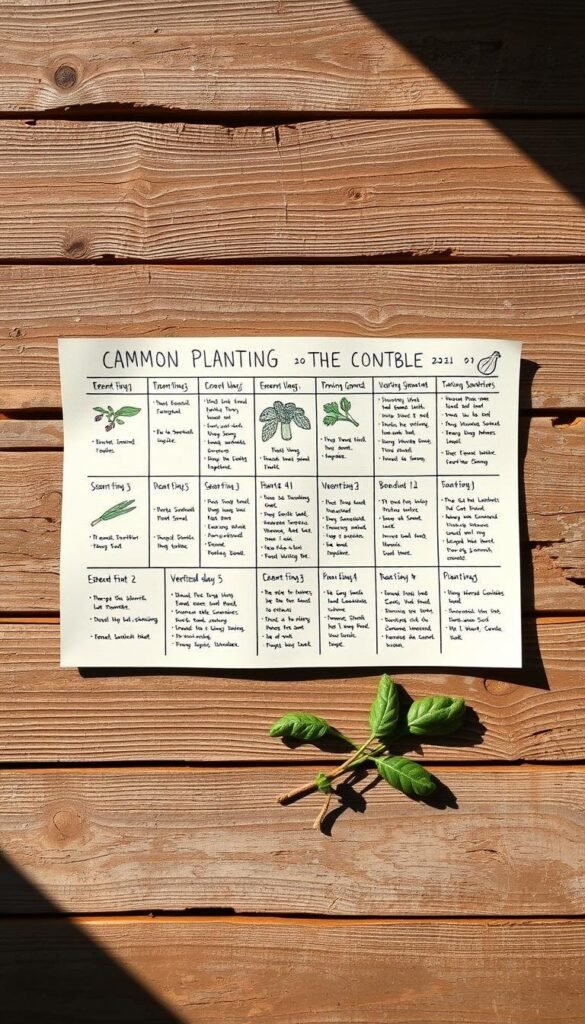
Planting Too Deep or Shallow
Seeds sown at wrong depths struggle to sprout. Follow these guidelines for common veggies:
- Carrots: Plant seeds ½ inch deep; shallow planting dries them out.
- Tomatoes: Bury stems up to the first leaves to encourage strong roots.
- Beans: Bury twice their seed size—too deep delays germination.
Always check seed packets for specifics. Adjusting depth ensures healthy starts, so your planting schedule stays on track.
Gardening grows with experience. Learning from these missteps turns setbacks into smarter strategies for next season’s planting schedule for vegetables.
Resources for Your Vegetable Garden
Grow your gardening skills with tools and communities that make success easier. Trusted books and websites offer detailed vegetable planting charts and Vegetable Planting Calendar guides for your area.
Recommended Gardening Books and Websites
- The Vegetable Gardener’s Bible by Edward C. Smith
- Mother Earth News offers regional vegetable planting calendar downloads
- Gardener’s Path app for customized planting reminders
Apps like Vegetable Planting Calendar Pro use local weather data for exact timing.
Local Extension Services and Gardening Clubs
Get help from county USDA Cooperative Extension offices for free soil tests and advice for your zone. Join clubs like Master Gardeners for workshops and seed swaps.
“Community gardens turn challenges into shared victories.” – Local Growers Network
Use these resources to create a garden that flourishes all year. Explore clubs, apps, and books to master seasonal planting.
Planning Your Garden Layout
Your vegetable planting guide comes alive when you design a layout that matches your planting schedule. Pairing where plants grow with when they grow ensures space stays productive all year. Start by mapping your garden bed with your calendar in mind.
Designing Efficient Garden Rows
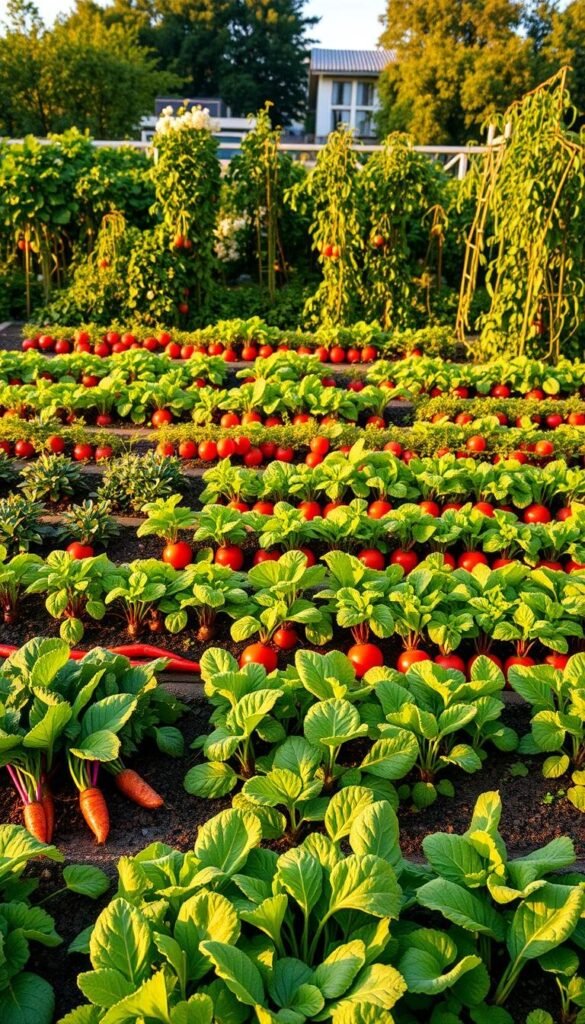
Arrange plants based on their height and harvest dates. Taller crops like corn go to the north or east edge to avoid shading shorter plants. Group vegetables with similar needs—like tomatoes and peppers—so they share space and care routines.
Succession planting works best when you plan gaps for replacement crops after harvest. For example, follow early spring lettuce with heat-loving beans in summer.
Using Vertical Gardening Techniques
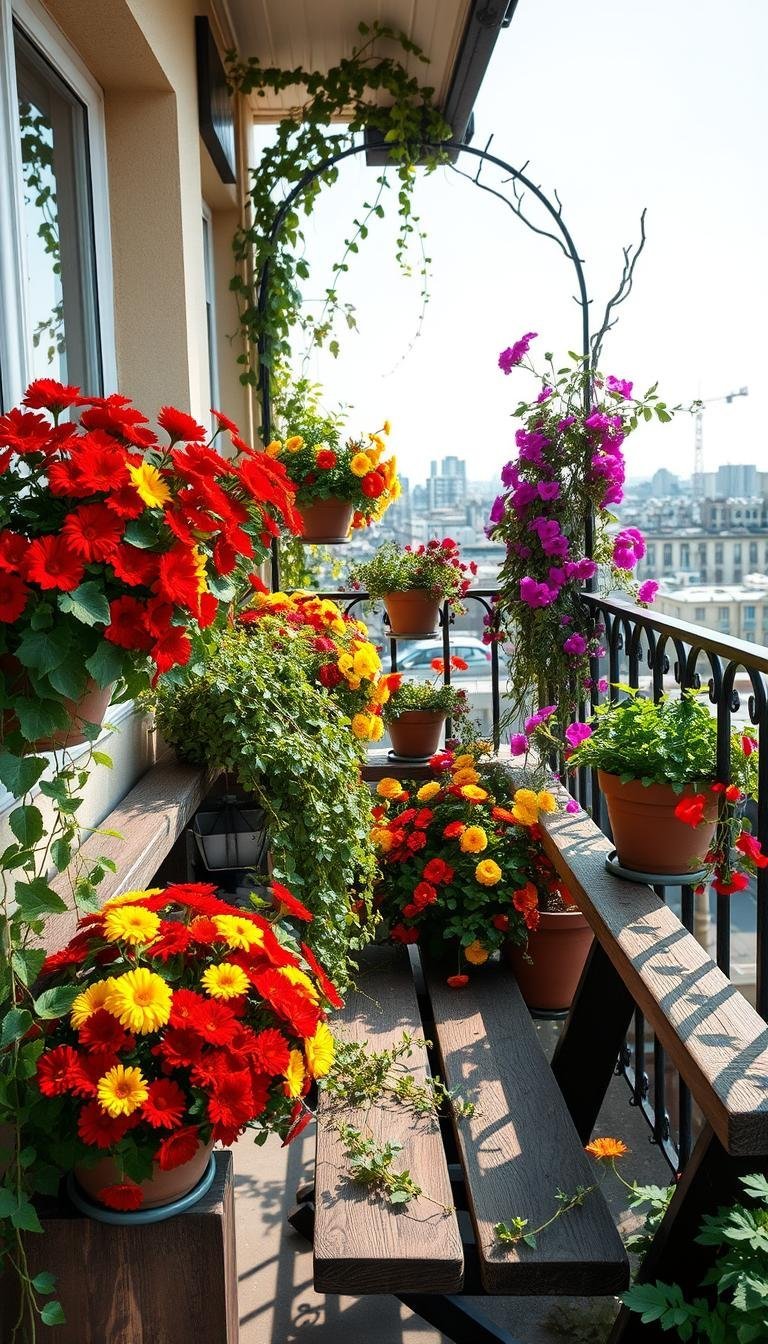
Maximize small spaces using trellises for peas or cucumbers, or stake-based systems for vining crops. Stackable containers let you grow herbs and strawberries vertically on patios. Pair these setups with your when to plant vegetables timeline: install trellises early for peas sown in March, or set up tomato cages when soil warms in May.
Vertical layers also simplify pest checks and watering routines.