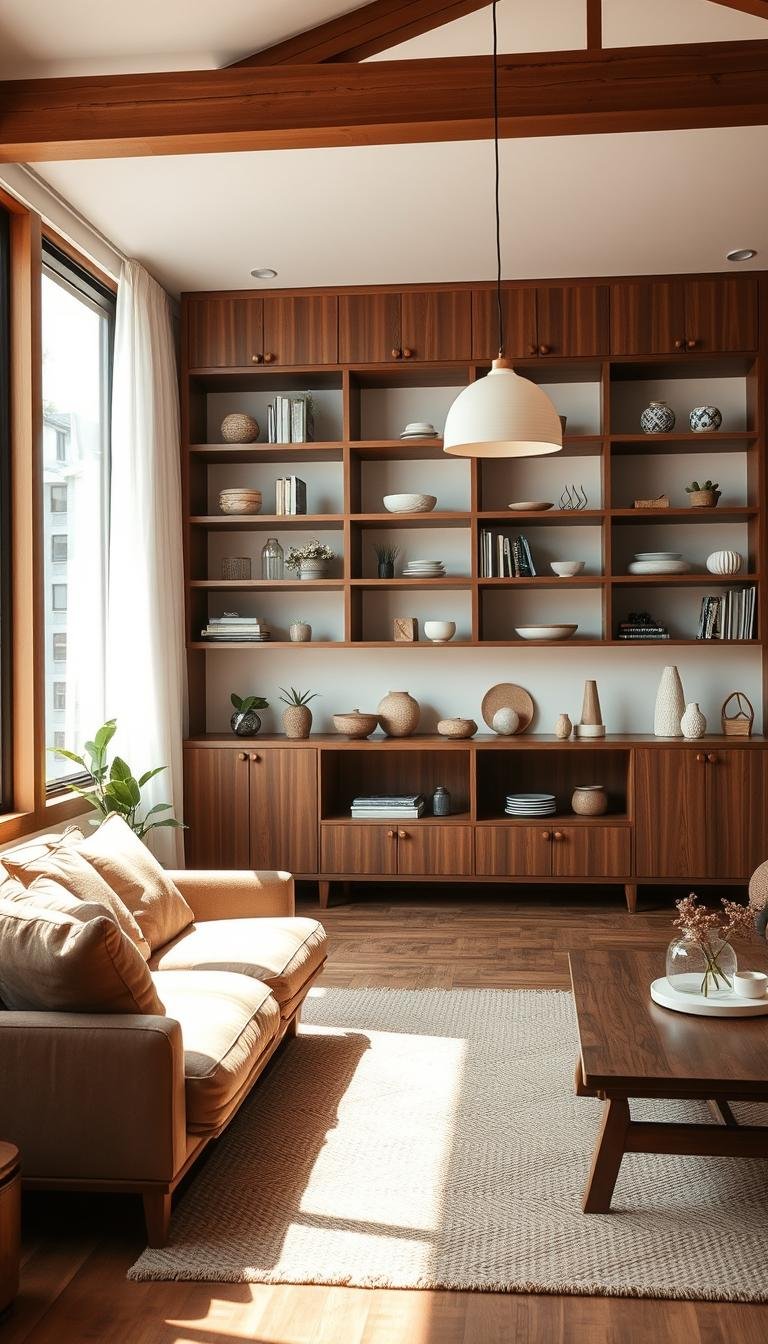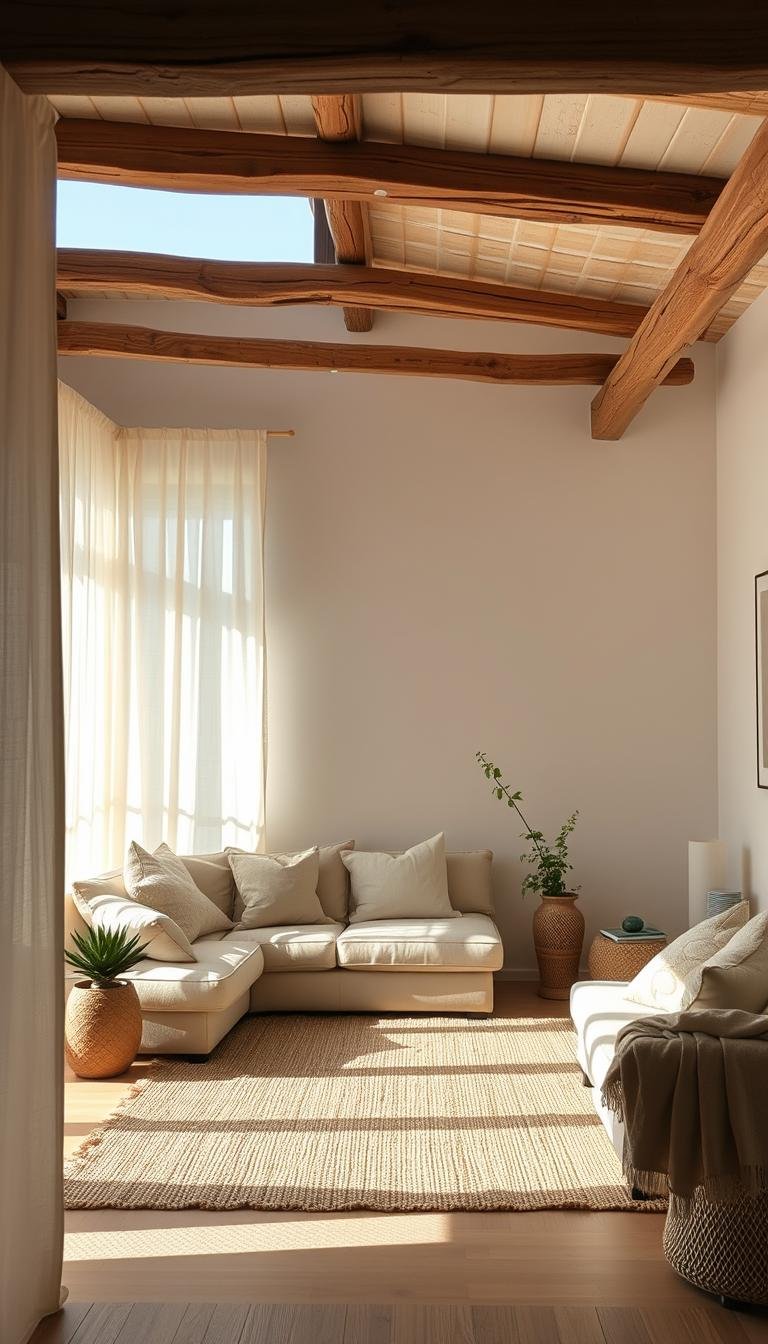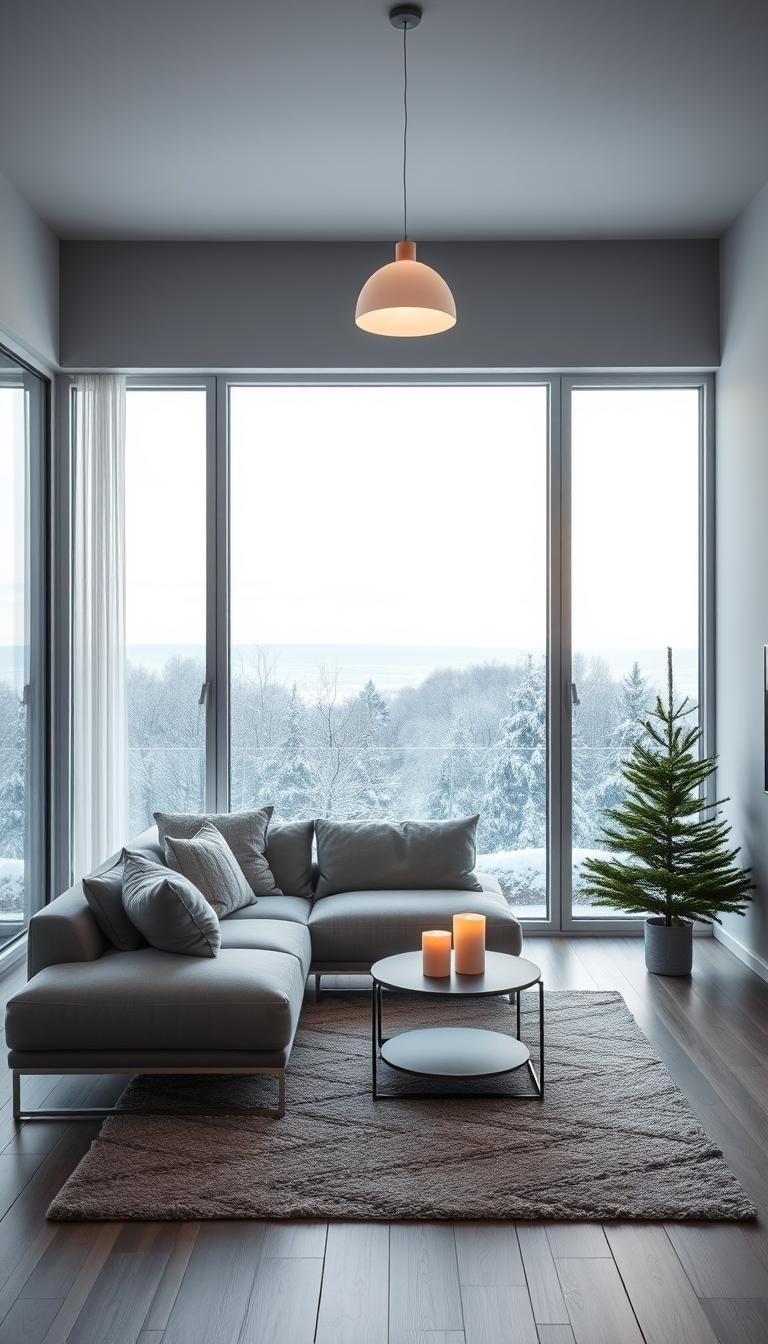
We're excited to explore Japandi interior design. It's a mix of Japanese and Scandinavian styles. This design is great for those who want a calm and tidy living space.
By blending Scandinavian simplicity with Japanese elegance, Japandi creates a peaceful place. It's perfect for anyone wanting a serene and stylish home.
Let's look at how to get this look. Japandi style is all about being minimal yet cozy. It's great for making a minimalist living room that feels elegant and calm.
Key Takeaways
- Create a calm atmosphere with a neutral color palette.
- Incorporate natural textures and materials.
- Emphasize minimalism with simple furniture.
- Use lighting to enhance the ambiance.
- Bring in plants for a touch of nature.
The Origins and Philosophy of Japandi Design
Japandi design blends Japanese simplicity with Scandinavian coziness. This mix creates stunning interiors that value minimalism and function. It's a thoughtful approach to design.
The Fusion of Japanese and Scandinavian Aesthetics
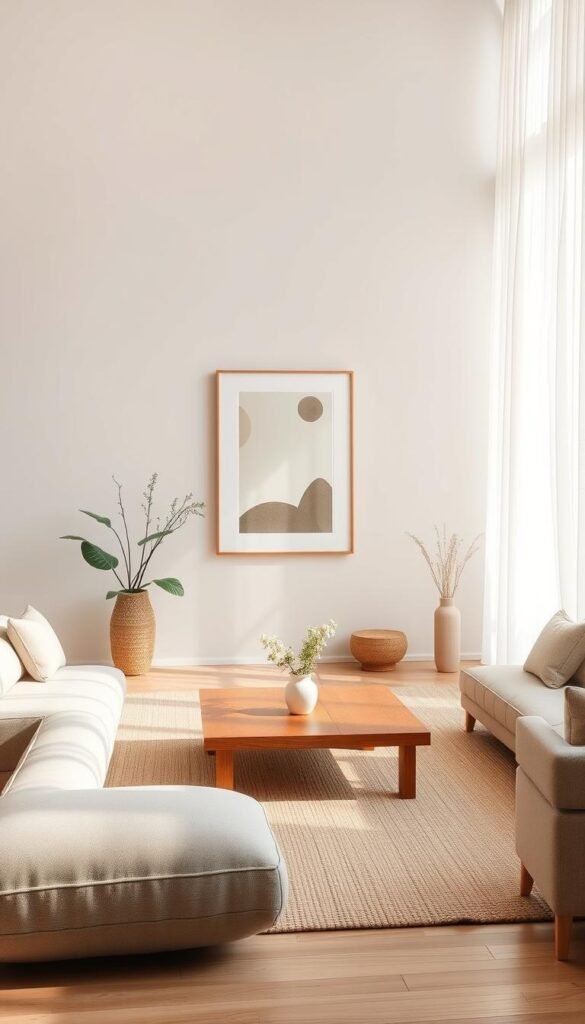
Japandi design is a new term that combines Japanese and Scandinavian styles. It aims to make spaces calm, inviting, and well-made. This style merges the minimalist elegance of Japanese design with the cozy, functional aspects of Scandinavian interiors.
Wabi-Sabi Meets Hygge: Core Principles
The Japandi aesthetic is shaped by wabi-sabi and hygge. Wabi-sabi values the beauty of imperfection and change. Hygge focuses on finding comfort in simple moments.
Embracing Imperfection
Wabi-sabi teaches us to see the beauty in the imperfect and the worn. It's about valuing simplicity and the character that grows over time. Soetsu Yanagi, a Japanese designer, once said, "The beauty of an object is in its imperfection, and its heart is in its simplicity."
Finding Beauty in Simplicity
Hygge, on the other hand, is about creating a warm, inviting atmosphere. It's the feeling of being cozy, surrounded by comfort and joy. In Japandi design, hygge is seen in soft textures, warm lighting, and furniture that invites relaxation.
Japandi design combines these philosophies to create spaces that are both beautiful and comforting. It encourages us to slow down, appreciate the simple things, and find beauty in the everyday.
Key Elements of a Japandi Living Room
Japandi living rooms focus on natural materials, minimalism, and beauty. They blend Scandinavian simplicity with Japanese elegance. This mix creates a peaceful and welcoming space.
Minimalism with Purpose
Minimalism is key in Japandi design. It's about having items that are meaningful and bring happiness. To achieve this, consider:
- Selecting furniture with clean lines and minimal ornamentation
- Using storage solutions to keep clutter at bay
- Incorporating multi-functional pieces that serve more than one purpose
Natural Materials and Craftsmanship
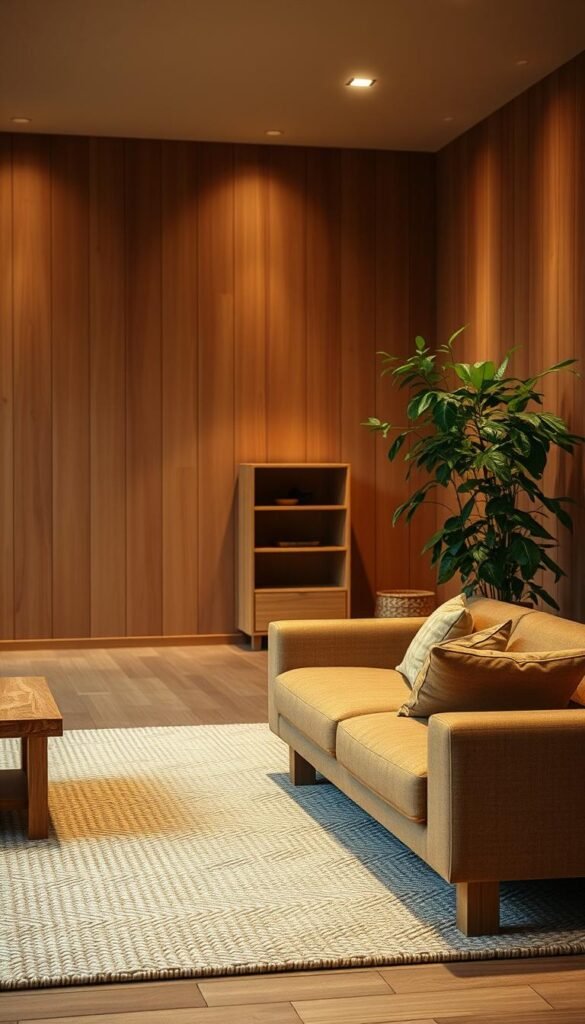
Natural materials are vital in Japandi design. They add warmth and texture. To incorporate them, try:
- Using wood furniture with a natural finish
- Incorporating plants and greenery to bring in a touch of nature
- Adding woven elements, such as rattan or bamboo, to furniture and decor
Functional Beauty in Every Piece
In a Japandi living room, every item should be both beautiful and useful. To achieve this, focus on:
- Choosing furniture that is both stylish and comfortable
- Selecting decor that adds to the aesthetic while serving a purpose
- Incorporating statement pieces that reflect our personal style
By using these elements, we can make a Japandi living room that is both stunning and practical. It will also be a peaceful space.
Creating the Perfect Japandi Color Palette
Let's dive into creating a Japandi color palette that mixes minimalism with warmth. The color scheme is key in Japandi design. It sets the mood for the whole space.
Neutral Base Colors: Whites, Beiges, and Grays
A Japandi color palette starts with neutral base colors. These colors create a calm and serene background. Whites, beiges, and grays are the main colors for this base.
- Soft whites and creams add warmth and coziness.
- Beiges and light grays bring balance and harmony.
- Muted grays add depth without bold colors.
Accent Colors: Muted Blues, Greens, and Earth Tones
After setting the neutral base, accent colors can be added for interest. Japandi design often uses muted blues, greens, and earth tones as accent colors.
| Accent Color | Description | Example Use |
|---|---|---|
| Muted Blues | Adds a calming element | Throw pillows, vases |
| Earth Tones | Bring warmth and coziness | Wood furniture, rugs |
| Soft Greens | Introduce natural elements | Plants, decorative accents |
Balancing Light and Dark Elements
Balancing light and dark elements is key in a Japandi color palette. This balance adds interest and prevents the space from feeling dull.
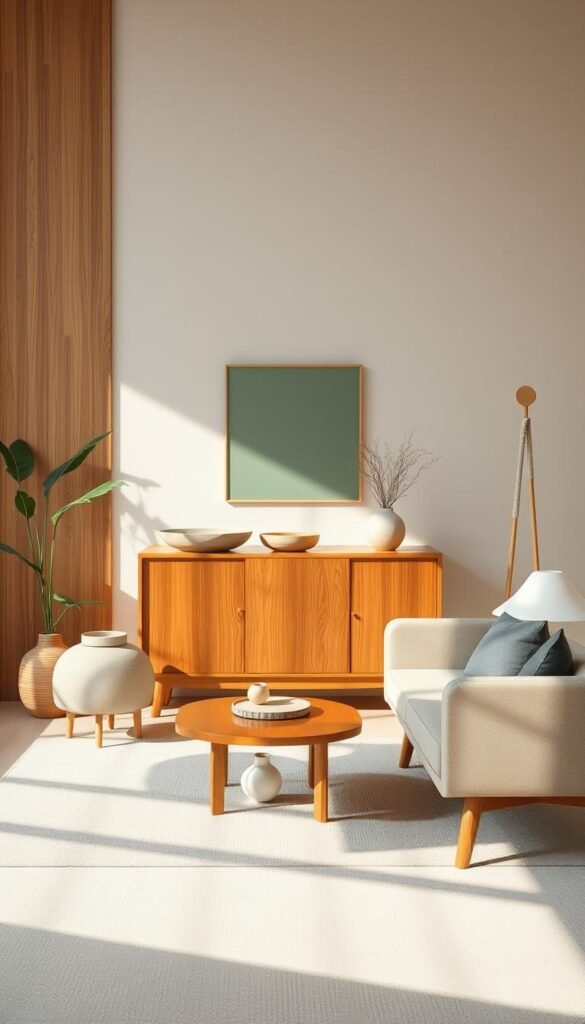
By mixing light neutrals with darker accents, you can create a harmonious and welcoming Japandi living room.
Furniture Selection for Japandi Living Rooms
Choosing the right furniture is key in creating a Japandi living room. It should mix Japanese elegance with Scandinavian comfort. Let's look at the essential pieces that make this style unique.
Low-Profile Seating Options
Low-profile seating is a core part of Japandi design. It brings a sense of calm and openness. This style makes the room look good and feel cozy.
Sofas and Sectionals
For sofas and sectionals, go for clean lines and simple designs. Choose neutral colors. Look for removable covers for easy cleaning and design changes.
- Choose sofas with low backs and slim arms for a minimalist look.
- Sectionals are great for cozy spaces without clutter.
Accent Chairs and Ottomans
Accent chairs and ottomans add style and function. Pick pieces that match your sofa or sectional and add texture.
- Simple, ergonomic chairs keep the minimalist vibe.
- Ottomans offer extra seating or storage, keeping things tidy.
Tables and Storage Solutions
Tables and storage are vital in Japandi design. They should be functional yet stylish. Choose natural materials like wood or bamboo.
- Coffee tables with simple designs keep the room open.
- Storage should be sleek and hidden, keeping clutter away.
Mixing Japanese and Scandinavian Furniture Styles
Japandi's charm comes from blending Japanese and Scandinavian styles. Focus on their shared design principles when mixing them.
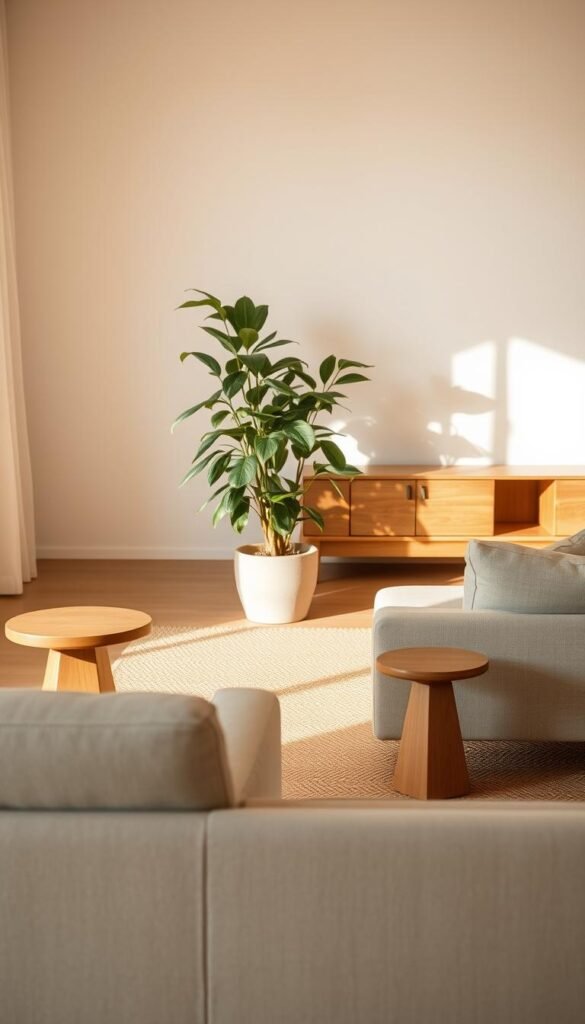
- Pair a Japanese-style sofa with Scandinavian side tables for a unique look.
- Scandinavian storage fits well with Japanese minimalism, creating balance.
Natural Materials: The Heart of Japandi Style
Japandi design loves natural materials for their warmth and real feel. These materials add texture and depth. They also connect us to nature, which is key to Japandi style.
Wood Types and Finishes
Wood is essential in Japandi design. It creates a cozy and welcoming vibe. Oak, beech, and pine woods are favorites. They're often left natural or lightly stained to keep their beauty.
Bamboo, Rattan, and Woven Elements
Bamboo, rattan, and woven items add natural texture to Japandi spaces. They're used in furniture and decor. This brings organic elegance to the room.
Textiles: Linen, Cotton, and Wool
Textiles are vital in Japandi design. Linen, cotton, and wool are top picks. They're loved for their feel and warmth, making rooms cozy.
Choosing the Right Textures
It's important to mix different textures in Japandi design. Combining smooth and rough textures makes the space interesting and layered.
Layering Different Materials
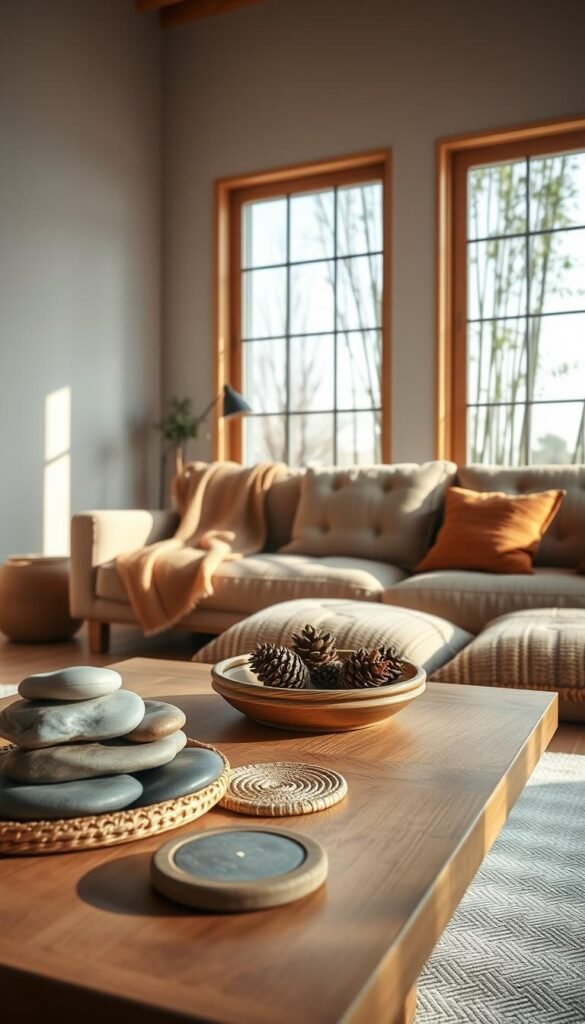
Layering materials makes Japandi interiors rich and inviting. For example, a wooden coffee table with a woven rattan basket and linen upholstery adds depth and interest.
| Material | Characteristics | Uses in Japandi Design |
|---|---|---|
| Wood | Warmth, durability | Furniture, flooring |
| Bamboo/Rattan | Lightweight, flexible | Furniture, decorative accents |
| Linen/Cotton/Wool | Soft, breathable | Upholstery, bedding, curtains |
Designing Your Japandi Living Room Layout
Let's make Japandi living rooms that are peaceful and practical. A good Japandi living room looks great and feels comfortable.
Creating Meaningful Negative Space
Negative space is key in Japandi design. It lets the eye relax and enjoy each piece. To make meaningful negative space, avoid clutter and pick items carefully.
Establishing Focal Points
Focal points catch the eye and add interest. In a Japandi living room, a standout piece of furniture or art can be a focal point. Use natural materials and craftsmanship to highlight these points.
Optimizing Flow and Functionality
It's important to make your Japandi living room flow well and be functional. Arrange furniture so it's easy to move around and talk.
Zoning Techniques
Zoning techniques help set up different areas in the room. Use furniture and rugs to make clear zones for different activities.
Furniture Arrangement Principles
When setting up furniture, think about balance and harmony. Put bigger pieces, like sofas, to create stability. Use smaller pieces to add interest.
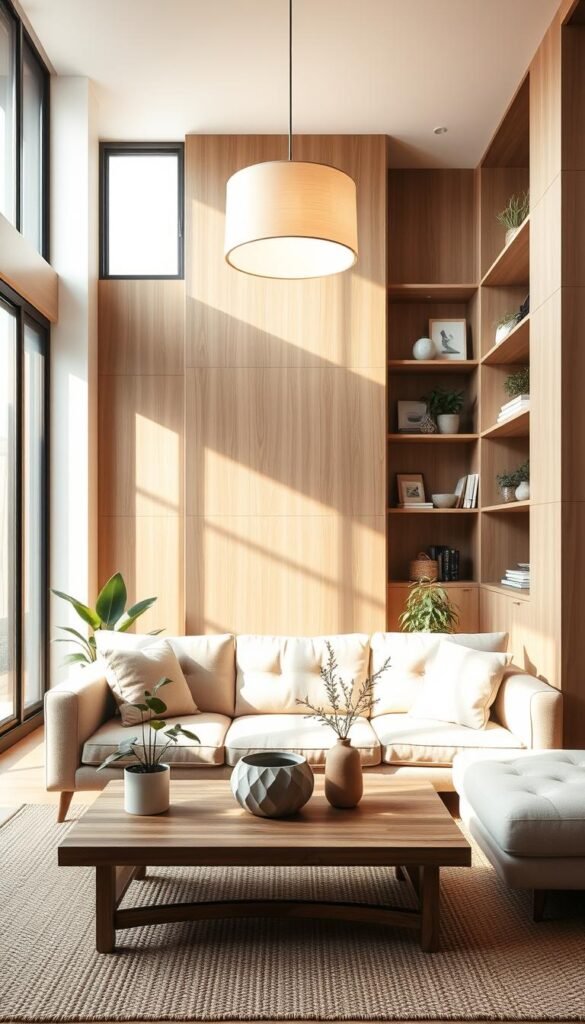
Lighting Strategies for Japandi Interiors
To get the perfect Japandi vibe, think about how you use light. It's key to balance natural and ambient light. Good lighting makes a space look great and feel welcoming.
Maximizing Natural Light
Natural light is essential in Japandi homes. Use sheer curtains or blinds to let sunlight in while keeping things private. This way, we feel closer to nature, which is a big part of Japandi.
Ambient Lighting Solutions
For a cozy feel, soft, warm light is best. Table or floor lamps made from wood or rattan work great. They make your space feel snug, perfect for evening.
Statement Fixtures That Blend Both Styles
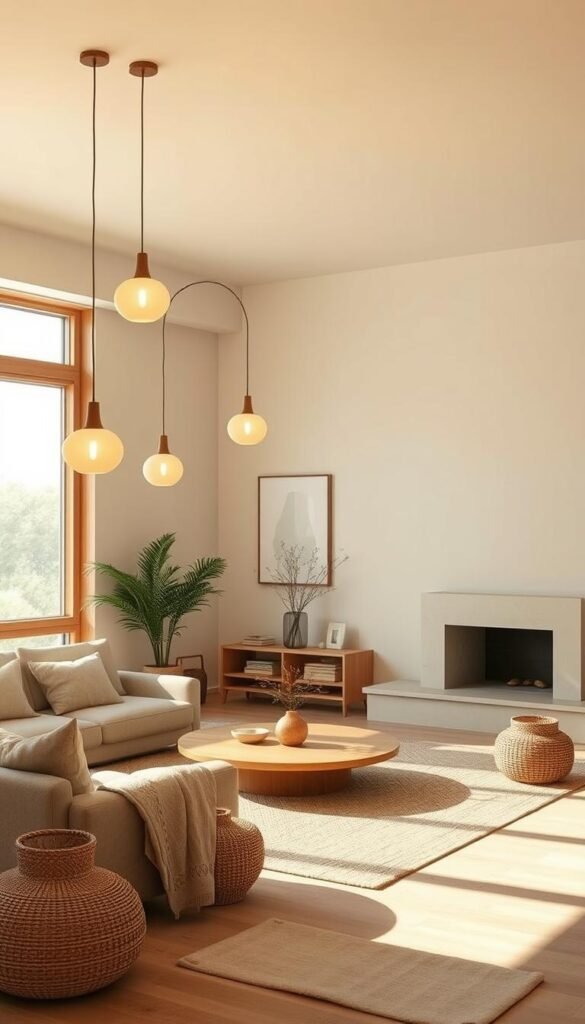
Lighting fixtures can really make a Japandi space stand out. Think about paper lanterns and pendants for a Japanese touch. Or wooden and natural material lamps for warmth and texture.
Paper Lanterns and Pendants
Paper lanterns and pendants do more than light up a room. They add color and texture, making your space elegant and simple.
Wooden and Natural Material Lamps
Wooden or natural material lamps warm up your Japandi living room. They match the natural feel of Japandi furniture, making your space cozy.
Decorative Accents for Your Japandi Living Room
The right decorative accents can make your Japandi living room stand out. They add character and depth. Japandi decor balances minimalism with thoughtful, curated elements.
Minimalist Art and Wall Decor
In Japandi design, art and wall decor should be simple. Choose minimalist art pieces with natural or abstract designs. A simple, framed piece can add interest without clutter.
Ceramics, Pottery, and Handcrafted Objects
Ceramics, pottery, and handcrafted objects add Japandi charm. Look for pieces with natural materials and earthy tones. They warm and texture the space.
Thoughtful Styling and Object Placement
Thoughtful styling is essential for a beautiful Japandi living room. It involves careful object placement and creating vignettes.
Creating Vignettes
To create a vignette, group a few objects like a vase, a book, and a small decorative item. This makes a focal point and adds depth.
The Rule of Intentionality
The rule of intentionality means being deliberate with decor choices. Each item should have a purpose or bring joy. Avoid clutter by only displaying items that meet this criterion.
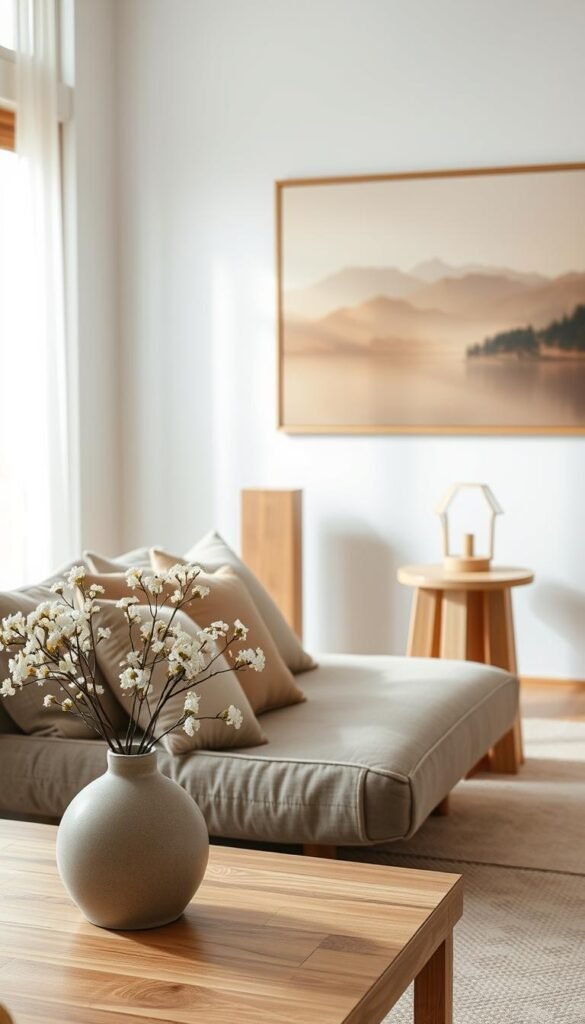
By using these decorative accents and styling tips, you can make a Japandi living room calm, inviting, and beautifully curated.
Bringing Nature Indoors: Plants in Japandi Design
Japandi design brings the outdoors in by using plants. It combines Japanese and Scandinavian styles. This mix creates a peaceful and calming space.
Best Plant Species for the Japandi Aesthetic
Choosing the right plants is key for a Japandi living room. Look for species that are simple yet beautiful. Here are some great options:
- Bonsai trees, which reflect the Japanese appreciation for nature and minimalism
- Japanese maples, known for their elegant foliage
- Scandinavian-friendly houseplants like snake plants and ZZ plants, which are low-maintenance and stylish
Bonsai and Japanese Maples
Bonsai trees and Japanese maples add Japanese elegance to your living room. Their unique shapes and foliage bring natural serenity.
Scandinavian-Friendly Houseplants
For a Scandinavian touch, try snake plants and ZZ plants. They are stylish and easy to care for. They fit well with Japandi's simple and functional style.
Planters and Containers That Complement the Style
The right planters can enhance your Japandi look. Choose containers from natural materials like ceramic, wood, or rattan. Simple designs keep the minimalist vibe.
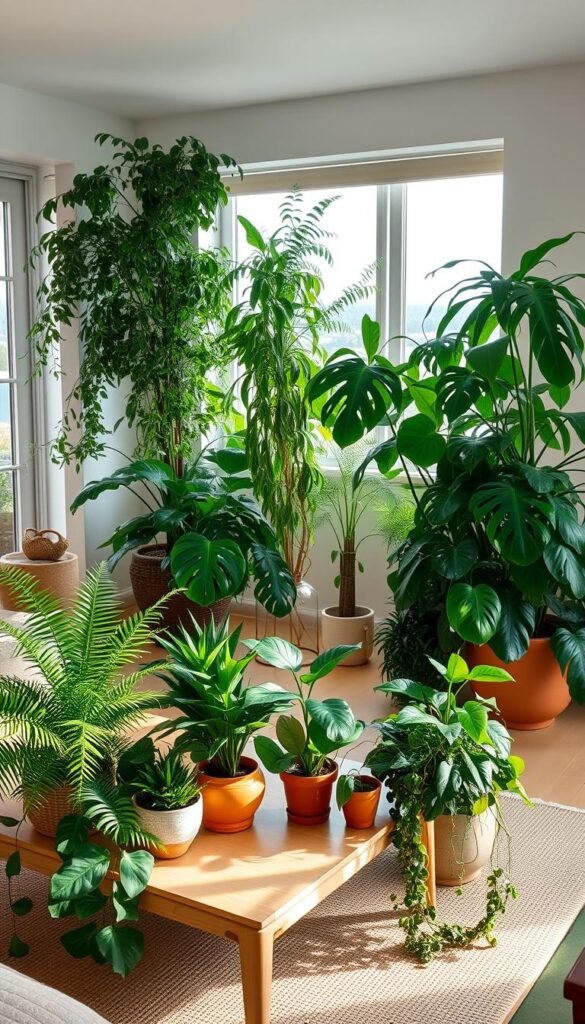
Strategic Placement for Visual Balance
Place plants wisely in your Japandi living room for balance. Think about the size and look of the plants and their containers. Make sure they fit well without taking over.
Conclusion: Creating a Serene Japandi Living Space
Embracing Japandi design lets you make a peaceful and stunning living room. It combines Japanese and Scandinavian styles perfectly. Use natural materials like wood and bamboo, and keep things simple but meaningful.
A Japandi living space is calm with a neutral color scheme and careful decor. It's all about balance, mixing light and dark to create a soothing vibe. This balance helps you relax and feel calm.
To make your space serene and stylish, follow the tips from this article. Choose the right furniture and add plants and natural elements. Every choice you make adds to the calm and beauty of your minimalist living room. Let's make a space that shows your style and offers a peaceful escape.
FAQ
What is Japandi design, and how does it differ from other interior design styles?
Japandi design blends Japanese and Scandinavian styles. It aims to create a calm, minimal, and beautiful space. Unlike other styles, it focuses on simplicity, natural materials, and beauty that works well.
How do I achieve a Japandi color palette in my living room?
For a Japandi color palette, start with neutral colors like whites, beiges, and grays. Add muted blues, greens, and earth tones for accent. Mix light and dark colors to achieve harmony.
What type of furniture is suitable for a Japandi living room?
Japandi living rooms use low-profile seating and natural materials. Mix Japanese and Scandinavian furniture for a unique look. This creates a space that is both beautiful and functional.
How can I incorporate natural materials into my Japandi living room design?
Use wood, bamboo, rattan, and woven elements for natural materials. Add textiles like linen, cotton, and wool. Choose the right textures and layer them for a cozy feel.
What are some tips for designing a Japandi living room layout?
Design a Japandi living room by using negative space and creating focal points. Make sure the layout is functional and flows well. Use zoning and furniture arrangement to make the space inviting.
How can I add decorative accents to my Japandi living room without cluttering it?
Add minimalist art, ceramics, pottery, and handcrafted items thoughtfully. Create vignettes and follow the rule of intentionality. This keeps your space clutter-free and visually appealing.
What types of plants are suitable for a Japandi living room, and how should I display them?
Choose plants like bonsai, Japanese maples, and Scandinavian-friendly houseplants. Pick planters that match the style. Place them for visual balance.
How can I maximize natural light in my Japandi living room?
Use sheer curtains, mirrors, and light-colored walls to reflect light. Consider your windows' orientation and furniture placement to get the most natural light.
What are some common mistakes to avoid when designing a Japandi living room?
Avoid over-accessorizing, using bold or bright colors, and ignoring negative space. Stick to Japandi's principles of simplicity, natural materials, and beauty. This will help you create a serene and beautiful space.