Understanding Minimalist Design Principles
Living a minimalist lifestyle can feel incredibly freeing. It lets people focus on what's truly important. Minimalist design values simplicity, functionality, and smart use of space. This is great for small areas, making them feel open and free. To get the most out of minimalism, you need to know its basics. These principles help create a space that looks good and feels welcoming. Using compact space ideas can make your space feel bigger and more inviting.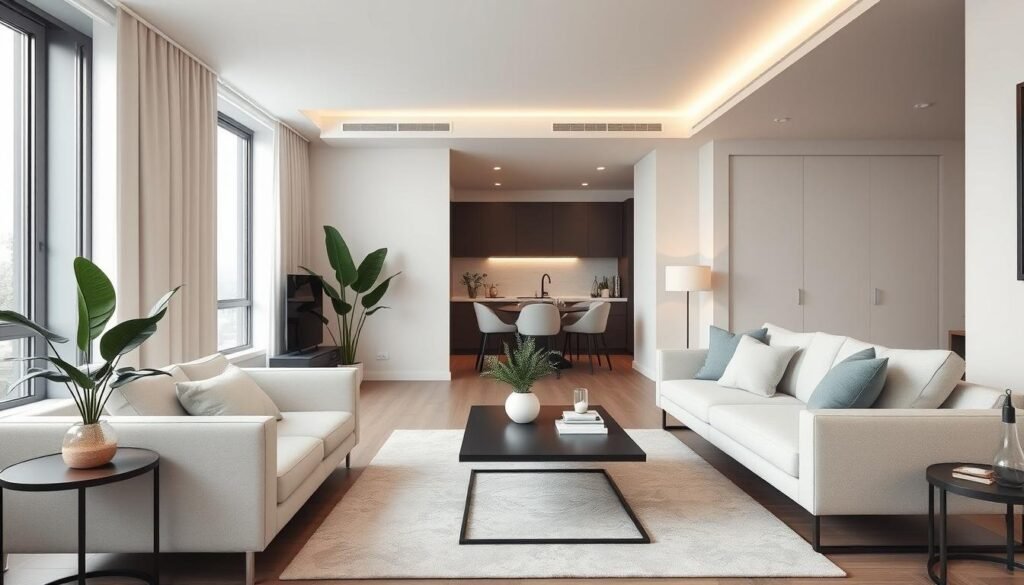
- Simplicity: Clean lines, little decoration, and a few colors.
- Functionality: Each item should have a clear purpose.
- Negative space: Empty areas help balance and harmony.
Key Elements of a Minimalist Living Room
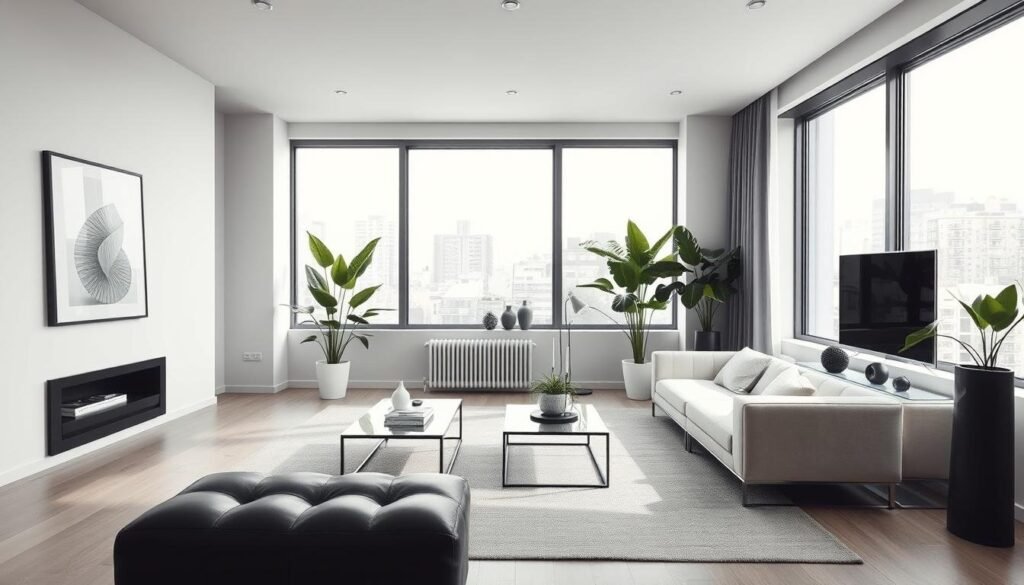
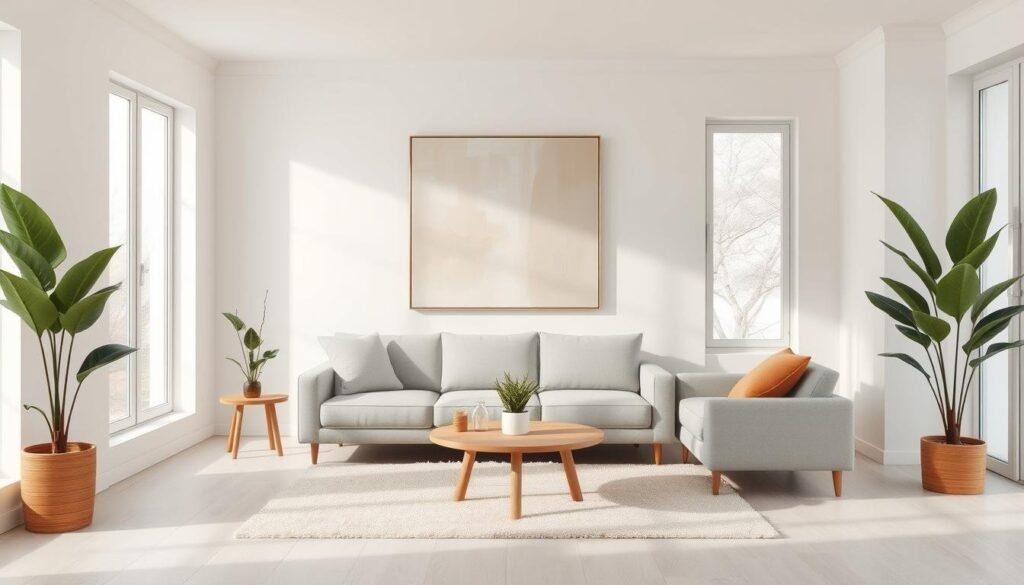
Creating a minimalist living room requires careful thought. It starts with choosing the right furniture, colors, and lighting. These elements help make a space that's both inviting and simple. A minimalist room should have only a few pieces of furniture. These should be simple and useful. Monochromatic or complementary color schemes add depth. Different textures make the space feel cozy. Good lighting makes the room warm and welcoming.Furniture Selection
- Choose multi-functional furniture pieces to minimize clutter
- Select furniture with clean lines and simple designs
- Consider the scale and proportion of furniture in relation to the room
Color Schemes and Textures
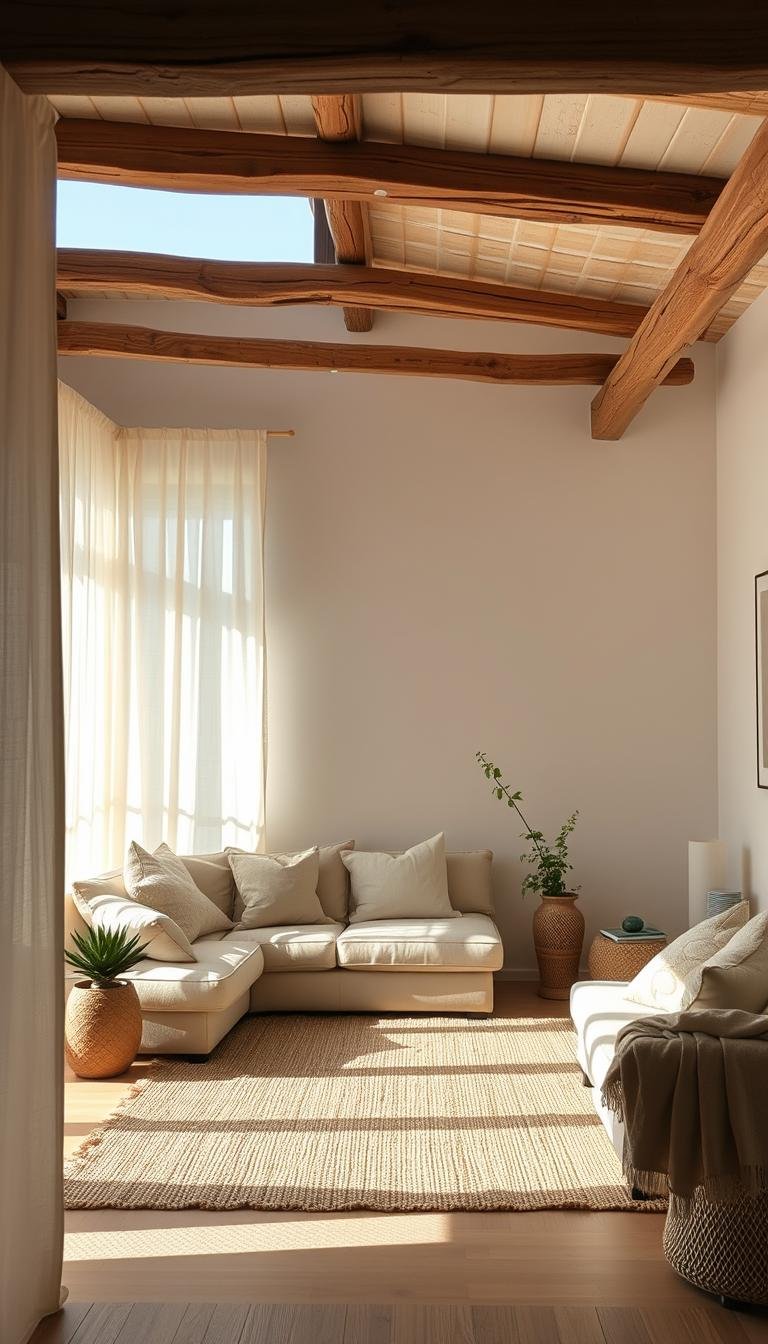
A neutral color palette creates a calm space. Adding different textures, like wood or plants, brings interest. This balance makes your room feel welcoming and simple.Space-Saving Solutions for Apartments
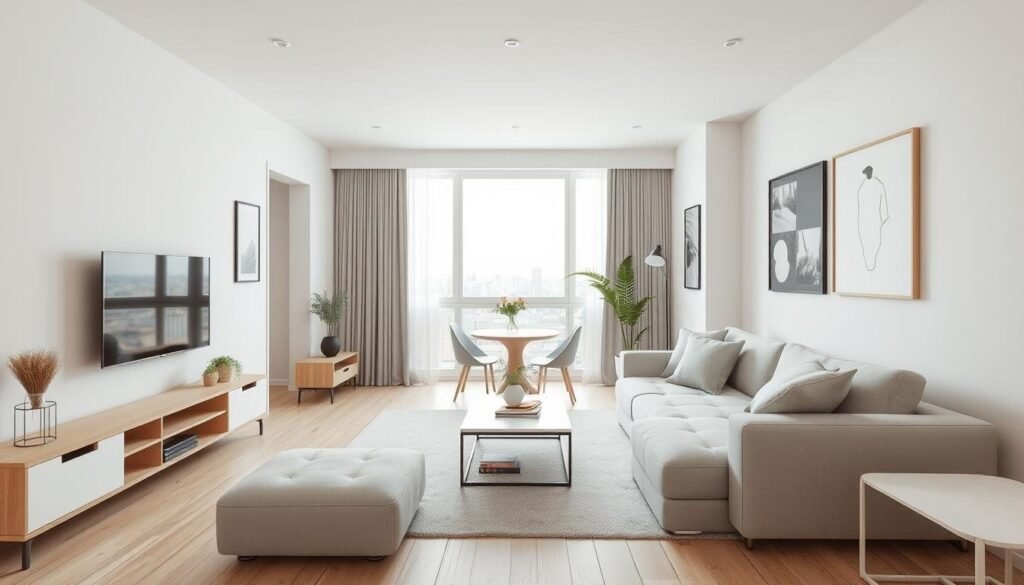
Living in an apartment can be tough, mainly because of the space issue. A smart layout can make your living space both comfy and useful. It's all about being creative and finding solutions that do more than one thing. Think about furniture that does double duty. For example, a storage ottoman can be a cozy spot to sit and also hold your blankets, pillows, or winter clothes. This way, you save space and keep things tidy, which is key in minimalist design.Multifunctional Furniture
Multifunctional furniture is key in saving space in apartments. These pieces do more than one job, cutting down on the need for lots of furniture. Here are a few examples:- Sofa beds that turn into guest beds
- Coffee tables with hidden storage
- Desks that fold up against the wall
Smart Storage Ideas
Smart storage is vital for keeping your apartment tidy and spacious. It's about using solutions that are both useful and look good. Ideas include wall shelves, under-bed storage, and hanging organizers for closets. By using these smart storage ideas, you can keep your stuff organized and out of the way. This makes your living space feel bigger and more minimalist.Creating a Focal Point in Your Living Room
Creating a focal point in your living room can make it stand out. It adds interest without making it cluttered. A good focal point can catch your eye and balance the room. Choose a statement piece of artwork that fits well with your room's simple style. When picking artwork, think about its theme, color, and size. A large piece of art can take over the room, while a small one might get lost. Make sure the artwork's size and shape match the room's furniture and decor. A piece that's too big or too small can mess up the room's balance.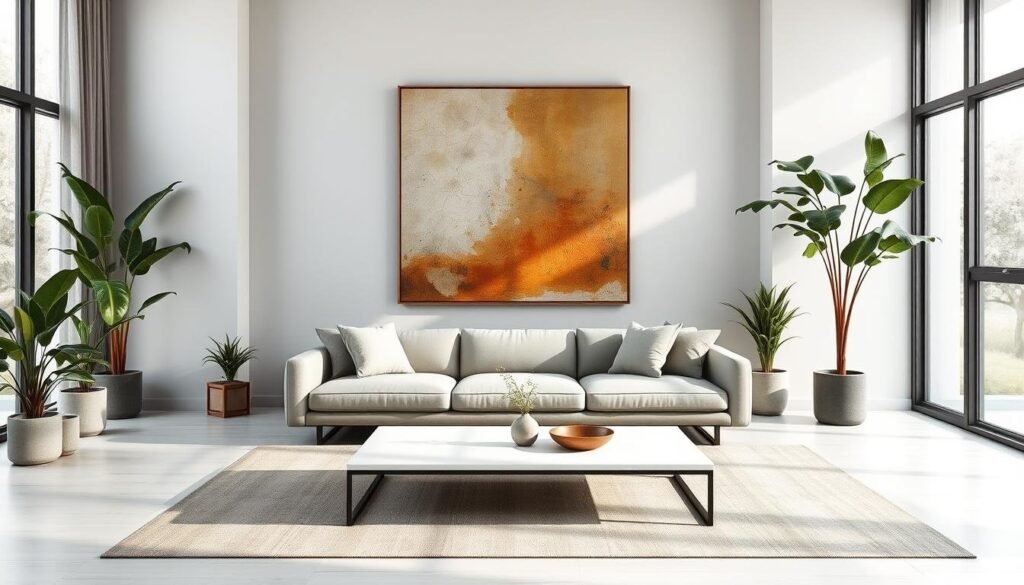
- Choose a piece that reflects your personal style and complements the room's color scheme
- Consider the texture and material of the artwork, such as canvas or metal
- Think about the theme of the artwork, such as nature or abstract
Color Palette Ideas for a Minimalist Living Room
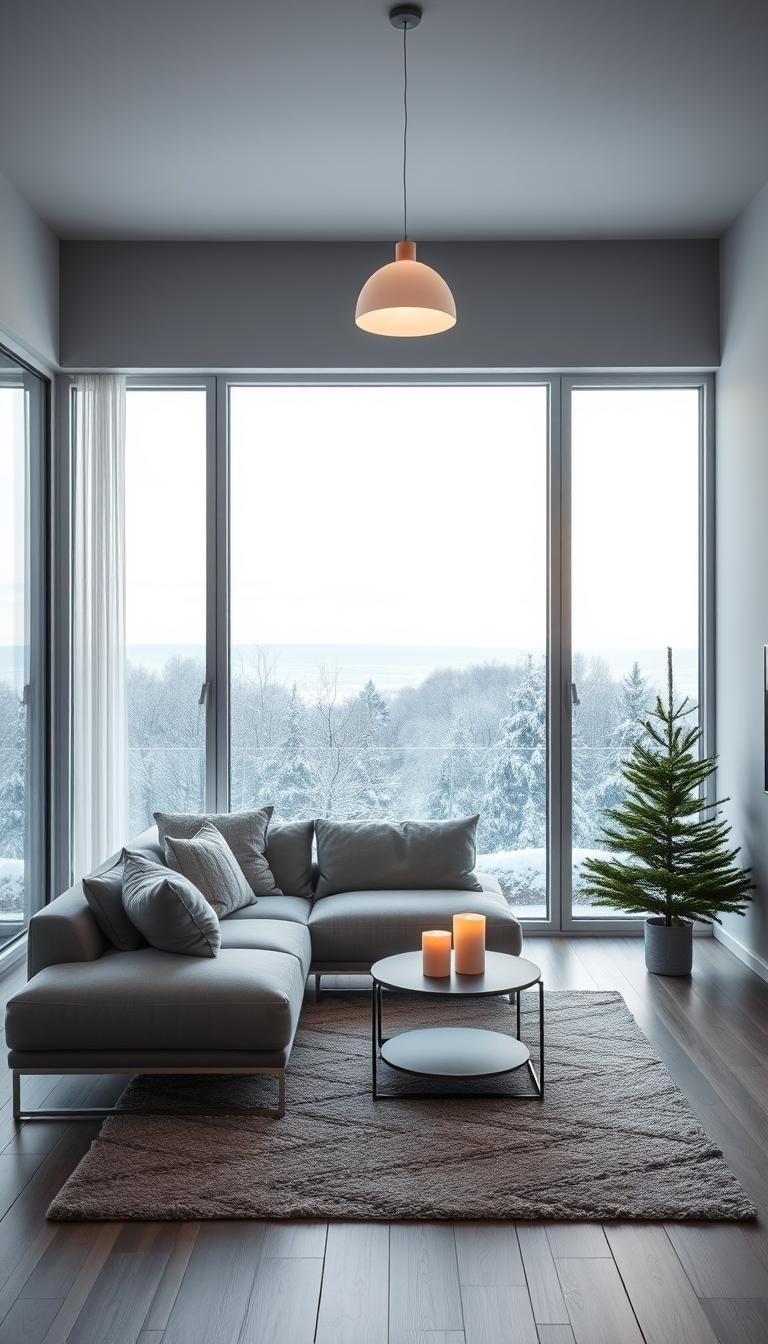
Choosing the right colors is key for a small apartment living room. The right colors can make a room feel bigger and more welcoming. On the other hand, the wrong colors can make it feel tight and too much. For a minimalist look, mix neutral colors with a few bold ones. This creates a balanced and beautiful space. Neutral colors like beige, gray, and white bring calmness to a room. Use these as the main colors. Then, add pops of color with furniture, decor, and accessories. For instance, a gray sofa looks great with a colorful rug and throw pillows.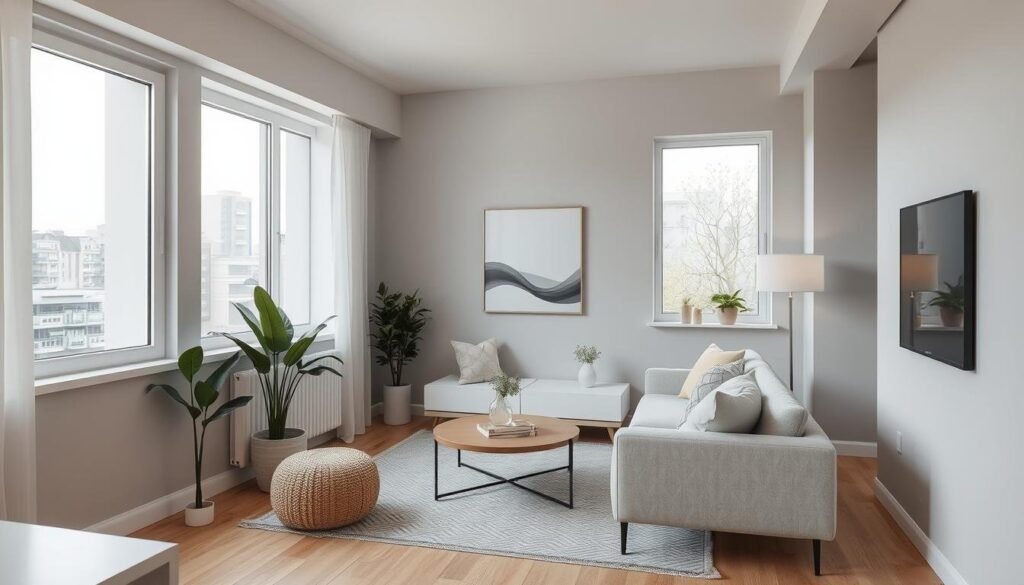
Neutral Tones
- Beige: a warm and inviting color that can create a sense of coziness in a small apartment living room
- Gray: a versatile color that can be paired with a variety of colors and styles to create a unique look
- White: a clean and crisp color that can help reflect light and make a room feel larger
Pops of Color
Add color to your minimalist room with furniture, decor, and accessories. Here are some ideas:- A colorful rug to add a touch of warmth and personality to the room
- A few throw pillows in a bold, bright color to add a pop of color to a neutral-colored sofa
- A statement piece of art or decor to add a touch of personality to the room
Essential Furniture Pieces in Minimalist Design
Creating a minimalist living room means every piece of furniture matters. You want items that are both useful and look good. This helps make a space that's both cohesive and compact. We'll look at key furniture like sofas, coffee tables, and side tables, all designed for small spaces. A well-chosen sofa is the heart of any living room. It should be sleek, comfy, and fit the room well. Look for a sofa with simple lines, few cushions, and a neutral color. This creates a calm and serene feel. A sofa that fits your small space helps the room feel open and harmonious.Sofa and Seating Arrangements
Choosing the right seating is key in a minimalist living room. Pick a sofa that meets your needs, and add a few accent chairs or an ottoman for coziness. Make sure there's enough room between each piece. This lets the room breathe and flow well, which is vital in small spaces.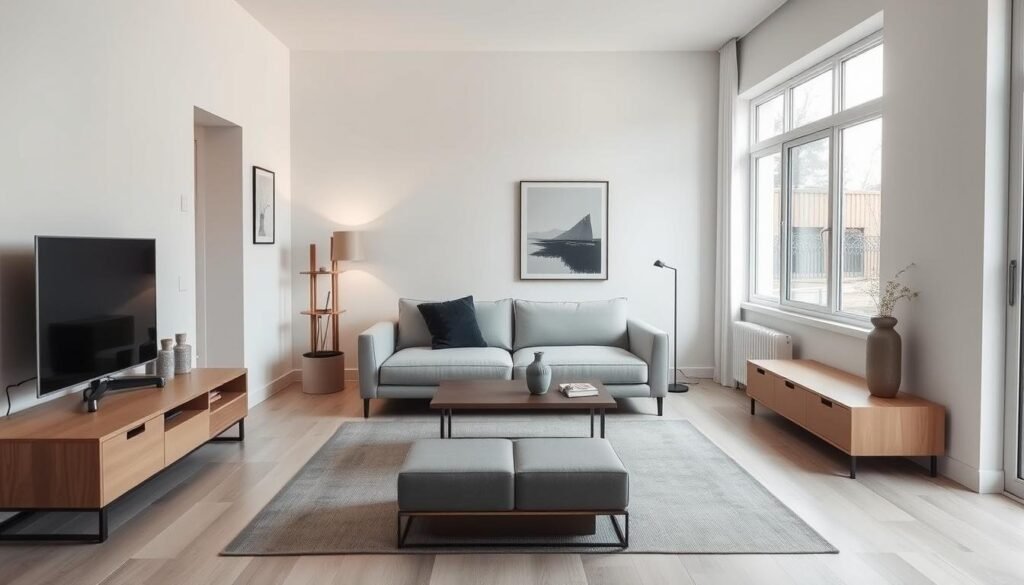
Coffee Tables and Side Tables
Coffee and side tables are important for function without clutter. Choose ones with simple designs and minimal decoration. Tables with storage help keep things tidy while keeping the space minimal. The right tables help balance and harmony in your room, even in tight spaces. By adding these essential pieces to your minimalist living room, you create a space that's both useful and lovely. Focus on simplicity, clean lines, and neutral colors. This will bring calm and serenity to your home.Decluttering Your Living Space
Adopting a neutral minimalist aesthetic is essential for a peaceful and organized home. It focuses on simplicity and function, letting you concentrate on what's important. This approach turns your living area into a calm space that shows your style. To keep your space clutter-free, set some rules. Try the one in, one out rule. This means adding a new item means removing or donating an old one. It keeps your belongings balanced and prevents clutter.Tips for Effective Decluttering
- Start by sorting your items into three piles: keep, donate, and discard.
- Be tough when choosing what to keep and what to let go of. If you haven't used it in a year, you probably won't miss it.
- Think about the 80/20 rule. It says you likely use only 20% of your stuff 80% of the time.
Introducing Natural Elements
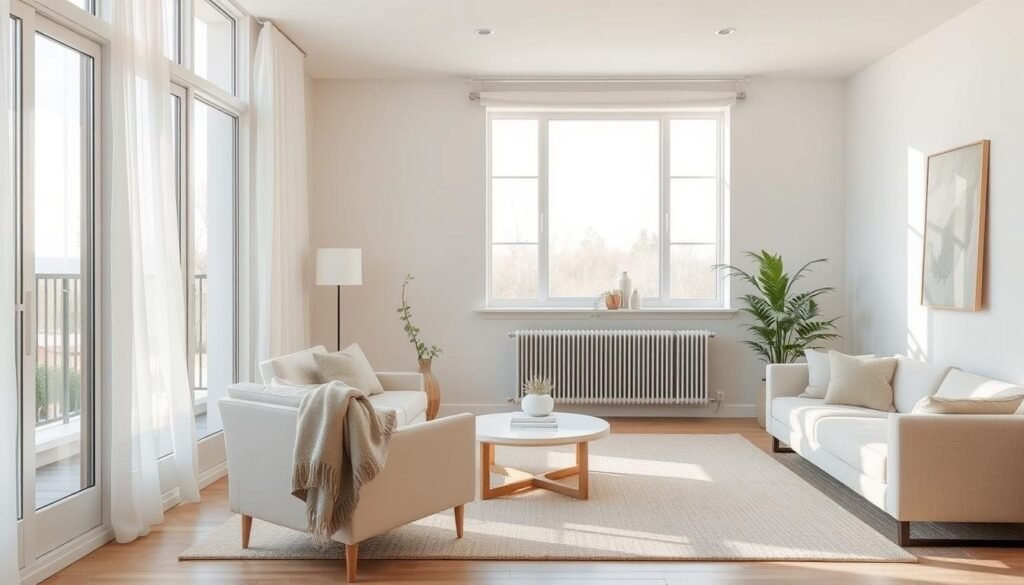
Creating a space-saving apartment layout means thinking about natural elements. They can make your living room feel warm and inviting. This is key for a cozy, minimalist space. Adding indoor plants is a great way to bring in nature. They clean the air and make your space feel fresh. Succulents and air plants are good choices because they're easy to care for.Indoor Plants for Freshness
- Snake plants: known for their air-purifying properties
- Spider plants: easy to care for and great for hanging baskets
- Pothos: versatile and can thrive in a variety of lighting conditions
Natural Materials in Decor
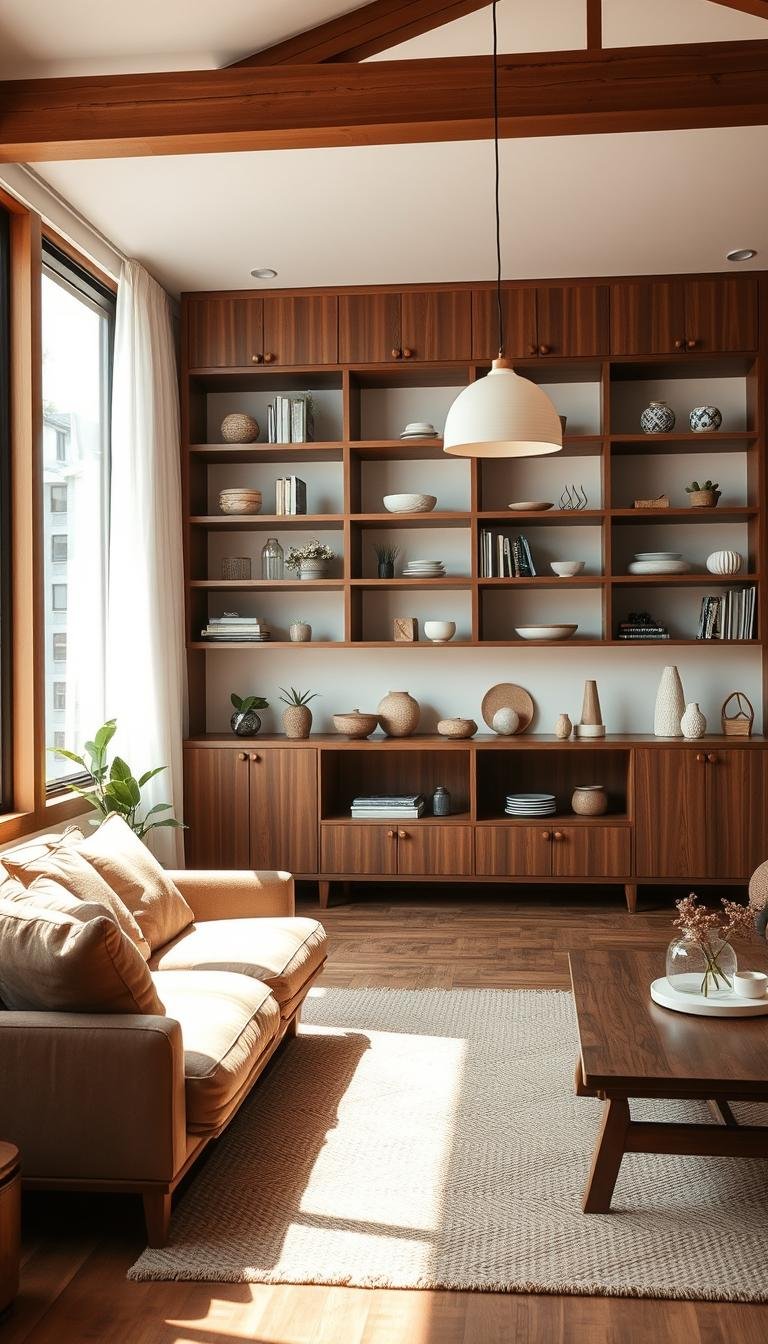
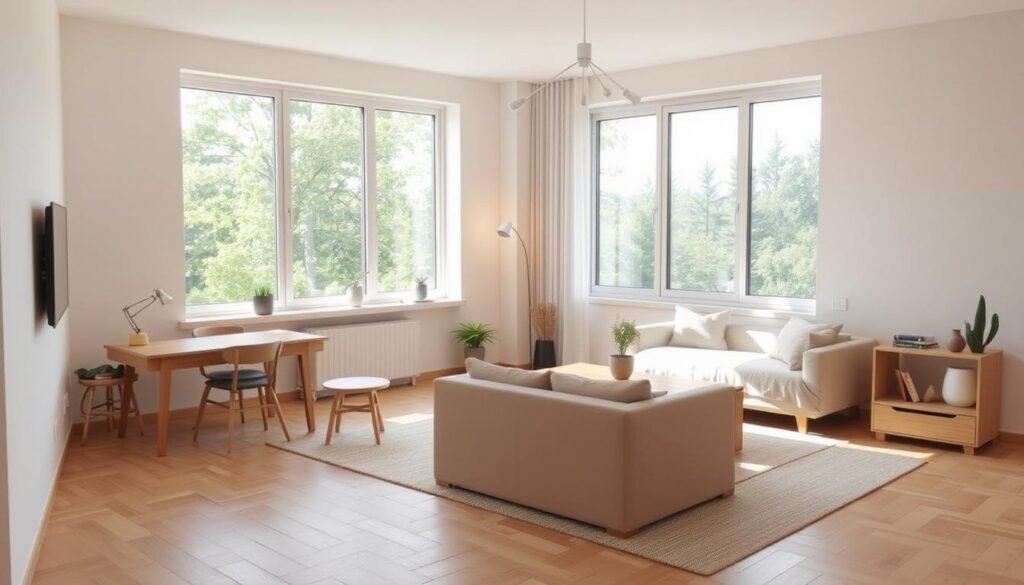
Using natural elements and materials can make your apartment feel modern yet organic. Choose materials that fit your design style. Experiment with different textures and materials to find the right mix for your minimalist living room.Personalizing Your Minimalist Space
Creating a minimalist apartment decor doesn't mean losing your personality. A well-designed space can be calm yet show your unique style. It's all about adding meaningful decor that reflects you. Finding the right balance is key. Choose a few special pieces that show your interests or travels. For instance, a vintage rug or artwork can brighten up a neutral room.Finding Balance Between Minimalism and Personality
To achieve this balance, follow these tips:- Start with a neutral base: Use a neutral color palette as the foundation of your room, and then add pops of color and personality through decor pieces.
- Choose meaningful items: Select items that hold sentimental value or reflect your personal style, and display them prominently in your space.
- Don't overdo it: Remember, the key to minimalist design is simplicity. Avoid cluttering your space with too many decor pieces, and instead, focus on a few statement items.