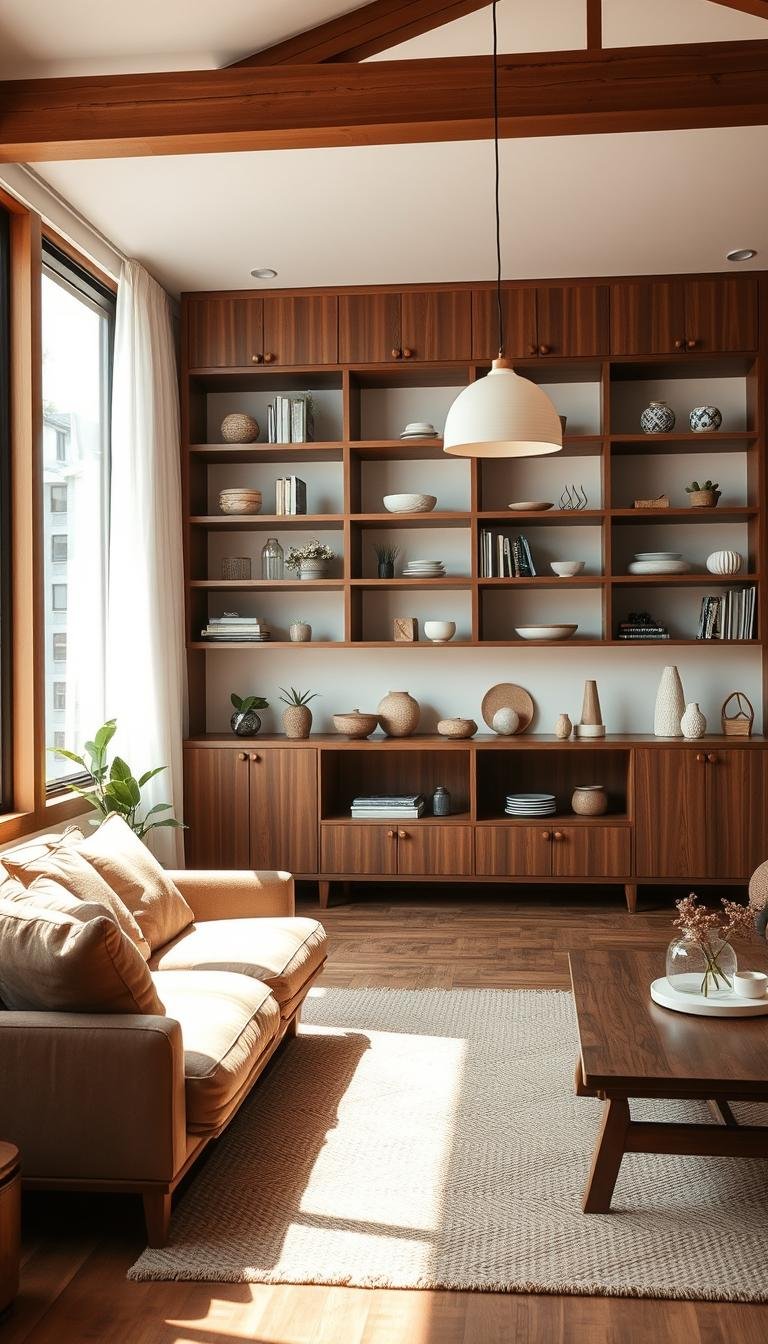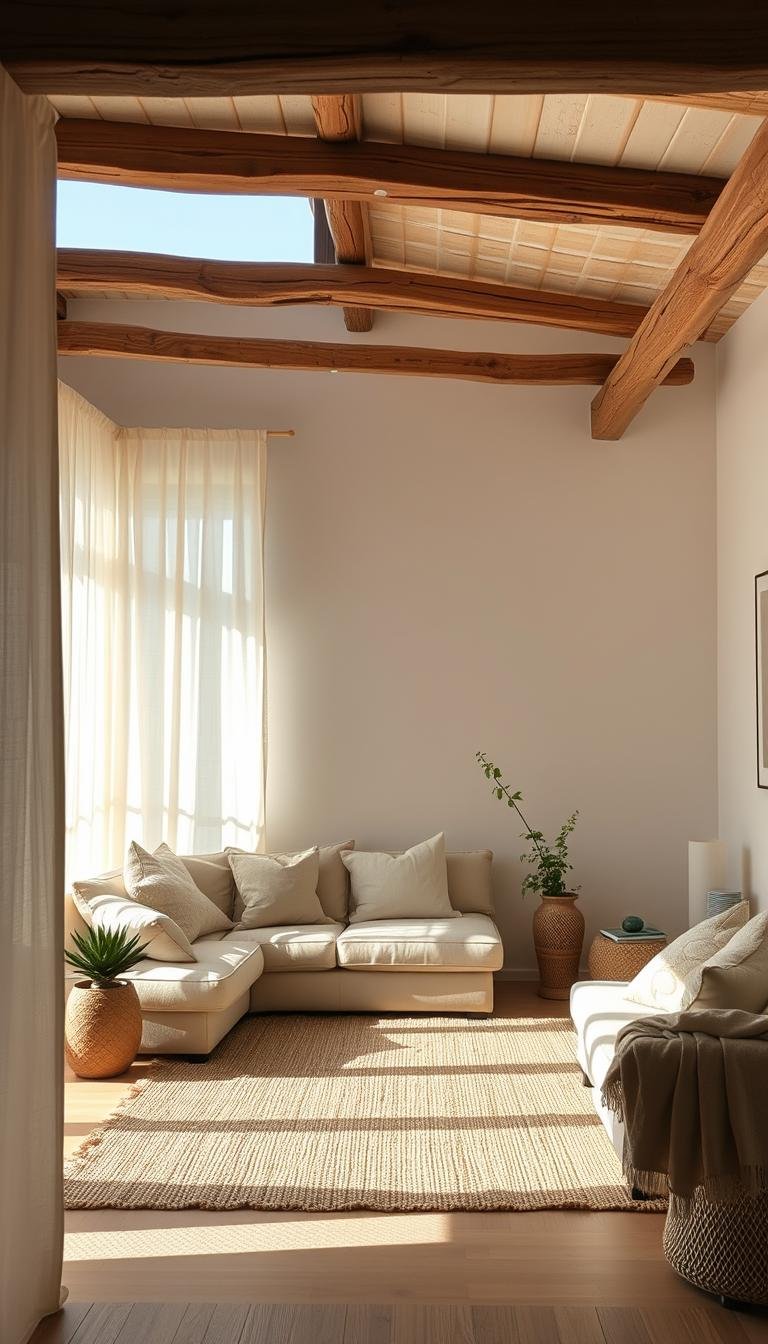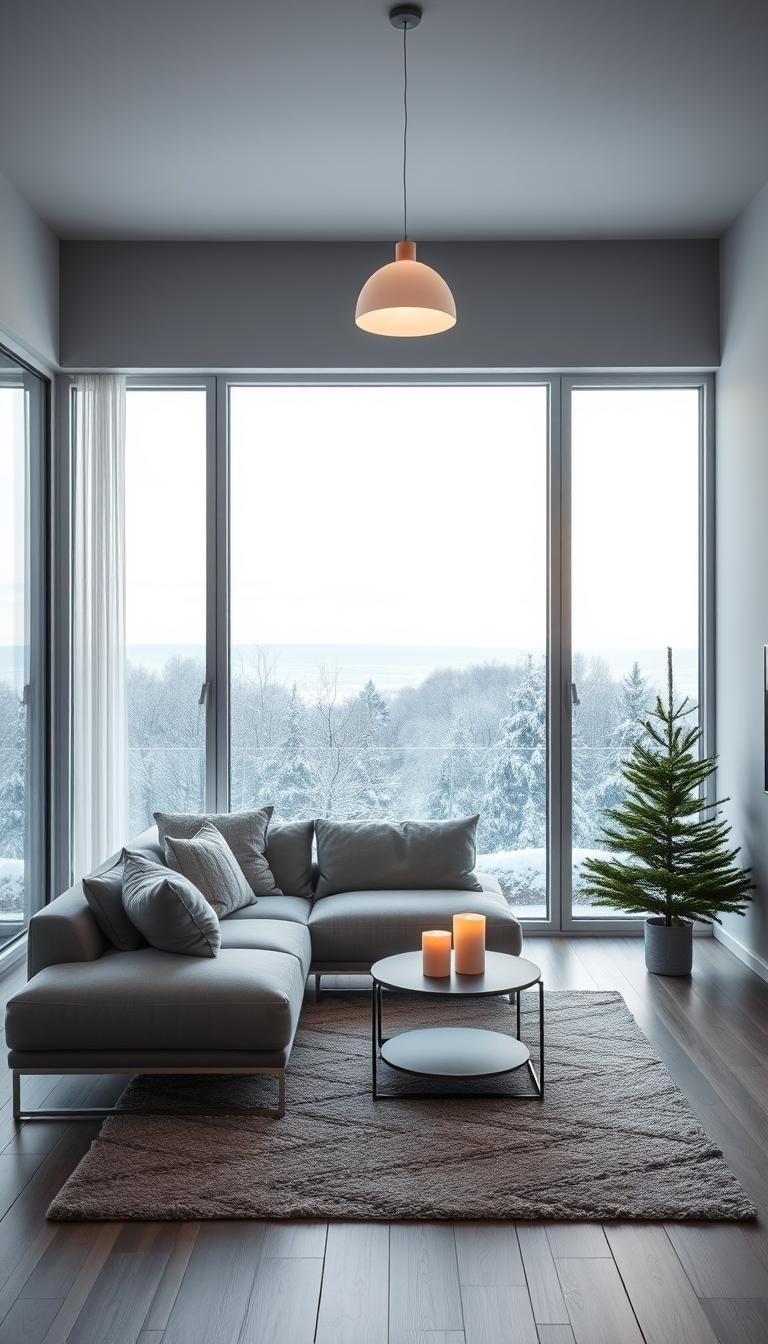
Many homeowners aim for a timeless and versatile living space. Using a neutral color palette in your living room design is a smart choice. Neutral tones provide a clean and elegant base. They work well with many styles, from modern to traditional.
A well-chosen neutral color palette does more than look good. It creates a harmonious and welcoming space. The right neutral shades make your room feel calm yet sophisticated.
Key Takeaways
- Neutral color palettes are versatile and timeless.
- They can be adapted to various design styles.
- A well-designed neutral palette creates a harmonious atmosphere.
- Neutral tones offer a clean and elegant backdrop.
- They provide a foundation for a calming and sophisticated space.
The Enduring Appeal of Neutral Living Spaces
Neutral living spaces are a big hit in interior design. They offer a calm and adaptable background for any decor. This makes them perfect for modern homes.
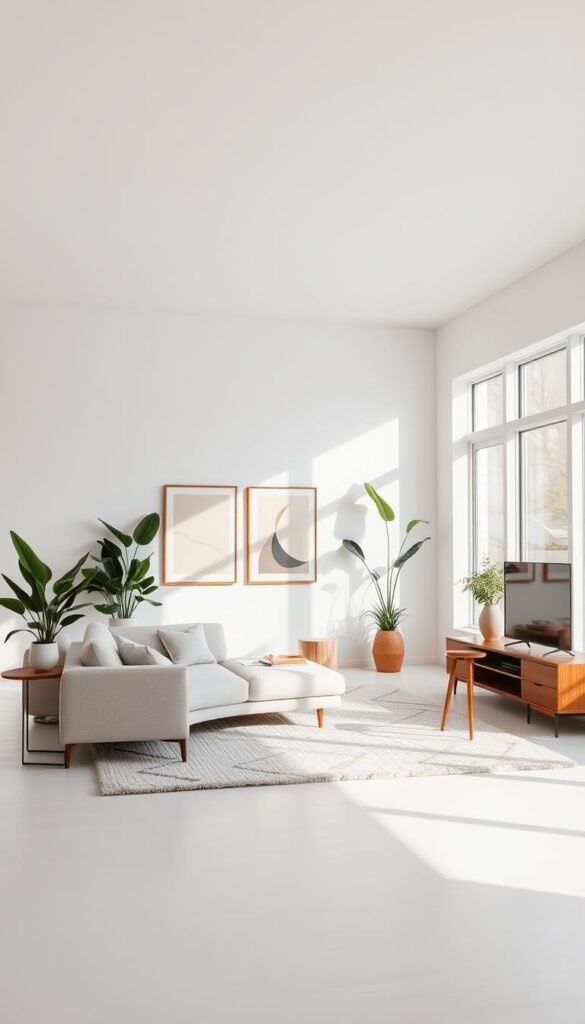
The Psychology Behind Neutral Tones
Neutral tones make our living rooms peaceful and relaxing. They help reduce stress and improve focus. This makes them great for our daily hangouts.
Why Designers Consistently Choose Neutrals
Designers love neutral colors for their flexibility. They work well with many styles, from modern to traditional. This makes them a solid base for any design.
| Benefits of Neutral Living Spaces | Description |
|---|---|
| Versatility | Neutral tones can be paired with various decor elements and styles. |
| Timeless Appeal | Neutral living spaces remain stylish and relevant over time. |
| Psychological Benefits | Neutral colors promote relaxation, reduced stress, and improved mental clarity. |
Understanding the Neutral Color Spectrum
Learning about the neutral color spectrum is vital for a calm yet stylish living room. This spectrum includes many hues that blend well together. This creates a balanced color palette.

Warm vs. Cool Neutrals
Neutrals fall into two main groups: warm and cool. Warm neutrals, like beige and taupe, lean towards yellow or red. Cool neutrals, such as gray and blue-gray, have a blue undertone. Choosing between warm and cool neutrals depends on the overall aesthetic you want to achieve. Warm neutrals make a space cozy, while cool neutrals bring calmness.
Base, Accent, and Highlight Neutrals
In a neutral color palette, there are three main layers: base, accent, and highlight neutrals. Base neutrals set the foundation, accent neutrals add depth, and highlight neutrals highlight design elements. By balancing these layers, you can create a visually interesting space. For example, a beige base can be paired with taupe furniture and cream-colored accessories for highlights.
Undertones and How They Affect Neutral Palettes
The undertones of neutral colors are key to a room's look and feel.
"The right undertone can make a neutral color palette feel cohesive and harmonious."
Using neutrals with different undertones can make a space look disjointed. So, it's important to pick neutrals that complement each other.
Classic White and Cream Palette
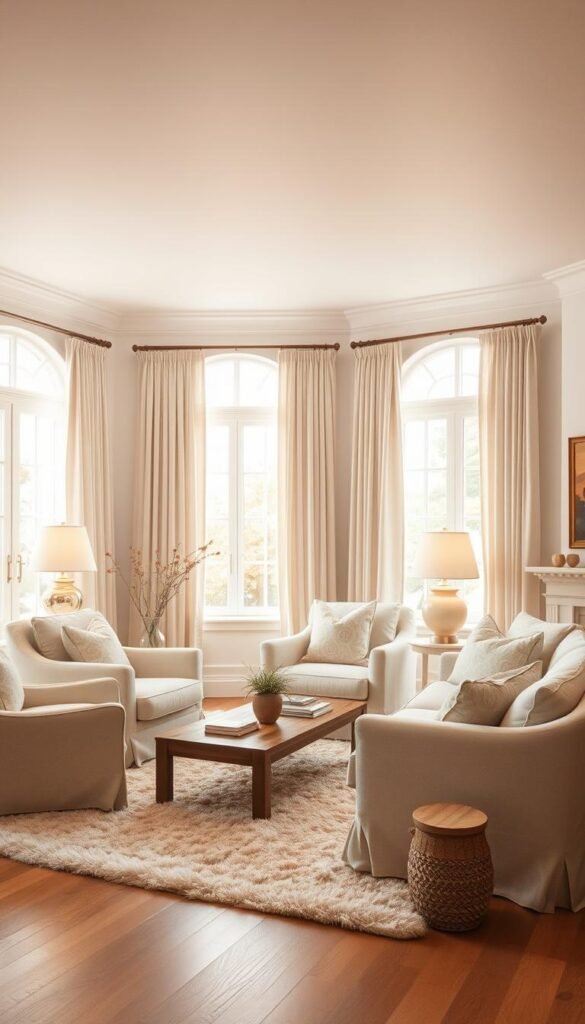
The classic white and cream combo makes any living room feel serene. It's a timeless choice for those who love a clean, elegant look.
Different Shades of White to Consider
Exploring different white shades is key in a white and cream palette. Use pure white for trim and ceilings. Choose soft whites for walls and creamy whites for furniture and decor.
- Pure white for a crisp, clean look
- Soft whites to create a warm, inviting atmosphere
- Creamy whites to add a touch of warmth and elegance
Adding Depth with Textural Elements
To avoid a flat look, add various textures. Mix linen, velvet, and natural fibers for depth and interest.
Furniture and Decor Pairings
Choose furniture and decor that fits the white and cream theme. Gold or brass accents add sophistication. Natural wood tones warm up the space.
Sophisticated Greige Combinations
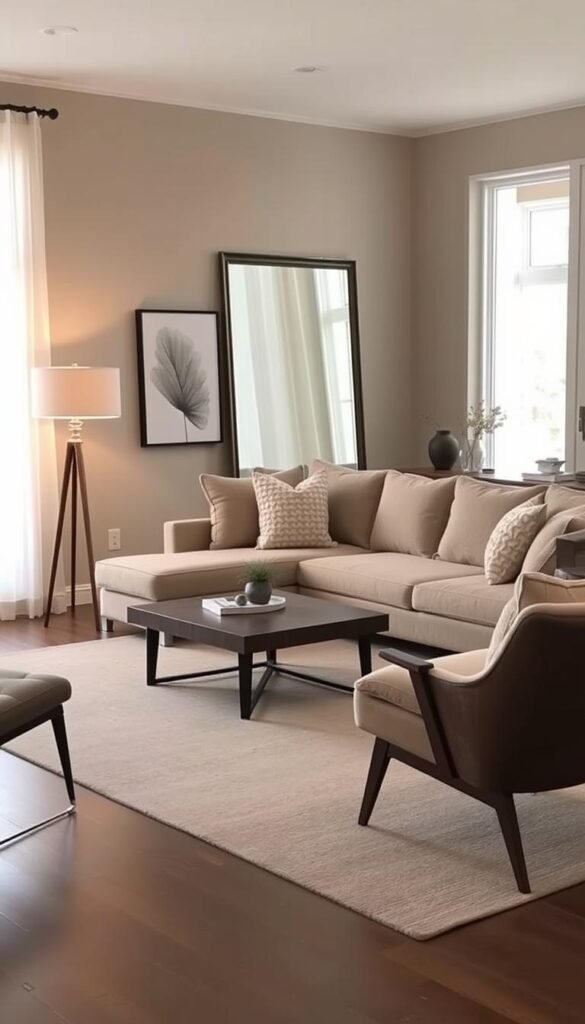
Greige is a mix of gray and beige, perfect for living rooms. It combines gray's calmness with beige's warmth. This creates a unique and inviting space.
The Perfect Balance Between Gray and Beige
Finding the right mix of gray and beige is key. Warm beige and cool gray make an interesting contrast. Similar undertones give a smooth, monochromatic look.
Complementary Accent Colors
Adding the right accent colors can make a greige room pop. Soft blues, muted greens, or terracottas add depth. For a bold look, try deep charcoal or golden tones.
Lighting Considerations for Greige Rooms
Lighting is vital for greige rooms. Natural light brings out its beauty. Artificial light adds warmth and coziness.
Use a mix of overhead, table, and floor lamps. This creates a welcoming feel.
Earthy Taupe and Mushroom Tones
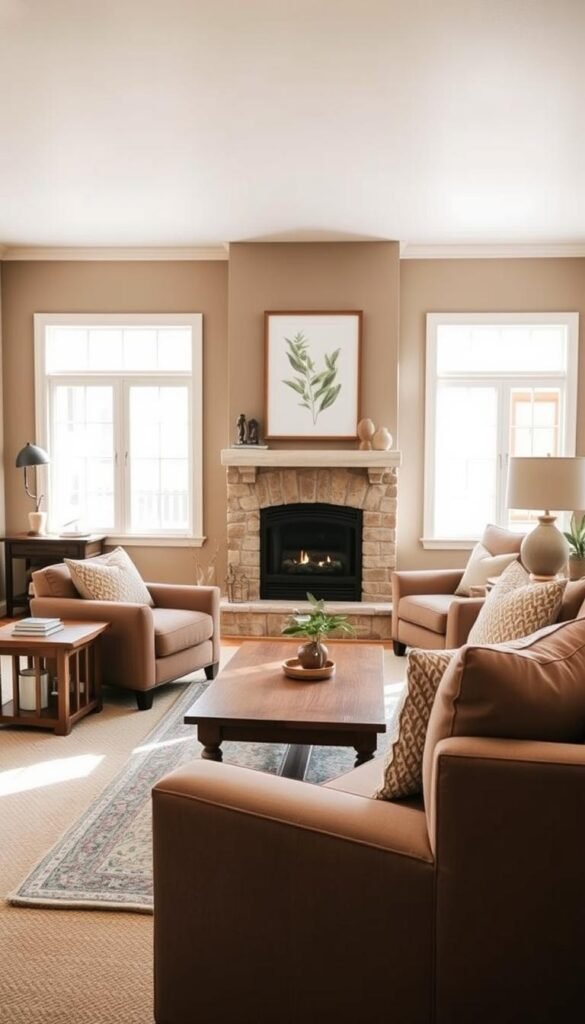
Using earthy neutrals like taupe and mushroom can make your living room a peaceful spot. These colors add warmth and coziness, making your space welcoming and comfy.
Creating Warmth with Earthy Neutrals
Earthy neutrals like taupe and mushroom create a cozy atmosphere. These colors complement each other to make a calming palette. Adding soft lights and plush fabrics can make it even warmer.
Natural Material Pairings
Combining earthy tones with natural materials like wood, stone, and fibers enhances your room's organic feel. For example, a wooden coffee table or a stone fireplace looks great with taupe and mushroom tones.
Seasonal Adaptability of Earth Tones
Earthy neutrals are great because they fit any season. You can change your decor with the seasons without changing the main colors. For example, add warm blankets in winter or fresh flowers in spring.
| Season | Accent Colors | Decor Ideas |
|---|---|---|
| Winter | Rich reds, deep greens | Candles, woolen throws |
| Spring | Pastel shades, bright whites | Fresh flowers, lightweight drapes |
| Summer | Corals, sky blues | Seashells, linen upholstery |
Modern Gray Scale Palettes
Modern homes are embracing gray scale palettes. These range from light platinum to deep charcoal. This color scheme is versatile and sophisticated, perfect for many decorating styles. Let's see how to use gray scale palettes in your living room.
From Light Platinum to Charcoal
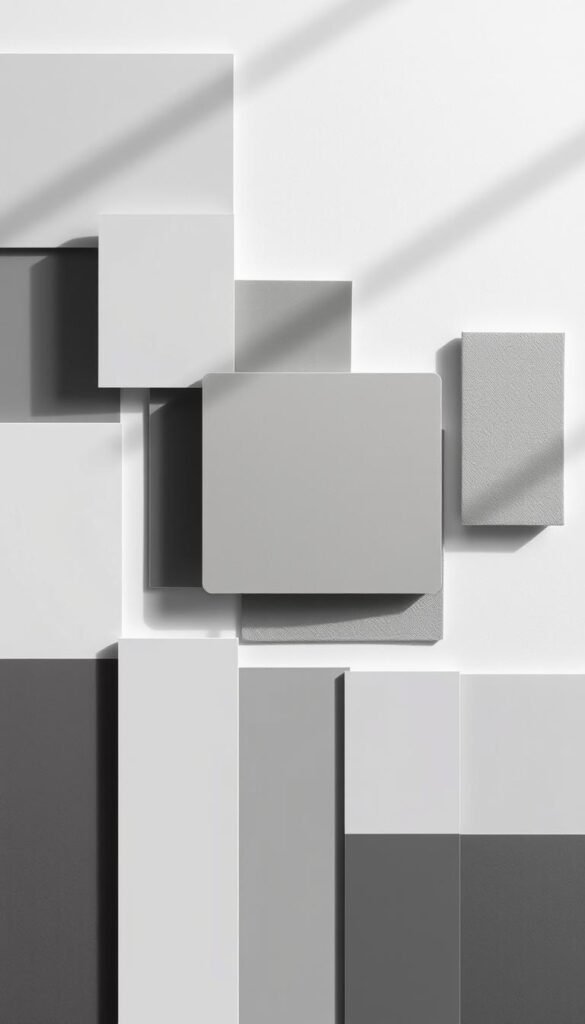
Gray scale palettes include many shades, from light to dark. Start with a light gray on walls. Then, add deeper grays with furniture and decor. This creates a harmonious and appealing atmosphere.
Adding Metallic Accents
To enhance your gray scale living room, add metallic accents. Silver, chrome, or brass finishes bring luxury and sophistication. Use them in lighting, vases, or picture frames.
Creating Depth with Varying Gray Tones
Success in gray scale palettes comes from using different shades. Mix light, medium, and dark grays for interest. Use gray paint, furniture, and accessories in various tones.
Creating a Cozy Neutral Living Room with Beige
Creating a cozy neutral living room with beige is more than painting walls. It's about making a warm and welcoming space. Beige, with its many shades and undertones, is perfect for designing a comfy and inviting area.
Layering Different Beige Tones
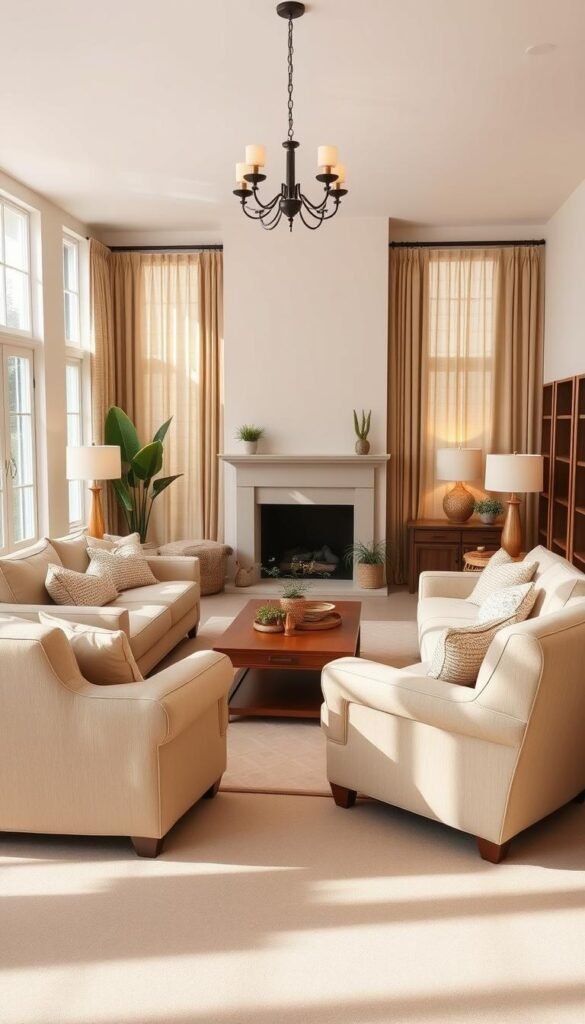
Layering different beige tones adds depth and interest to your living room. Start with a base color on the walls. Then, add furniture and decor in matching beige shades. For example, pair a light beige sofa with darker beige accents or taupe-colored throw pillows.
Texture and Fabric Considerations
Texture and fabric are key to making your beige living room cozy. Mix textures like smooth leather, chunky knits, and soft velvet for a rich feel. Adding natural fibers like wool and linen brings warmth.
Warming Up Beige Spaces
Beige is warm, but you can make your living room even cozier. Add warm-toned wood furniture, like oak or walnut, for a cozy feel. Also, use warm lighting from table lamps or floor lamps to make it welcoming. As designer Kelly Wearstler said,
"The right lighting can transform a space, making it feel more intimate and inviting."
By layering beige tones, considering texture and fabric, and adding warmth, you can make a cozy neutral living room. It will feel both elegant and inviting.
Black and White with Neutral Accents
Let's dive into making a stunning black and white living room. A black and white interior is timeless, elegant, and sophisticated. It's a classic combo that works with many styles, from modern to traditional.
The Timeless Monochromatic Approach
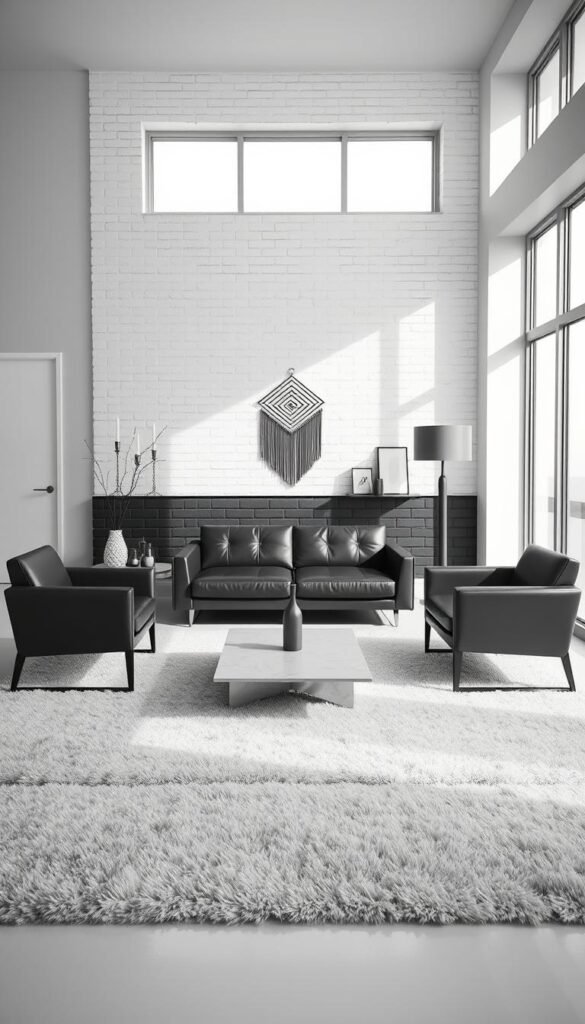
The monochromatic design of black and white is eye-catching and versatile. To make it work, mix different shades of black, white, and gray. For example, white walls with black furniture make a bold statement.
Softening Stark Contrasts
Black and white contrast can feel stark. Adding neutral accents softens it. Think beige, taupe, or wood tones for warmth. Use them in furniture, rugs, or decor.
Statement Pieces in Black and White Rooms
To make your black and white room pop, add statement pieces. This could be bold art, unique lights, or striking furniture. The trick is to balance these with the simplicity of black and white.
With black and white, neutral accents, and the right statement pieces, your living room will be sophisticated and welcoming.
Soft Neutral Blue-Gray Palettes
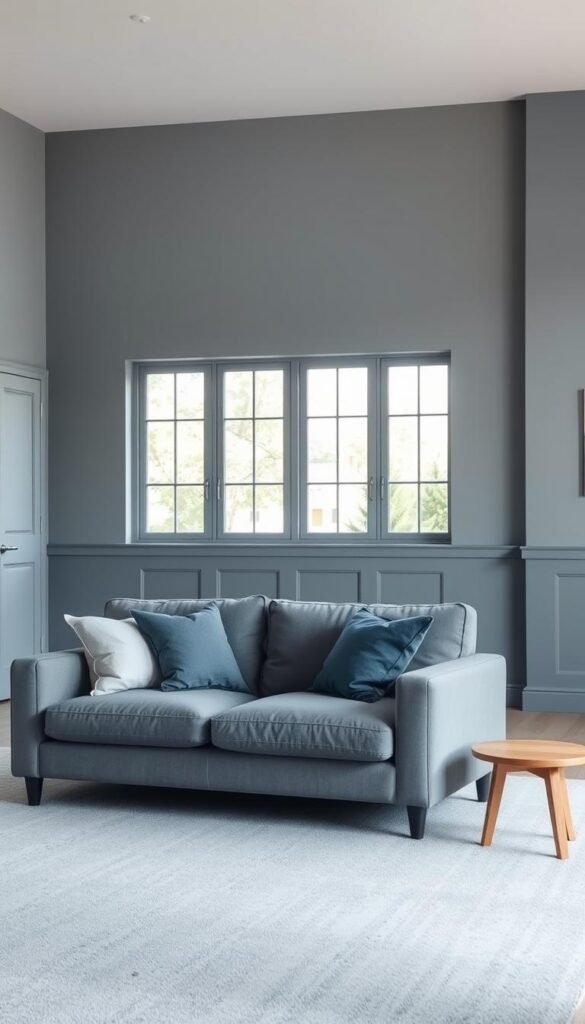
Blue-gray tones are becoming popular in interior design. They mix the calmness of blue with the flexibility of gray. This creates a sophisticated and peaceful vibe in living rooms.
The New Neutral: Blue-Gray Tones
Blue-gray palettes offer a cool and calming mix. They're perfect for a relaxing living space. These tones fit many decorating styles, from modern to traditional.
- They can be paired with warm wood accents to add coziness.
- Blue-gray walls can serve as a versatile backdrop for art and decor.
- This palette can help create a sense of continuity throughout the home.
Coastal-Inspired Neutral Schemes
Adding coastal elements to a blue-gray palette can make it even more calming. Think about using natural textures like wicker or driftwood to match the color scheme.
Balancing Cool Tones with Warm Elements
To avoid blue-gray palettes feeling too cold, add warm elements. Use warm-toned wood furniture, metallic accents, or rich textiles.
Key elements to balance cool tones include:
- Warm-toned wood furniture
- Metallic accents like brass or gold
- Rich textiles such as throw blankets and pillows
Implementing Neutral Palettes in Different Living Room Styles
Neutral palettes are great because they fit many living room styles. They can go from minimalist to rustic. These color schemes are versatile and can match many design tastes.
Modern Minimalist Approaches
In modern minimalist rooms, neutral colors make the space clean and simple. Monochromatic neutrals bring calm and peace. To make it interesting, add different textures with furniture and decor.
- Use a limited color palette to maintain a cohesive look.
- Incorporate natural materials like wood and stone.
- Opt for sleek, low-profile furniture.
Traditional and Transitional Applications
Neutral palettes work well in traditional and transitional rooms too. They make the space warm and welcoming. Mix neutral walls with richer wood tones and patterned fabrics for depth.
- Layer different neutral shades to create a cozy feel.
- Use classic furniture pieces with ornate details.
- Incorporate metallic accents like brass or gold.
Farmhouse and Rustic Interpretations
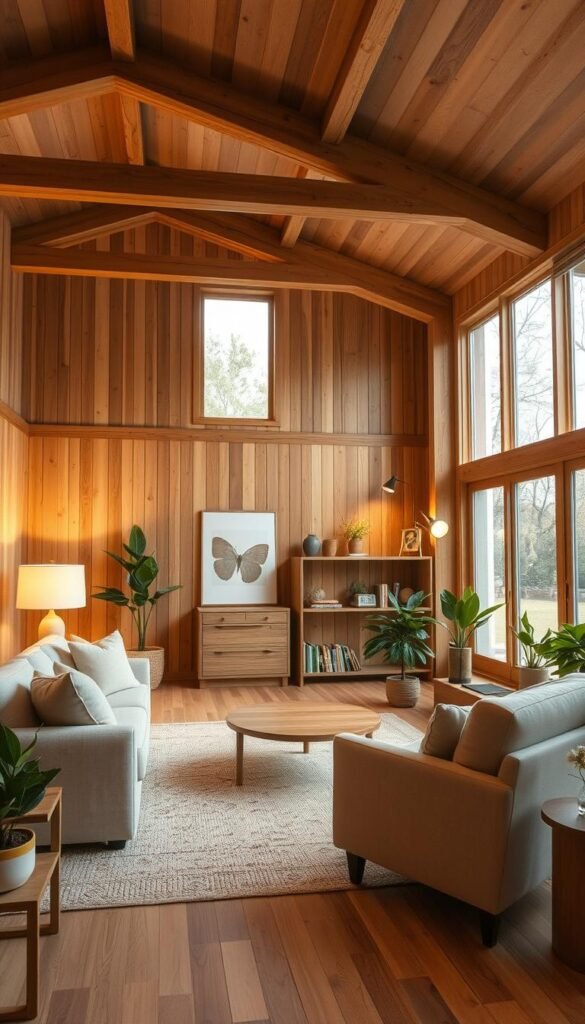
Farmhouse and rustic styles use neutral palettes with a warm, earthy feel. Weathered wood and natural textiles make the space cozy and inviting.
Mixing Wood Tones with Neutral Colors
When mixing wood tones with neutrals, balance is key. Start with a main wood tone. Then add neutral colors that complement it for harmony.
Common Mistakes to Avoid with Neutral Living Room Designs
Let's look at common mistakes to avoid in a neutral living room. Neutral colors are timeless and versatile. But, some design choices can change the room's feel a lot.
Preventing the "Too Flat" Look
One big mistake is making the room feel flat. To fix this, add different textures and patterns. Layering elements brings depth and makes the room lively.
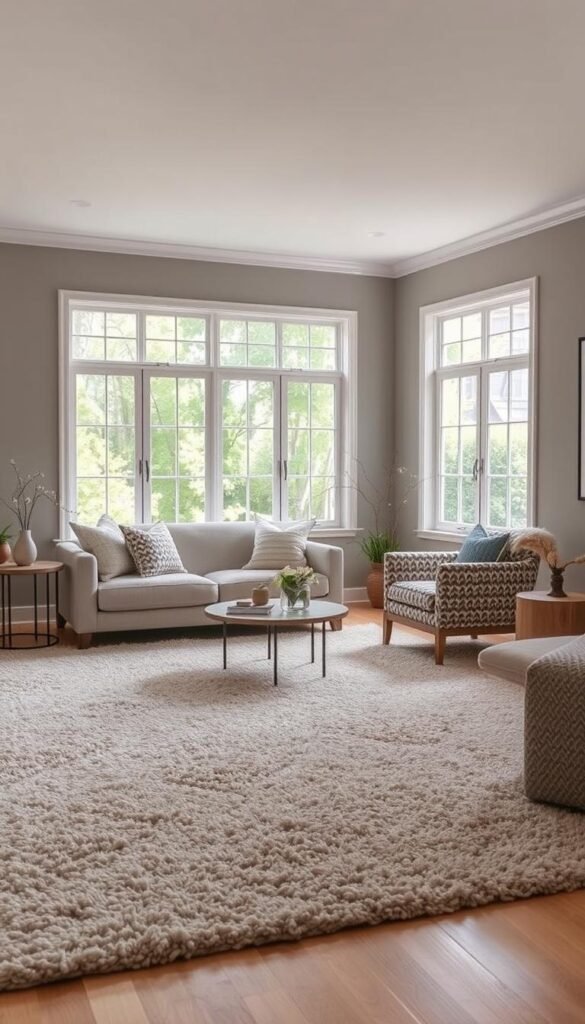
Balancing Warmth and Coolness
Neutral rooms can feel cold if not balanced right. To make it cozy, mix warm and cool tones. For example, gray walls with beige furniture creates a welcoming space.
Avoiding Overwhelming Monotony
Too much neutrality can be boring. To avoid this, add varied elements like different neutrals, textures, and statement pieces. This keeps the room interesting without losing the neutral theme.
The Importance of Texture and Pattern
Texture and pattern are key in a neutral living room. Mixing textures like velvet, linen, and wood adds depth. Patterns from rugs, throw pillows, or wallpaper add complexity and interest.
| Element | Examples | Benefits |
|---|---|---|
| Texture | Velvet sofas, linen curtains, wooden furniture | Adds depth, creates tactile experience |
| Pattern | Rugs, throw pillows, wallpaper | Introduces visual interest, breaks monotony |
| Neutral Shades | Beige, gray, taupe | Provides versatility, creates calm ambiance |
Conclusion: Creating Your Perfect Neutral Living Room
A neutral living room is a blank slate for your style. You can choose from many colors like white, cream, greige, taupe, and gray. Each one offers a unique look.
Think about the mood you want in your room. Warm neutrals like beige and taupe make it cozy. Cool neutrals like gray and blue-gray bring calm. Mix textures, furniture, and decor to get the right feel.
In the end, a neutral living room is both timeless and flexible. Knowing the neutral color spectrum and avoiding common mistakes helps. Now, let's make your dream room a reality with neutral design.
FAQ
What are the benefits of using a neutral color palette in my living room?
Neutral colors are versatile and timeless. They fit many design styles. They also create a calm atmosphere, perfect for living rooms.
How do I choose the right neutral color palette for my living room?
Think about the natural light and furniture you'll use. Also, consider the mood you want, like calm or vibrant.
What is the difference between warm and cool neutrals?
Warm neutrals, like beige, have a yellow or red undertone. Cool neutrals, like gray, have a blue undertone. Warm neutrals are cozy, while cool neutrals are calming.
How can I add depth to a neutral color palette?
Add depth with different textures, like velvet or wood. Use various shades of neutrals. Metallic accents or statement pieces also add interest.
Can I use a neutral color palette in a small living room?
Yes, neutrals work well in small rooms. Lighter shades make rooms appear larger. Darker shades create coziness.
How do I balance warmth and coolness in a neutral living room?
Mix warm and cool neutrals for balance. Pair cool gray walls with warm beige furniture. This creates a harmonious look.
What are some common mistakes to avoid when designing a neutral living room?
Avoid using too many similar shades to prevent a flat look. Don't overwhelm with patterns or textures. Mix textures and add statement pieces to avoid these mistakes.
Can I use a neutral color palette in a modern minimalist living room?
Yes, neutrals are great for modern minimalist rooms. Use a simple color palette and natural materials for a clean look.
How can I make a neutral living room feel cozier?
Use warm-toned furniture and decor, like throw blankets and pillows. Add warm lighting, like table lamps, to enhance coziness.