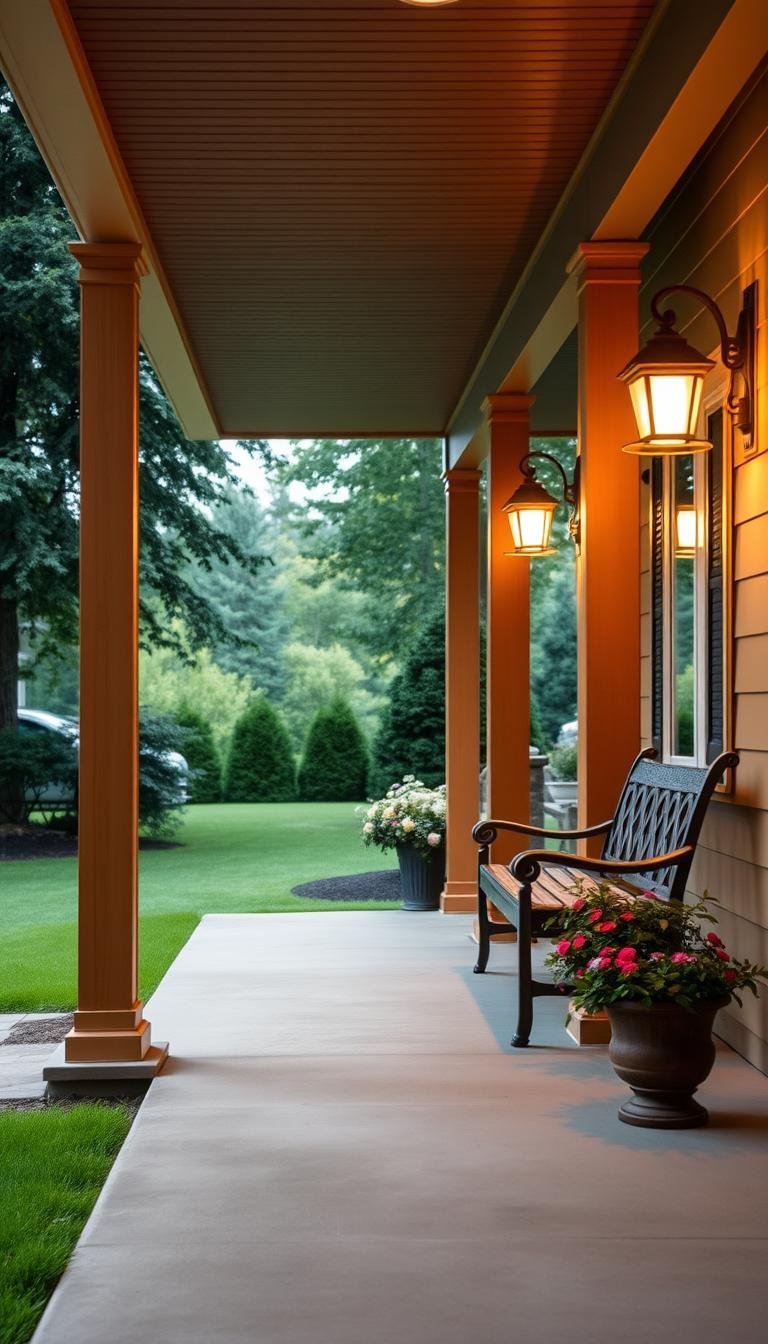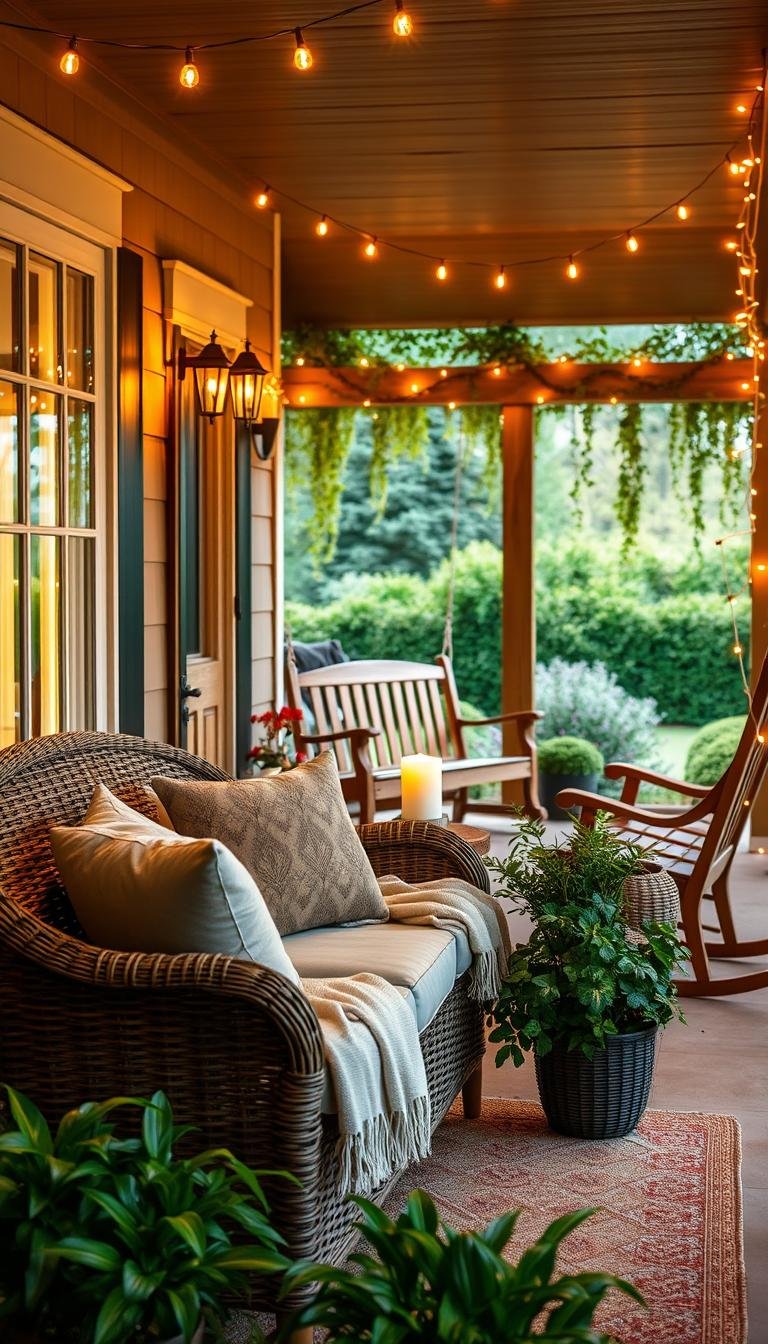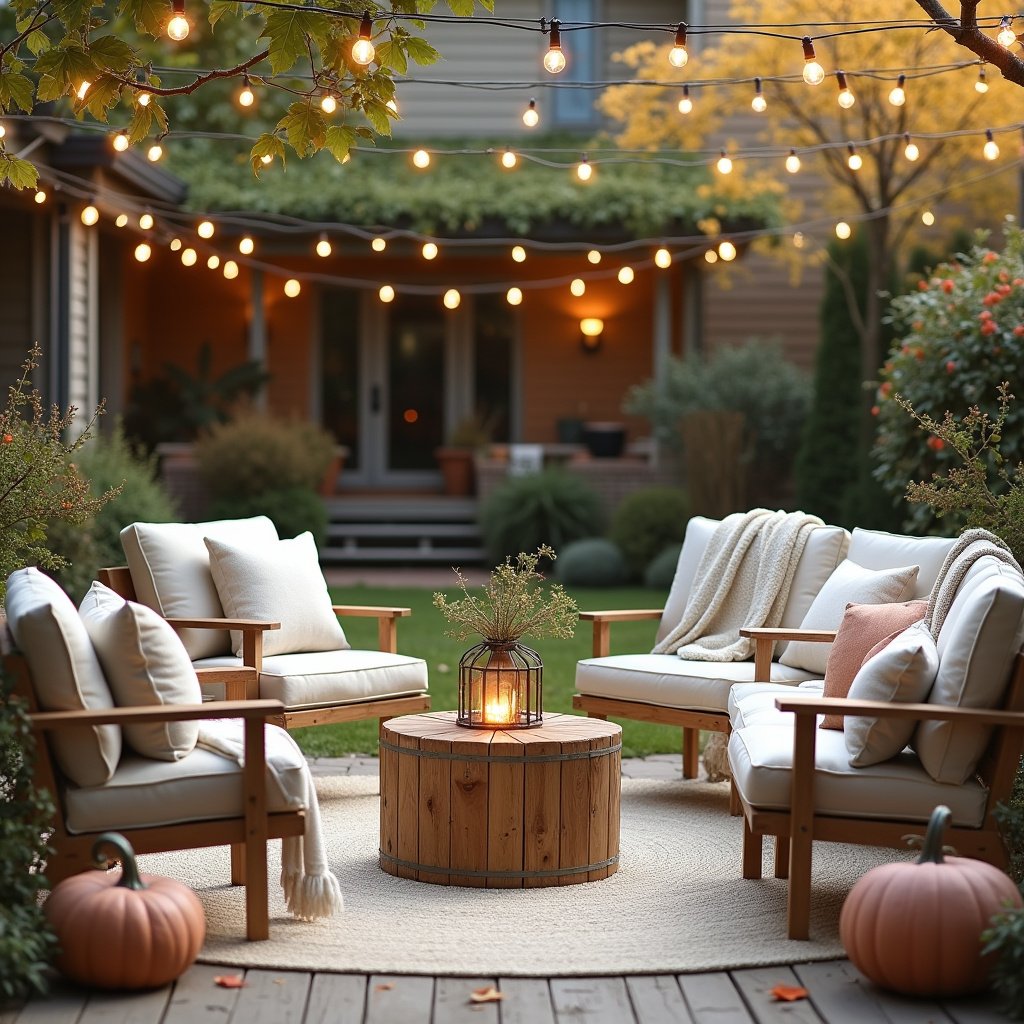
Spring is the perfect time to refresh your outdoor space. This guide shares Spring Garden Ideas and tips to create Beautiful Spring Garden Landscaping. Whether you’re a beginner or an experienced gardener, discover ways to transform your yard into a vibrant, inviting area.
Explore practical steps for planting, designing, and maintaining your garden. Learn about flowers, furniture, and eco-friendly practices to make your garden beautiful and functional. Every tip here is designed to help you enjoy gardening more this season.
Popular Spring Flowers for Your Garden
Spring is the perfect time to make your garden pop. Whether you're looking for Spring Flower Arrangement Ideas or a Seasonal Garden Planting Guide, picking the right flowers is key. Let's explore how to choose blooms that love spring's weather.
Top Choices for Colorful Blooms
Begin with tulips, daffodils, and hyacinths for a splash of color. These bulbs bloom early, bringing life to your garden. Mix purple crocus with white snowdrops for a beautiful look. Planting guides suggest grouping these for the best effect.
Perennials vs. Annuals: What to Plant
- Perennials: Choose peonies or lavender for a garden that comes back year after year.
- Annuals: Marigolds or pansies bring quick color but need replanting every year.
A Seasonal Garden Planting Guide can help mix both for beauty all year.
Unique Flowering Plants to Consider
Make your garden special with bleeding hearts or hellebores, which love shade. Foxgloves add height, while Siberian squill covers the ground. These plants bring texture and uniqueness to your garden.
Creating a Relaxing Outdoor Space
Make your garden a peaceful oasis this spring with Outdoor Spring Decor Inspiration. Whether for gatherings or quiet moments, thoughtful design turns your space into a cozy retreat. Discover Creative Spring Garden Projects that mix comfort and beauty for lasting fun.
Choosing Comfortable Garden Furniture
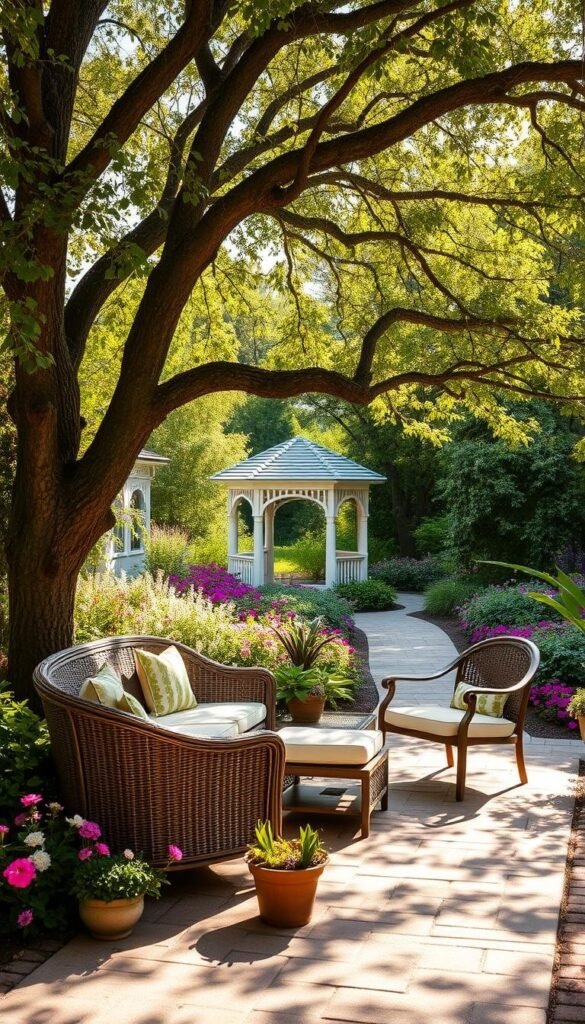
Choose furniture that lasts. Go for teak or aluminum from brands like Campania or Keter. Stackable chairs and modular sofas are flexible. Add weather-resistant cushions in soft textures for comfort all year.
Designing Cozy Seating Areas
Create inviting spots with these tips:
- Arrange seating in clusters for small groups.
- Layer textiles like woven rugs and patterned pillows.
- Add a side table for drinks or snacks.
Incorporating Shade Solutions
Beat the heat with these options:
- Pergolas draped with wisteria cast dappled light.
- Portable umbrellas on dining sets.
- Plant fast-growing trees like river birch for natural cover.
Combine these elements for a stylish and soothing space. Every detail, from a hammock swing to a shaded bench, makes your springtime sanctuary special.
Vegetable Gardens: A Spring Setup Guide
Turn your yard into a food paradise with these DIY Spring Garden Tips. Whether you're new or experienced, these Spring Garden Ideas will help you grow a lot. Start by picking the right crops and using smart planting methods.
Best Vegetables to Plant in Spring
Start with veggies that do well in cooler weather:
- Leafy greens: Lettuce, spinach, and kale do great in early spring.
- Root veggies: Carrots and radishes grow fast in well-drained soil.
- Peas: Plant these climbers first for an early harvest in zones 3–9.
- Tomatoes: Start seeds indoors in March for transplanting after the frost.
Companion Planting Techniques
Plant together for mutual benefits:
- Basil + Tomatoes: Repels pests and makes tomatoes taste better.
- Marigolds + Cucumbers: Keeps beetles away and improves soil health.
- Onions + Carrots: Their scent confuses carrot fly predators.
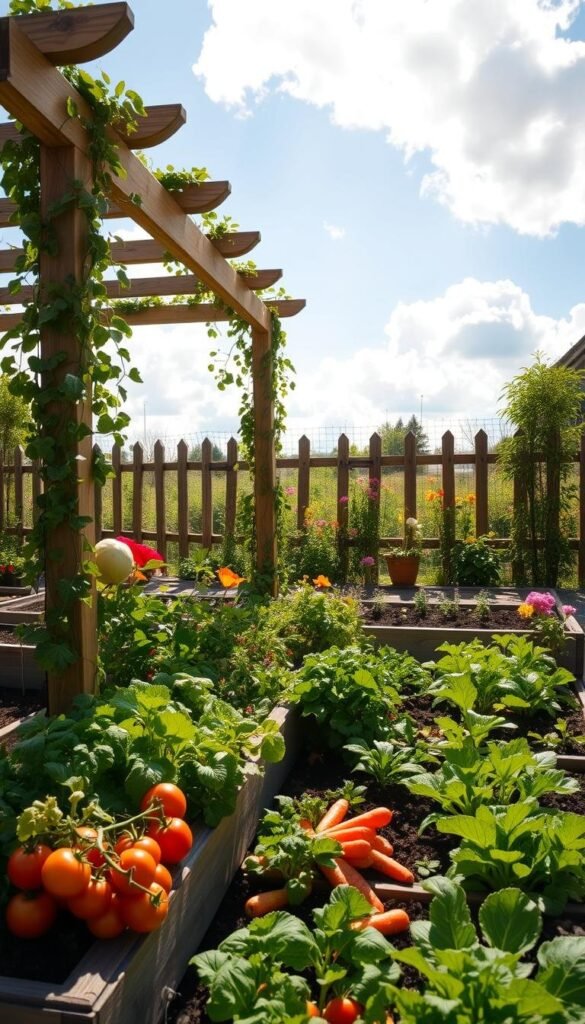
Setting Up Raised Garden Beds
Build strong beds with these steps:
Use untreated cedar or composite wood for lasting quality. Make beds 3–4 feet wide for easy access. Mix topsoil, compost, and perlite for good drainage. Place beds where they get 6–8 hours of sunlight a day.
Pro tip: Raise beds 8–12 inches for better drainage and root growth.
Sustainable Gardening Practices
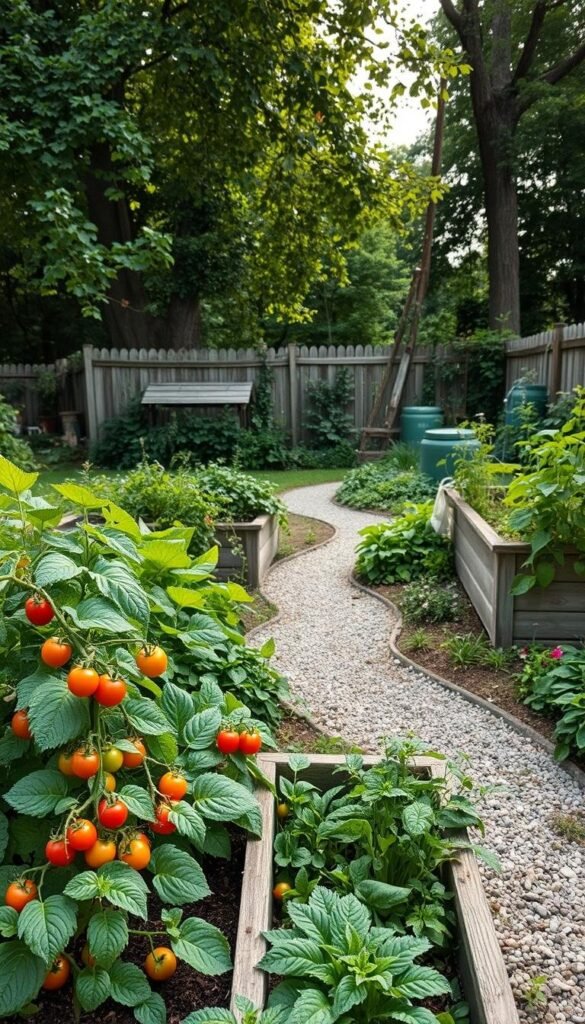
Make your garden eco-friendly with practices that help the planet and make care easier. Start by picking native plants that fit your area. They need less water and no pesticides.
In the Midwest, milkweed helps pollinators. In the East, coneflowers do well. These plants are easy to care for and support local wildlife.
Using Native Plants for Eco-Friendly Gardens
Native plants like black-eyed Susans or goldenrod fit local climates well. They grow deep roots, preventing soil loss and attracting animals. Use the USDA Plant Hardiness Zone Map to find the right plants for your area.
A gardening expert says: “Native plants are nature’s blueprint for low-effort, high-impact gardens.”
Composting Basics for Beginners
Composting turns kitchen scraps into “black gold.” Collect fruit peels, coffee grounds, and yard waste in a bin. Mix greens (like fruit peels) with browns (like leaves).
Stir the pile every month. This compost makes soil rich, cutting down on synthetic fertilizers.
Water Conservation Techniques
Save water with drip irrigation systems. They send water straight to the roots. Mulch around plants to keep soil moist and stop weeds.
Water in the early morning to reduce evaporation. These methods follow the Seasonal Garden Planting Guide to keep plants healthy with less water.
Vertical Gardening Solutions
Turn blank walls and corners into lush green spaces with vertical gardening. These Creative Spring Garden Projects add depth to any yard or patio. They mix beauty with function, perfect for small areas. You can grow herbs, flowers, or veggies without losing style.
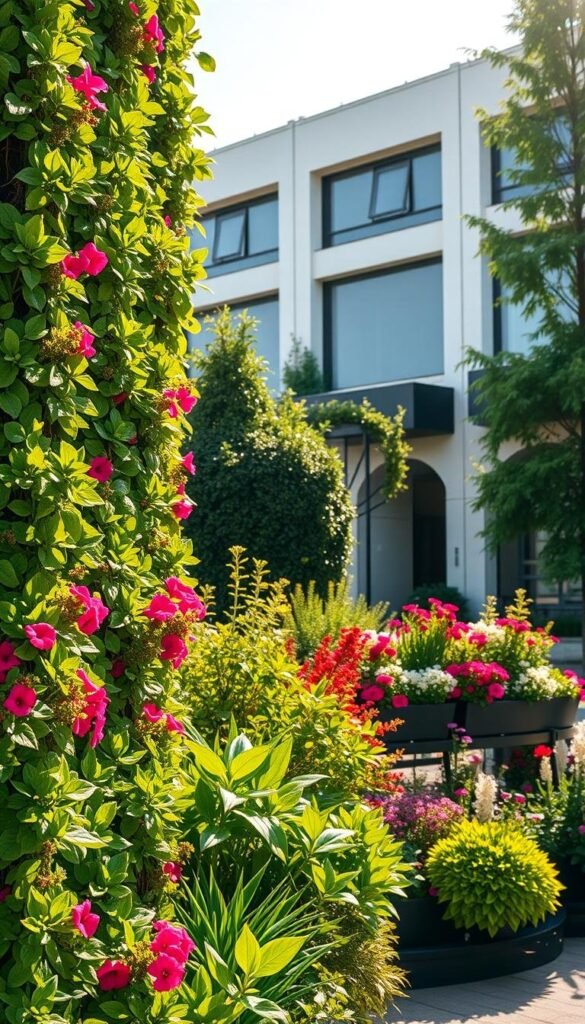
Benefits of Vertical Gardening
Vertical gardens save space and boost plant health. Plants grow up, not out, which means less competition for nutrients. They also make Beautiful Spring Garden Landscaping pop with vertical color. The benefits include:
- Easier pest control and sunlight access
- Less soil-borne disease risk
- Quick harvests from eye-level planters
Creative Vertical Planters
Try these ideas for fresh Creative Spring Garden Projects:
- Pallet planters: Reuse wooden pallets for herb or succulent displays
- Stackable wall planters: Brands like Trellis offer modular systems for sun or shade
- Metal grid frames: Hang baskets from sturdy grids for cascading flowers
Maintenance Tips for Vertical Gardens
Keep your plants healthy with smart care:
- Water daily using drip irrigation kits (try Gardener's Supply drip lines)
- Use lightweight potting mix blended with compost
- Rotate plants to ensure even light exposure
Vertical gardens bring life to any space—no matter how small. Start small and grow as you learn what works best for your setup.
Spring Garden Decor and Accessories
Turn your outdoor area into a personal retreat with Outdoor Spring Decor Inspiration. It should be both beautiful and useful. Choose durable materials for statues or art that can handle the weather.
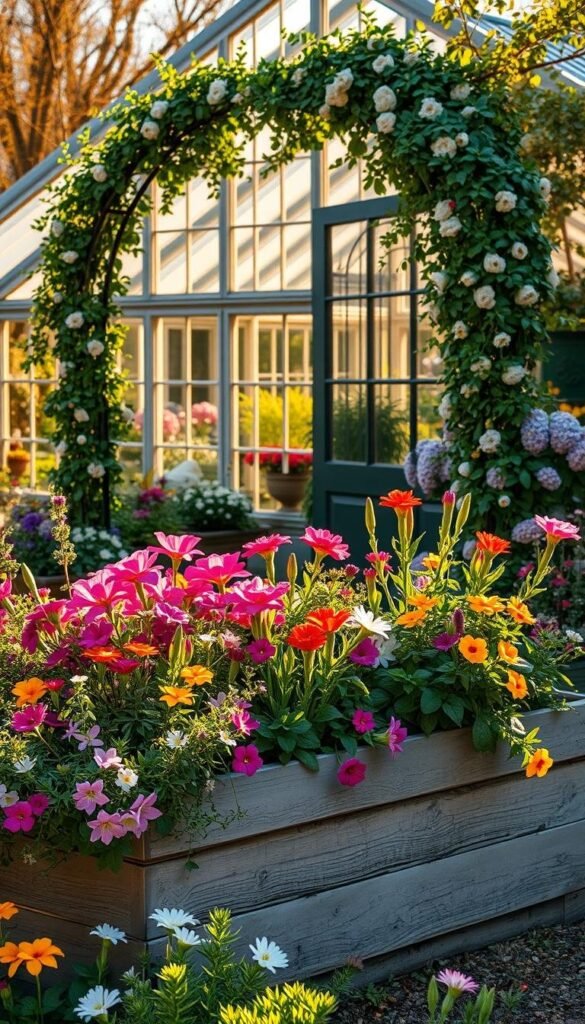
Choosing Garden Statues and Art
Go for resin or stone sculptures that don't fade or get damaged by water. Pick whimsical animals or abstract designs to add flair without taking over. Put taller pieces near entrances or key spots for the best effect.
Adding Lighting for Ambience
Use solar-powered string lights to light up paths or install uplights under trees for stunning shadows. Copper or glass lanterns add a cozy feel. Make sure the lighting complements your Spring Garden Ideas without overpowering them.
Functional and Decorative Garden Items
- Decorative rain barrels with floral patterns collect water and look great.
- Artistic trellises serve as plant supports and eye-catching features.
- Galvanized metal planters are durable and fit modern or rustic styles.
Don't overdo it—group decor in threes or fives for a balanced look. Mix metallics like bronze and brass to connect different pieces. A bench with a woven seat adds both comfort and texture.
Attracting Pollinators to Your Garden
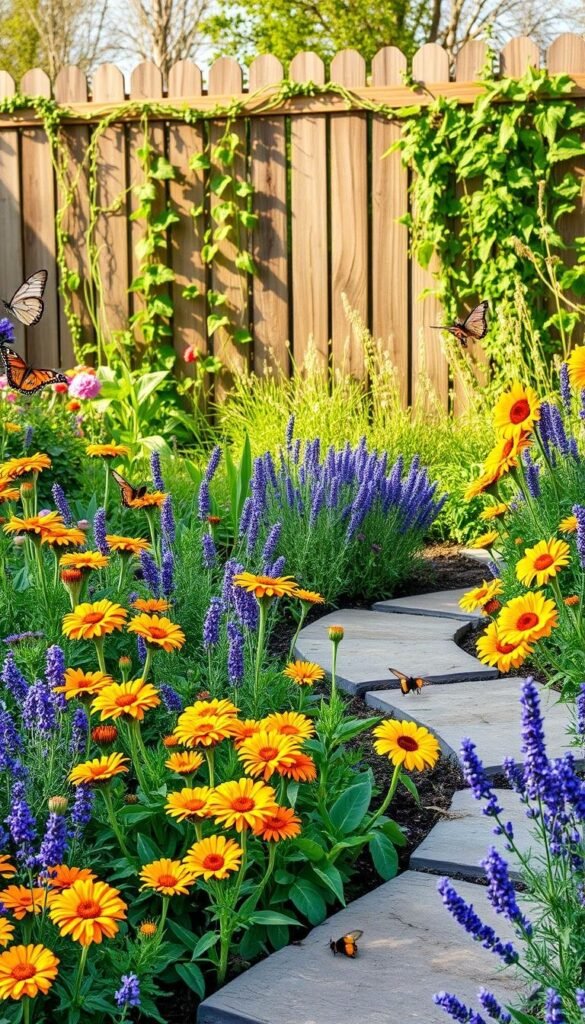
Bees and butterflies are garden heroes. They turn blossoms into bountiful harvests. By designing spaces for them, you boost plant health and color. The Seasonal Garden Planting Guide shows how spring blooms like lavender and milkweed draw pollinators to your yard.
Importance of Bees and Butterflies
These insects transfer pollen between flowers. This helps plants produce fruits and seeds. Without them, gardens would lack color and productivity. Bees pollinate 75% of leading global crops, making them essential for both nature and your backyard.
Planting for Pollinator Activities
Include Spring Flower Arrangement Ideas like clusters of coneflowers and phlox. Add herbs such as basil and thyme for extra nectar. Plant in groups to create visible landing spots for pollinators.
- Choose native plants suited to your region.
- Pick flowers in varied colors and shapes.
- Include early and late bloomers for year-round support.
Creating Habitat Spaces
Provide shelter with simple fixes:
- Hang bee hotels in sunny spots.
- Leave bare soil patches for ground-nesting bees.
- Fill shallow dishes with pebbles for butterfly sipping areas.
Avoid pesticides to keep habitats safe. Wildflower patches and untended corners offer nesting spots too.
Gardening for Small Spaces
Even the smallest balcony or courtyard can come alive with smart ideas. Turn tiny spots into green oases with these clever tips:
"Gardening is the art of working with what you have to create what you want." — Marie Iannotti, gardening expert
Maximizing Limited Space with Smart Designs
Choose items that serve more than one purpose, like benches with built-in planters. Hang shelves to save floor space. Use mirrors to make areas look bigger by reflecting plants.
Divide spaces into zones. Use corners for dining, seating, or growing herbs. This makes your area more functional and beautiful.
Container Gardening Ideas
- Grow compact veggies like lettuce and radishes in pots
- Combine trailing plants (e.g., strawberries) with upright varieties in tiered containers
- Repurpose items like buckets or wheelbarrows as planters
Vertical Solutions for Urban Gardens
Mount gutter planters on fences for herbs. Stack plant hangers to save space. DIY Spring Garden Tips include using old wood for tiered wall gardens.
Turn railings into vine supports with twine or netting. Creative Spring Garden Projects might include living privacy screens with ivy or ferns.
Every inch can be used creatively. Swap out seasonal plants in containers for constant beauty. Small-space gardening is a chance to be creative. Start small, think vertically, and watch your space flourish.
Seasonal Garden Maintenance Tips
Keeping your garden in top shape through spring is key to its health and beauty. These Easy Spring Garden Maintenance Tips make upkeep simple. They help your plants grow strong and keep your garden looking great. Let's look at the essential steps to protect your garden and enjoy a vibrant space all season.
Preparing Your Soil for Spring
Before planting, test your soil's nutrients. Add compost or organic matter to boost fertility and drainage. Mulching around plants keeps moisture in and weeds out, perfect for root growth. This is the first step to a lush Beautiful Spring Garden Landscaping.
Watering Guidelines as Plants Bloom
Change your watering schedule as the weather warms up. Water deeply but not too often to promote strong roots. Watering in the morning helps prevent evaporation. Drip irrigation systems are also efficient. Watch container plants closely, as they dry out faster.
Pest Control Strategies for Spring Gardening
Check your plants every week for pests like aphids or slugs. Use insecticidal soap for soft-bodied pests and copper tape to keep slugs away. Planting flowers that attract ladybugs helps too. Catching pests early prevents damage and keeps your garden looking perfect.
By following these steps, your garden will flourish. These Easy Spring Garden Maintenance Tips ensure a thriving landscape that shows your hard work. A bit of care now will keep your Beautiful Spring Garden Landscaping a source of pride all season.