Imagine your backyard full of color and life, needing little care. Wild Flower Garden Landscaping makes ordinary yards into beautiful gardens. These gardens use plants that fit the local climate, saving water and helping pollinators.
Choosing wild flowers is more than a trend; it's wise. Unlike regular lawns, these gardens save time and resources. They also add beauty all year round. See how native blooms can attract butterflies, bees, and birds, making your yard beautiful and eco-friendly.
Why Choose Wild Flower Garden Landscaping?
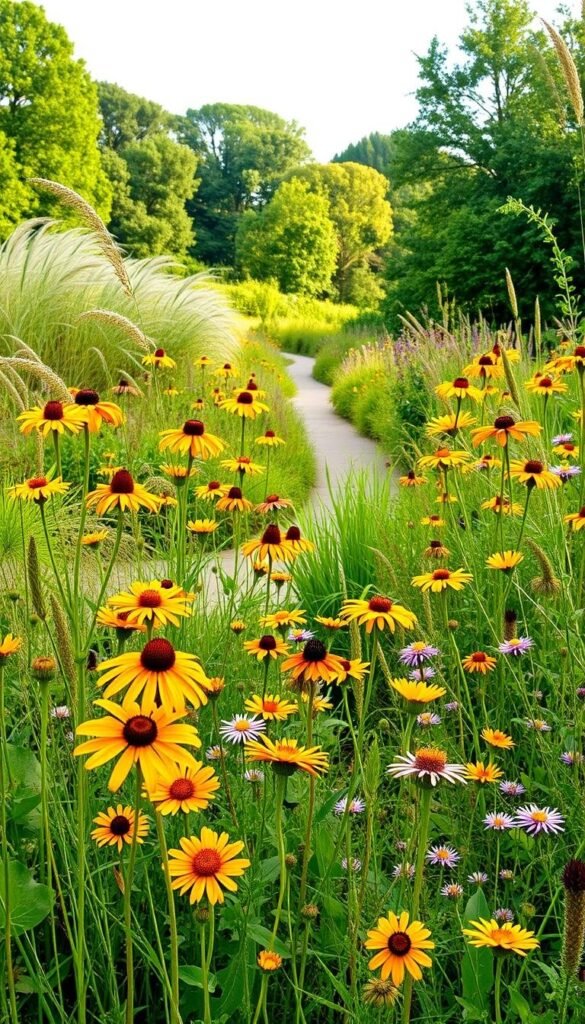
Wild flower gardens are more than pretty. They're a smart pick for those wanting easy outdoor spaces that help the planet. Let's dive into why native wildflowers and green landscaping are becoming favorites.
Benefits of Native Plants
Native wildflowers need little care. They've learned to live well in local weather, saving water and avoiding harsh chemicals. For instance, coneflowers and black-eyed Susans have deep roots, making them drought-tolerant and simple to tend.
Environmental Impact
Wildflower gardens are good for local wildlife. They offer food for bees, butterflies, and birds. By picking native plants, you steer clear of invasive species that harm natural areas. These flowers also keep soil in place, stopping erosion and runoff.
Aesthetic Appeal
Picture a garden that changes with the seasons. Native wildflowers bring color all year, creating stunning views. Unlike uniform lawns, these gardens add depth and movement, fitting perfectly with nature. Green landscaping turns yards into living art, keeping beauty intact.
Planning Your Wild Flower Garden
Effective garden planning is key to a lively, healthy wildflower garden. First, get to know your land's special features before picking plants or tools. Here's how to start:
Assessing Your Space
Start by mapping your yard's sunlight. Mark areas with full sun, partial shade, or full shade. Keep a notebook to track sunlight patterns over a week.
Check soil drainage by digging small holes. Fill them with water and see how fast they drain. If drainage is poor, add compost later.
Choosing the Right Flowers
Focus on wildflower seeds that are native to your area. For example, coneflowers work well in the Midwest, while black-eyed Susans are great in the East. Mix different species with staggered bloom times for color all year.
Avoid invasive plants like purple loosestrife.
- Check USDA Plant Hardiness Zone maps for species compatibility
- Pair tall plants (e.g., sunflowers) with shorter varieties (e.g., clover)
Designing Your Layout
Go for natural groupings instead of straight rows. Scatter seeds in clusters to look like a meadow. Leave open spaces for pollinators to move around.
Use garden stakes to mark planting areas. Sketch your design on graph paper, noting sunlight angles and trees. This plan ensures every wildflower seeds spot supports health and beauty.
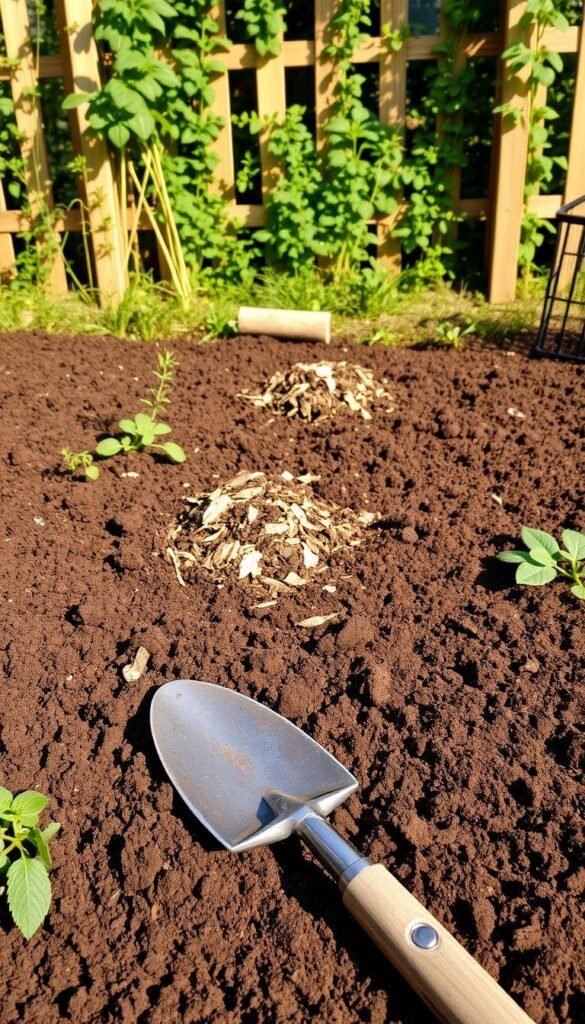
Healthy soil is key for a thriving Wild Flower Garden. Start by understanding your soil’s needs. This will help create an eco-friendly garden that supports native plants. Follow these steps to prepare a strong foundation for success.
Testing Your Soil
Begin with a soil test to find out pH levels and nutrient needs. You can use a DIY kit or get lab analysis from your local extension office. Most wildflowers do well in slightly acidic to neutral soil (6.0–7.0).
Adjust pH levels slowly with organic amendments like sulfur or lime.
Amending the Soil
Add organic matter like compost or leaf mold to improve soil structure. Don't over-fertilize—many wildflowers grow well in average soil. For clay-heavy ground, mix in coarse sand to help with airflow.
Layer mulch to keep moisture in and weeds out naturally.
Ensuring Good Drainage
Test drainage by digging a hole and filling it with water. If water pools for hours, add gravel or plant in raised beds. Use permeable materials to mimic natural habitats.
Good drainage prevents root rot and helps roots grow strong.
Planting Techniques for Success
Learning how to plant right is key to a beautiful backyard garden with little work. The right timing, spacing, and watering are essential for beautiful flowers.
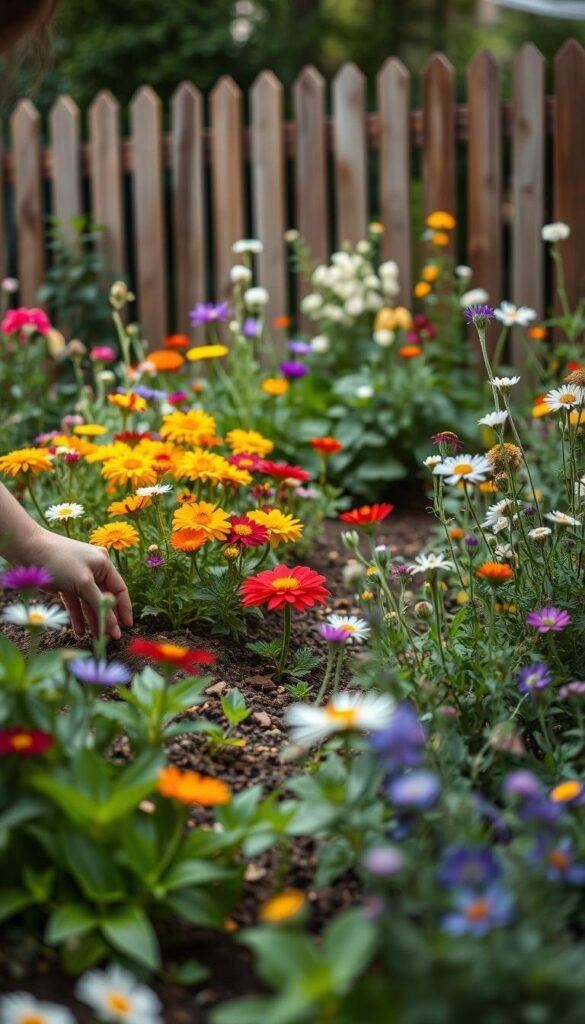
Timing Your Planting
Plant cold-loving plants like lupines or coneflowers in fall. They need cold to grow. Warm-season flowers like black-eyed susans are best in early spring. Always check the seed packet for specific instructions.
- Fall planting: Ideal for native species needing cold stratification
- Spring planting: Perfect for heat-tolerant varieties
- Follow natural cycles to reduce long-term care
Spacing and Depth Recommendations
Spread seeds naturally, without straight lines. Most seeds need ¼ to ½ inch of soil. Space them loosely to avoid crowding. Letting nature guide you will give a wild look.
- Seed spacing: 6–12 inches apart for most varieties
- Thin seedlings if overcrowded to avoid competition
Watering After Planting
Water well after planting but don't soak. Use a soft spray to keep the soil moist. Once they're established, water deeply but not too often. This helps their roots grow strong.
“Deep watering builds resilience in low-maintenance flowers.”
By following these tips, your garden will grow into a stunning beautiful backyard garden. It will bloom beautifully year after year, with little effort from you.
Maintenance Tips for Wild Flower Gardens
Wildflower gardens are low-maintenance flowers but need regular care to stay vibrant. Sustainable landscaping works best when you balance effort with nature’s rhythms. Here’s how to keep your garden healthy without daily labor.
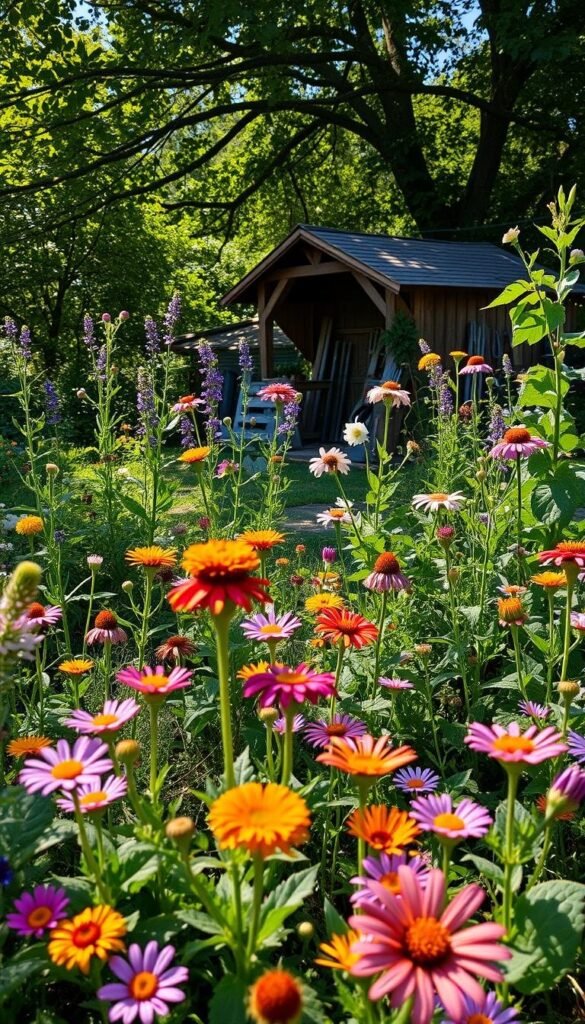
Weeding Strategies
Early detection is key. Check weekly for invasive weeds before they crowd out native plants. Use mulch like straw or wood chips to suppress weeds while retaining soil moisture. Hand-pull stubborn invaders when soil is damp for easier removal.
Deadheading and Pruning
Trim faded blooms promptly to redirect energy toward new growth. Use clean shears to cut spent flowers just above leaf nodes. Avoid over-pruning; let some seed heads stay to feed birds and self-sow next year’s blooms.
Seasonal Care Guidelines
- Spring: Thin overcrowded plants and add compost.
- Summer: Water deeply during droughts, focusing on new plantings.
- Fall: Allow seedpods to dry before trimming, then mulch for winter.
- Winter: Inspect for debris and clear dead foliage gently.
A little seasonal attention keeps wildflowers thriving. Pair these steps with sustainable landscaping practices to enjoy a garden that’s both beautiful and eco-friendly.
Attracting Pollinators
Your garden can be a lifeline for bees, butterflies, and other pollinators. A pollinator-friendly garden filled with native wildflowers offers food and shelter. This supports these vital creatures. Every planting choice helps reverse population declines and strengthens local ecosystems.
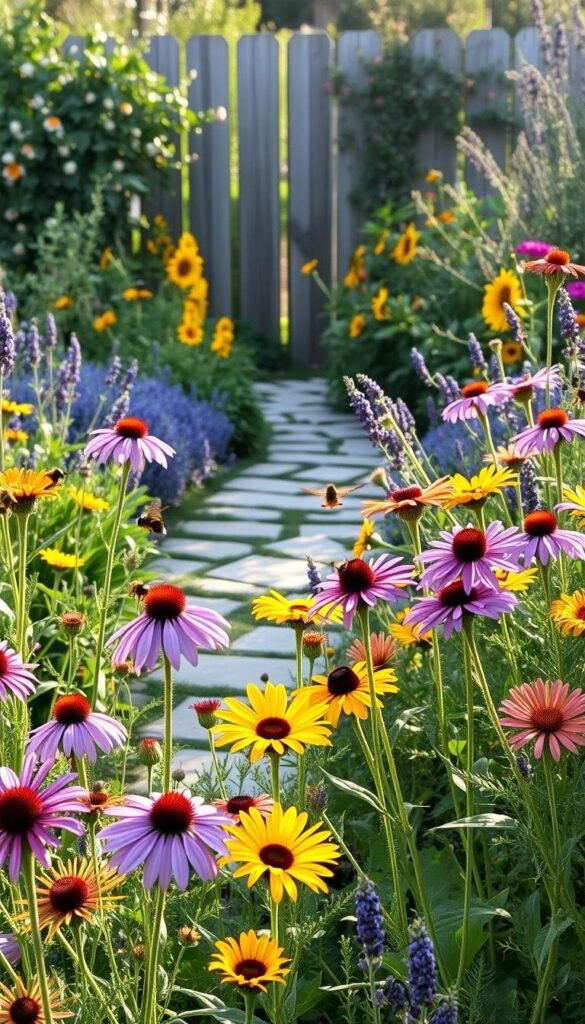
Selecting Pollinator-Friendly Plants
- Plant native wildflowers like milkweed, black-eyed Susan, and aster. These species naturally suit local pollinators’ needs.
- Choose blooms in varied colors and shapes to attract different species. Include early spring flowers and late-season varieties for year-round support.
Creating Habitat Spaces
- Add shallow dishes of water or mud puddles for butterflies to drink and mineralize.
- Leave bare soil patches for ground-nesting bees and protect leaf litter as overwintering sites.
- Install twig bundles or bee hotels for solitary bees to nest.
Importance of Bees and Butterflies
One-third of global crops depend on pollinators. Bees pollinate fruits and vegetables, while butterflies aid seed dispersal. By nurturing these insects, your garden becomes part of a larger conservation effort. Small actions like planting nectar-rich native wildflowers can reverse habitat loss in your community.
Incorporating Features into Your Garden
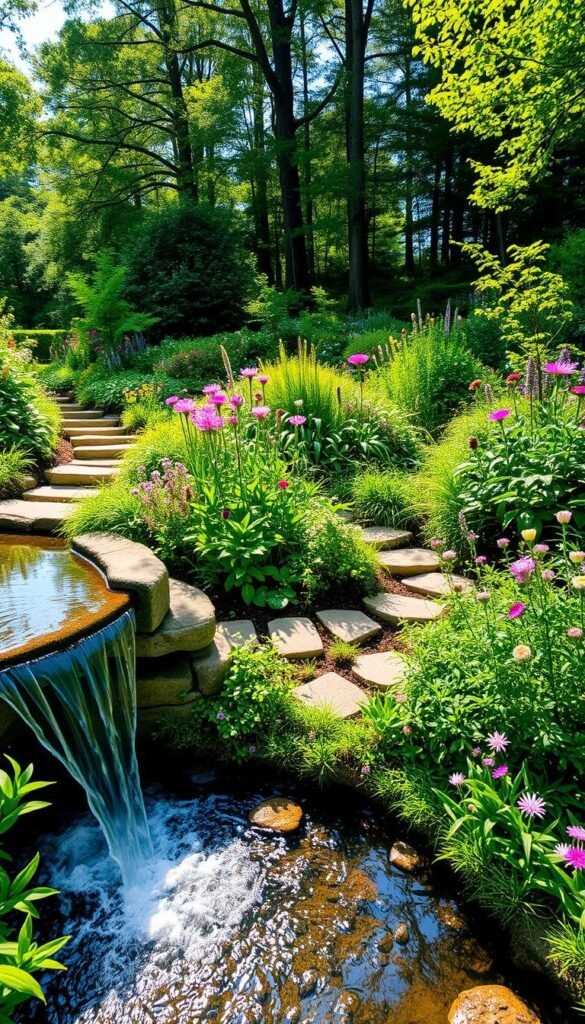
Make your wildflower garden more special with features that are both beautiful and green. Add things like pathways or seating to turn it into a beautiful backyard garden. It will be both useful and welcoming.
Pathways and Borders
Help visitors explore your garden without damaging the plants. Pick materials that fit with nature:
- Stepping stones spaced to avoid soil compaction
- Mulched trails that let water drain naturally
- Grass borders trimmed to frame beds without harsh lines
Water Features and Wildlife Grottos
A shallow birdbath or small pond brings life to your garden. Here are some ideas:
- Rain gardens to collect runoff and nurture native plants
- Small ponds with rocks for frogs and insects
- Birdbaths with sloped edges for easy bird access
Garden Benches and Seating Areas
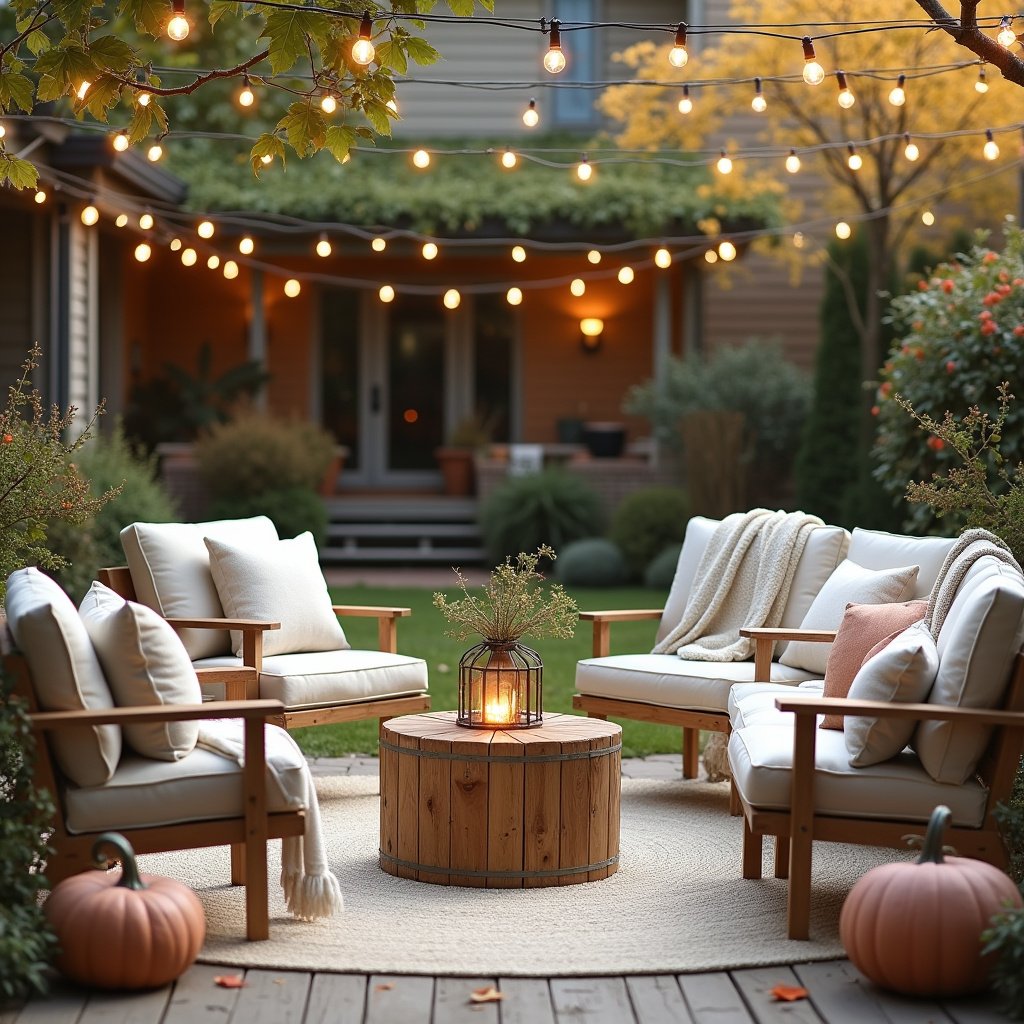
Create cozy spots that blend with nature. Use untreated wood or recycled materials for benches. Place them near flowers or water to enjoy the garden:
- Position seating near focal points like blooms or water
- Choose cedar or reclaimed wood for durability
- Add earth-toned cushions for comfort without clashing
Common Mistakes to Avoid
Garden planning needs careful attention to avoid common problems. Make sure your wildflower seeds grow well by avoiding these mistakes.
Overplanting and Crowding
Planting too many seeds can cause competition. This makes it hard for plants to get sunlight and nutrients. Follow the spacing on seed packets—most need 6–12 inches between them.
Thin out seedlings early to give them room to grow.
Neglecting Maintenance
Wildflower gardens need regular care. Not weeding or watering during dry times can harm young plants. Here are important steps:
- Remove weeds weekly during the first growing season
- Water seedlings during droughts
- Trim faded blooms to boost reblooming
Choosing Invasive Species
Some “wildflower seeds” include invasive plants like Dame’s rocket or Japanese honeysuckle. These spread too much. Check your state’s invasive list before buying.
Choose native plants from trusted sources like Native American Seed or Prairie Moon Nursery. Always confirm with local extension offices.
Avoiding these mistakes will make your garden planning successful. The right seeds and care create a beautiful, lasting space.
Seasonal Flowers for Year-Round Appeal
Wild Flower Garden Landscaping is best when you plan for every season. Native wildflowers fit local climates, changing colors from spring to winter. Map out which plants bloom when to make your garden always changing.
A garden that changes with the seasons is a living masterpiece, showing beauty and life all year.
Spring Blooms
Early spring brings out delicate flowers like Trillium and Virginia bluebells. These plants bloom before trees leaf out, loving dappled shade. Add spring beauties or bloodroot for short but bright shows.
- Trillium: Forms clusters of white-petaled blooms
- Virginia bluebells: Soft blue clusters in moist soil
- Woodland phlox: Fragrant pink flowers in early spring
Summer Highlights
Summer's heat doesn't stop native wildflowers from showing off. Coneflowers and black-eyed Susans draw pollinators with bright colors. Add liatris for height. These plants are tough and don't need much water.
- Coneflowers (Echinacea): Purple blooms that seed for next year
- Blazing star (Liatris): Tall spikes of pink flowers
- Boneset: White blooms that resist summer drought
Fall and Winter Considerations
Don't let your garden sleep in fall! Asters and goldenrod bloom late, helping migrating monarchs. Keep seed heads of sunflowers and coreopsis for winter interest. Evergreen sedges add texture when flowers disappear.
- New England aster: Lavender petals into October
- Switchgrass: Adds golden fall color and winter structure
- Blazing star seed heads: Winter snacks for finches
Combine these plants with evergreen shrubs like winterberry holly for year-round beauty in your Wild Flower Garden Landscaping project.
Resources for Further Learning
Expand your knowledge of wildflower gardening with trusted resources. Whether you're working on an eco-friendly garden or a pollinator-friendly one, these tools will help. They guide you on your next steps.
Recommended Books and Blogs
Check out “The New England Wild Flower Society Guide to Growing and Propagating Wildflowers” for practical tips. Wildflower.org and Pollinator.org blogs share insights on native plants and seasonal care. These resources help you create spaces that support bees, butterflies, and sustainable landscapes.
Local Gardening Clubs
Join local groups like your state’s Native Plant Society or county Master Gardener programs. These clubs offer workshops, plant swaps, and expert advice. Attending meetings connects you with neighbors who share your passion for eco-friendly gardens and habitat restoration.
Online Forums and Communities
Discuss techniques with enthusiasts on forums like GardenWeb or Facebook groups like “Wildflower Lovers USA.” These platforms share solutions for common challenges, such as managing invasive species or selecting drought-resistant blooms. Ask questions about pollinator-friendly garden layouts or soil care tips.
Your efforts to grow wildflowers don't stop here. Every step you take, from choosing native seeds to joining a club, helps protect local ecosystems. By learning and sharing, you'll keep improving your garden's beauty and its impact on the environment.