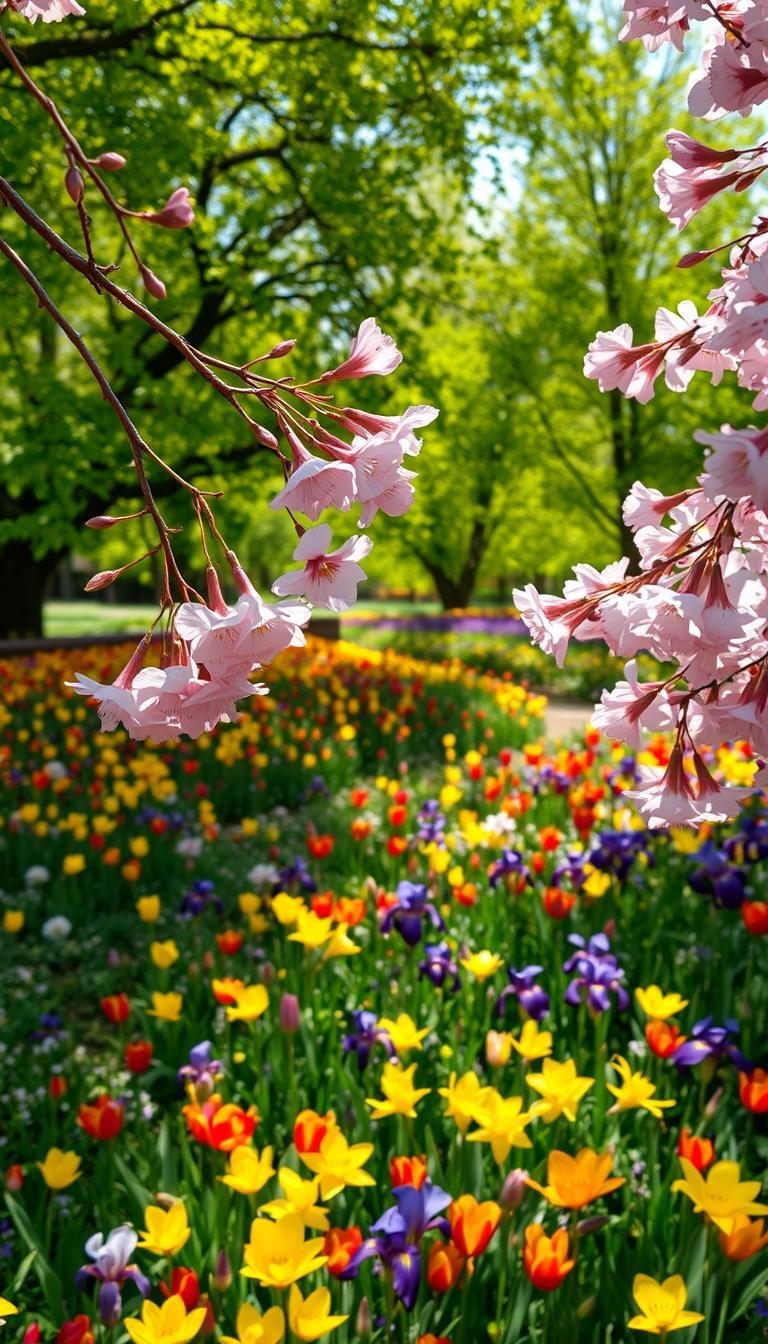
Winter's cold is fading, and Early Spring Flowers are starting to show. They bring vibrant colors to gardens. Crocuses and snowdrops lead the way, bringing hope and renewal.
These flowers mark the end of winter's long wait. They signal that warmer days are coming.
This guide is all about the beauty of Early Spring Flowers. We'll share tips on planting, care, and design. Find out which flowers do well in your area and how to keep them healthy.
Discover ways to enjoy these blooms indoors and outdoors. Let's celebrate spring with flowers that bring joy and growth!
The Joy of Early Spring Flowers
Early Spring Flowers burst with color after winter's dullness. They lift our spirits and show nature's renewal. These blooms thrive in cooler weather, bringing hope and beauty.
What Makes Them Special?
Early Spring Flowers are known for their toughness. They bloom through frost and snow, even when it's cold. Their hardiness makes them symbols of strength.
Many, like crocuses or snowdrops, bloom before trees leaf out. This lets them catch sunlight early. Their bright petals and delicate shapes add beauty to bare landscapes.
Seasonal Characteristics
When Early Spring Flowers bloom varies by region and type. Most bloom between late February and April. For example:
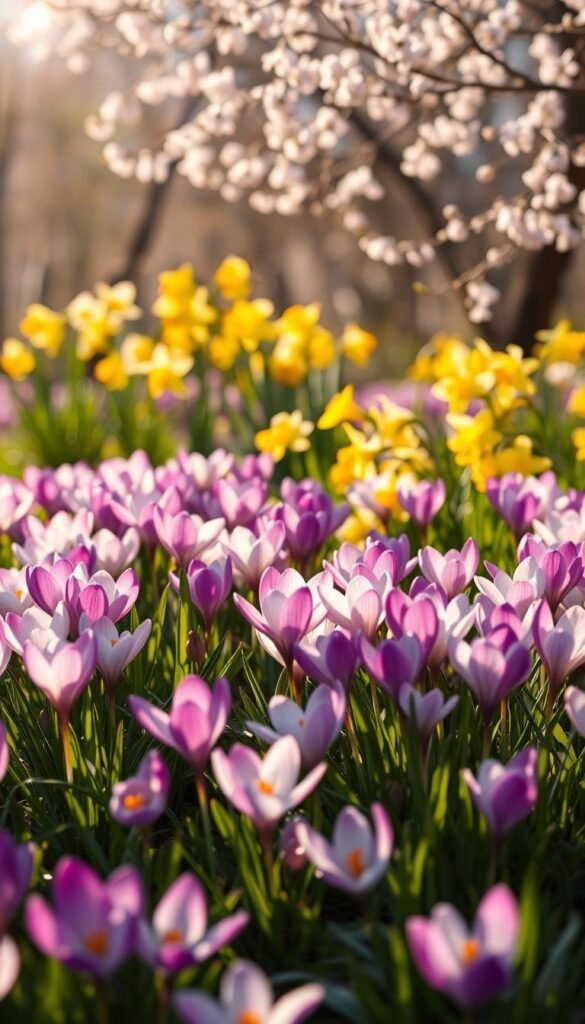
- Crocuses bloom as early as late February in mild climates.
- Daffodils typically appear in March.
- Snowdrops may flower even under thin snow cover.
These blooms last 2–6 weeks, depending on the weather. Cooler springs make them last longer, while warm spells shorten their time. Their brief beauty makes their arrival eagerly awaited each year.
“The first crocus is the crack of spring’s bat,” wrote naturalist Hal Borland. This quote captures their role as harbingers of warmer days.
Planting these flowers rewards gardeners with early color and emotional uplift. Their short but vibrant season marks the start of nature's cycles.
Popular Early Spring Flowers
As winter fades, Popular Early Spring Flowers brighten gardens. They bring vibrant colors and life to the landscape. These flowers bloom in cooler weather, signaling the start of spring.
Crocuses
Crocuses are small but pack a big punch. They bloom in purple, yellow, or white. Their ability to grow through frost makes them stand out.
Plant them in clusters for a stunning effect.
Daffodils
Daffodils announce spring with their bright yellow or white blooms. They love sunny spots and keep deer away. Their long-lasting flowers add a cheerful touch to any garden.
Snowdrops
Snowdrops look like white snowflakes. They bloom even when snow is around. They spread easily in lawns or shaded spots.
Hyacinths
Hyacinths have star-shaped flowers that smell sweet. They come in blue, pink, and purple. Their scent makes them perfect for borders or bouquets.
Planting Tips for Early Spring Flowers
To make your garden burst with color, start with the Early Spring Flowers Planting Guide basics. Planting crocuses or daffodils requires the right timing and soil. Follow these steps for a stunning display.
Best Time to Plant
Plant most early bloomers in fall, 6–8 weeks before the first frost. This allows roots to grow before winter. Check your USDA zone to know when to plant.
In zones 3–5, plant by November. For zones 7–9, you can plant until December. Dig holes 4–6 inches deep, spacing bulbs 3–5 inches apart. Cover with soil and water lightly. Mulch after planting to protect from temperature swings.
Soil Preparation
Healthy soil means healthy blooms. Follow these steps for optimal growth:
- Test soil pH. Most bulbs prefer 6.0–7.0; add lime if acidic.
- Loosen soil 12 inches deep to improve drainage. Remove rocks and weeds.
- Add compost or bulb fertilizer. Mix 2–3 inches of organic matter into the topsoil.
- Ensure beds slope slightly to avoid waterlogging. Raised beds work well in clay-heavy areas.
Pro tip: Avoid over-amending soil where tulips or daffodils are planted repeatedly. Rotate spots every 3–4 years to prevent disease.
Caring for Your Early Spring Garden
Successful Early Spring Flowers Care starts with knowing their needs. These flowers do well with little help but need attention at certain times. Whether it's crocuses or daffodils, regular care brings vibrant colors every season.
Watering Needs
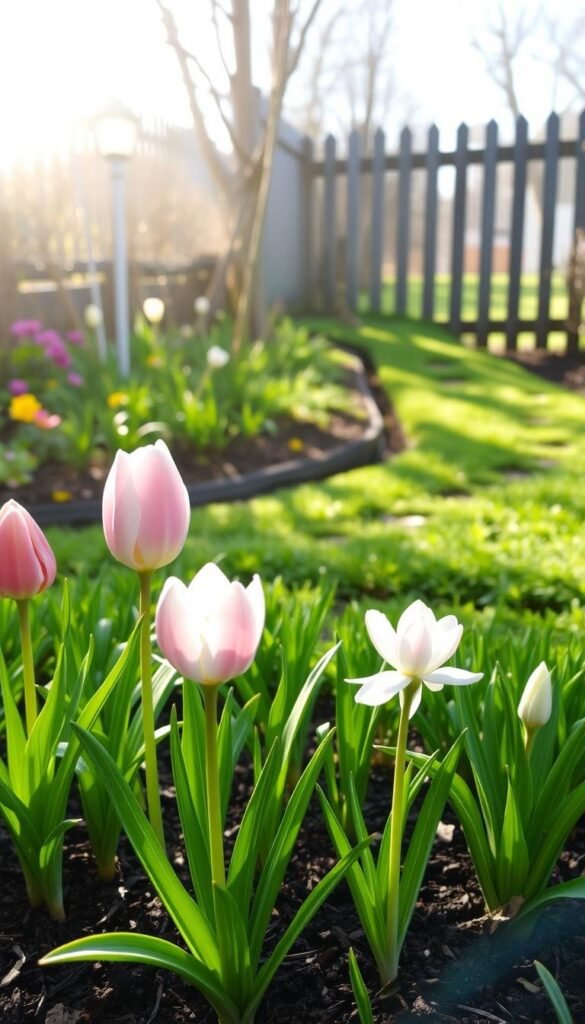
Timing is key. New bulbs need water right away to settle the soil. When shoots come up, water them once a week if it doesn't rain. Don't water from above to avoid rot—water the roots directly.
Don't overwater, as it can kill the roots. Check the soil moisture by poking it 2 inches deep.
Fertilization Tips
Start with a balanced 10-10-10 fertilizer in early spring, 3 inches from the stem. Apply again after they bloom to help them grow next year. Stay away from high-nitrogen fertilizers that make leaves green but delay flowers.
For the Best Early Spring Flowers like hyacinths, use a bulb fertilizer with bone meal. Split the fertilizer into two parts: one at planting, and another six weeks later.
“Less is more with early spring blooms—over-fertilizing weakens their natural resilience.” – Jane Green, Master Gardener
Remember to fertilize two weeks after planting and again when leaves appear. Let nature take over after flowers fade; bulbs store energy for next year's show.
How to Choose the Right Flowers
Choosing the best Best Early Spring Flowers begins with knowing your garden's needs. Let sunlight and climate guide your picks for vibrant blooms every year.
“Plants thrive when their natural preferences align with their environment.” — National Gardening Association
Sunlight Requirements
- Full sun lovers: Daffodils and crocuses need 6+ hours of daily sun.
- Partial shade options: Violets and snowdrops bloom beautifully in dappled light.
- Full shade: Consider winter aconite in darker garden corners.
Climate Considerations
USDA hardiness zones 3–8 offer flexibility for Early Spring Flowers for Landscaping. Cold regions benefit from snowdrops (hardy to zone 3). Warmer zones 7–8 suit tulips and hyacinths. Check microclimates near buildings or slopes for temperature variations.
Match flower hardiness to your area’s average frost dates. For example, Siberian squill thrives in harsh winters, while primroses prefer milder springs. Local nurseries can recommend varieties suited to your exact conditions.
Arranging Early Spring Flowers
Turn your garden into a colorful canvas with Early Spring Flowers. These tips help make your garden beds and borders stand out.
Complementary Colors
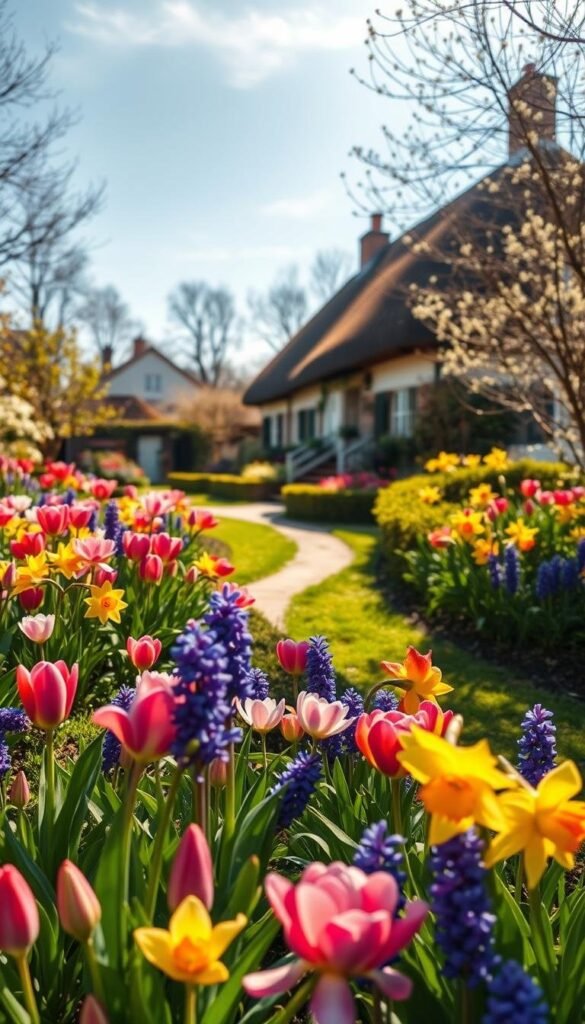
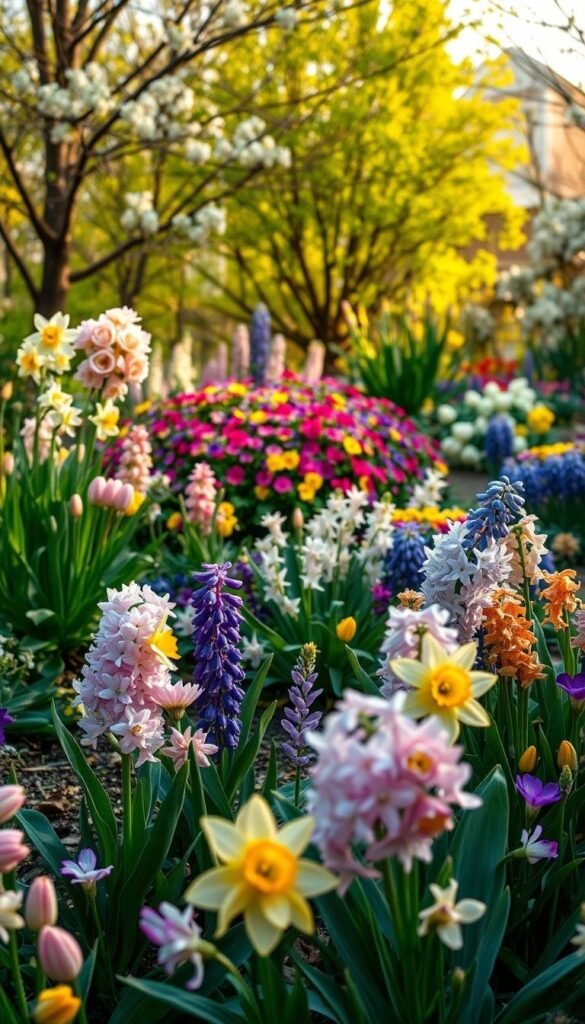
Color combinations make Early Spring Flowers for Landscaping pop. Try violet crocuses with yellow daffodils for a bold contrast. For a calm look, pair white snowdrops with pale blue muscari.
Combine warm and cool colors to add energy to your garden.
“Color harmony isn’t about rules—it’s about what makes your heart skip a beat.” – Garden Design Quarterly
Height Variations
Layer plants for depth. Start with short crocuses at the front. Then, add mid-height daffodils. Finish with tall hyacinths at the back.
Try grouping these plants for instant depth:
- Front layer: 3-4” tall (e.g., snowdrops)
- Middle layer: 6-12” (e.g., daffodils)
- Back layer: 12-18” (e.g., ‘King Alfred’ tulips)
Plant bulbs 3-4 inches apart to prevent overcrowding. This lets each plant shine and creates a unified look.
Be bold! Mix purple grape hyacinths with golden aconites for drama. Let your garden’s layout inspire your choices. Curved drifts or structured rows both work well. Even small spaces can be filled with springtime beauty.
Early Spring Flower Varieties to Try
Make your garden pop with these standout Early Spring Flowers Types. They add fresh colors and variety, matching the Popular Early Spring Flowers you know and love.
Tulips
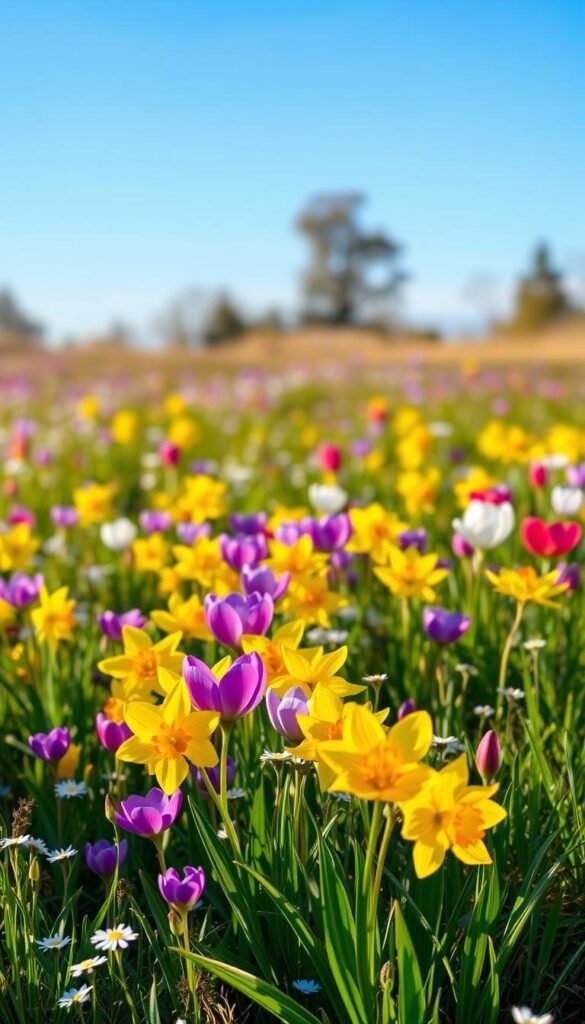
Early-blooming tulips like ‘Little Princess’ and ‘Single Early’ start showing off in April. They come in bright reds, sunny yellows, and deep purples. Plant them in groups for a striking look. Early Spring Flowers Types like these do well in well-drained soil and full sun.
Primroses
Primroses (Primula vulgaris) love shady spots, perfect for woodland gardens. Try ‘Java Rose’ for its soft pink, blue, and white petals. Their ruffled edges add texture to cool, damp areas. For the best look, plant in partial shade.
Iris
Dwarf Popular Early Spring Flowers like ‘Dutch Iris’ and Iris reticulata bloom in March. They have vibrant purple and yellow colors and grow just 6–8 inches tall. They're great for border edges. Pair them with snowdrops for a beautiful spring display.
These varieties add special charm to your garden. Whether you want bold tulip beds or delicate primrose clusters, these choices will brighten up your garden early. Mix them to create a stunning garden that shines before summer.
Attracting Pollinators with Early Blooms
Early Spring Flowers for Gardens do more than look good—they're essential for pollinators coming out of hibernation. These flowers, among the first to bloom, offer vital Early Spring Flowers Bloom Time nutrition when food is hard to find. Bees and butterflies need these early nectar sources to grow their numbers, helping ecosystems flourish.
"A garden without pollinators is like a symphony missing its melody," says the National Wildlife Federation. "Early blooms are their first notes."
Importance of Pollinators
Bees and butterflies do more than just pollinate. They help grow 75% of the world's crops, as the USDA reports. Early flowers like crocuses and hyacinths serve as nature's first aid stations. They give pollinators the energy they need to keep food webs alive. Without these blooms, ecosystems face big challenges.
Best Flowers for Bees and Butterflies
- Crocuses: Their bright petals draw bees as soon as snow melts.
- Primroses: Early butterfly species feed on their clusters of tiny blooms.
- Hyacinths: Strong fragrances guide pollinators to dense spikes of color.
Choose these varieties to make your garden a haven for pollinators. Planting in clusters makes it easier for insects to find them. Add sunny spots for the best nectar production. Every flower counts—small choices can make a big difference.
Early Spring Flower Decorations
Make your home and garden a spring paradise with Early Spring Flowers Types. These blooms bring color and life to any spot. Floral designer Emily Green says, “Early blooms are nature’s first celebration—bring that joy into every corner of your life.”
Indoor Arrangements
Bring spring inside with fresh bouquets. Pick strong blooms like daffodils or hyacinths for lasting beauty. Trim stems at an angle and change water often. Here are some ideas:
- Cluster small vases with single-color blooms for a simple look.
- Float crocus blossoms in glass bowls for a modern vibe.
- Use mason jars or geometric containers to show off bold colors.
Outdoor Displays
Explore beyond garden beds with:
- Window boxes: Plant Early Spring Flowers Types like snowdrops or tulips for a bright welcome.
- Hanging baskets: Fill with trailing blooms such as bluebells or alyssum.
- Upcycled containers: Turn teacups, buckets, or old wheelbarrows into planters.
Pair bold yellows and purples to match spring’s colors. Mix early bloomers with evergreens for texture all year. Let these ideas inspire you—make your home and garden shine!
Common Pests and Diseases
Protecting your early blooms starts with knowing what to watch for. Early Spring Flowers Care means spotting trouble signs early. Many issues come from poor drainage or too many plants. So, follow an Early Spring Flowers Planting Guide to lower risks.
Identifying Problems
Look for these clues:
- Aphids: Clusters on stems or leaves, causing curling foliage.
- Bulb Rots: Wilting plants or mushy bulbs signal overwatering or poor soil.
- Botrytis (Gray Mold): Fuzzy gray patches on petals in humid weather.
- Rodent Damage: Missing bulbs or chewed shoots.
Prevention Strategies
Prevent problems with these steps:
- Improve Drainage: Plant bulbs in raised beds to avoid waterlogging.
- Inspect Bulbs: Discard soft or spotted bulbs before planting.
- Mulch Smartly: Use compost instead of wood chips to deter slugs.
- Rotate Beds: Avoid planting bulbs in the same spot yearly to starve pests.
"Healthy soil is the first line of defense. A balanced pH and organic matter build natural resistance," says the National Garden Bureau.
Use organic methods like neem oil sprays with cultural practices. Early action keeps your garden thriving without harsh chemicals. Small steps today mean vibrant blooms tomorrow.
The Cultural Significance of Early Spring Flowers
Early Spring Flowers have a special place in our history and traditions. They bring beauty and meaning together. These flowers are more than just garden decorations; they carry messages of hope, renewal, and joy.
Symbolism Across Cultures
Daffodils and crocuses have deep meanings. Daffodils often symbolize new beginnings. Snowdrops stand for enduring through winter's end. In Japan, cherry blossoms represent the beauty that fades quickly, inspiring art and poetry.
Tulips, celebrated in Dutch culture, show diversity and strength. These symbols connect us to nature's cycles and shared stories.
Festivals Celebrating Spring Blooms
People around the world celebrate Early Spring Flowers with festivals. The Netherlands' Keukenhof festival is famous for its tulip displays. Washington D.C.'s cherry blossom festival draws crowds under blooming trees.
In Japan, hanami gatherings celebrate the beauty of the season. These events turn gardens into art, bringing people together to celebrate spring's return.