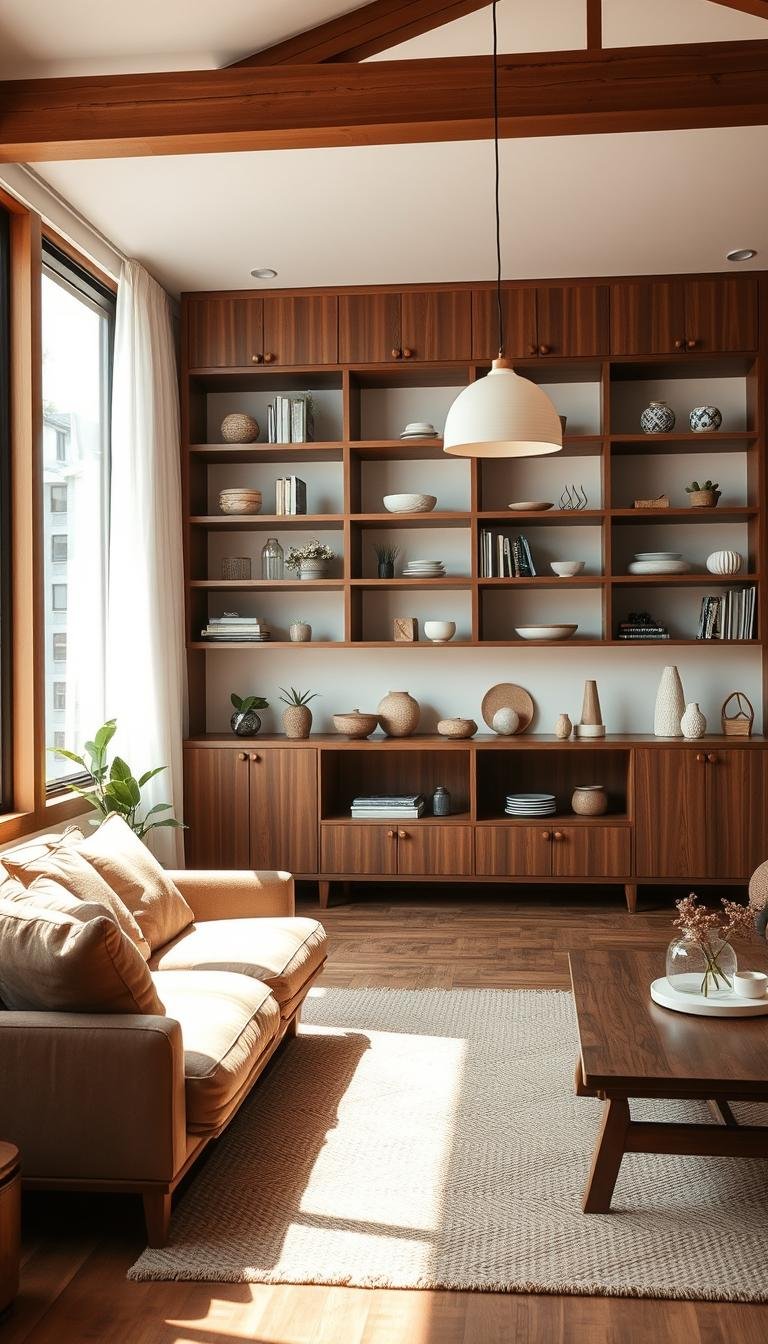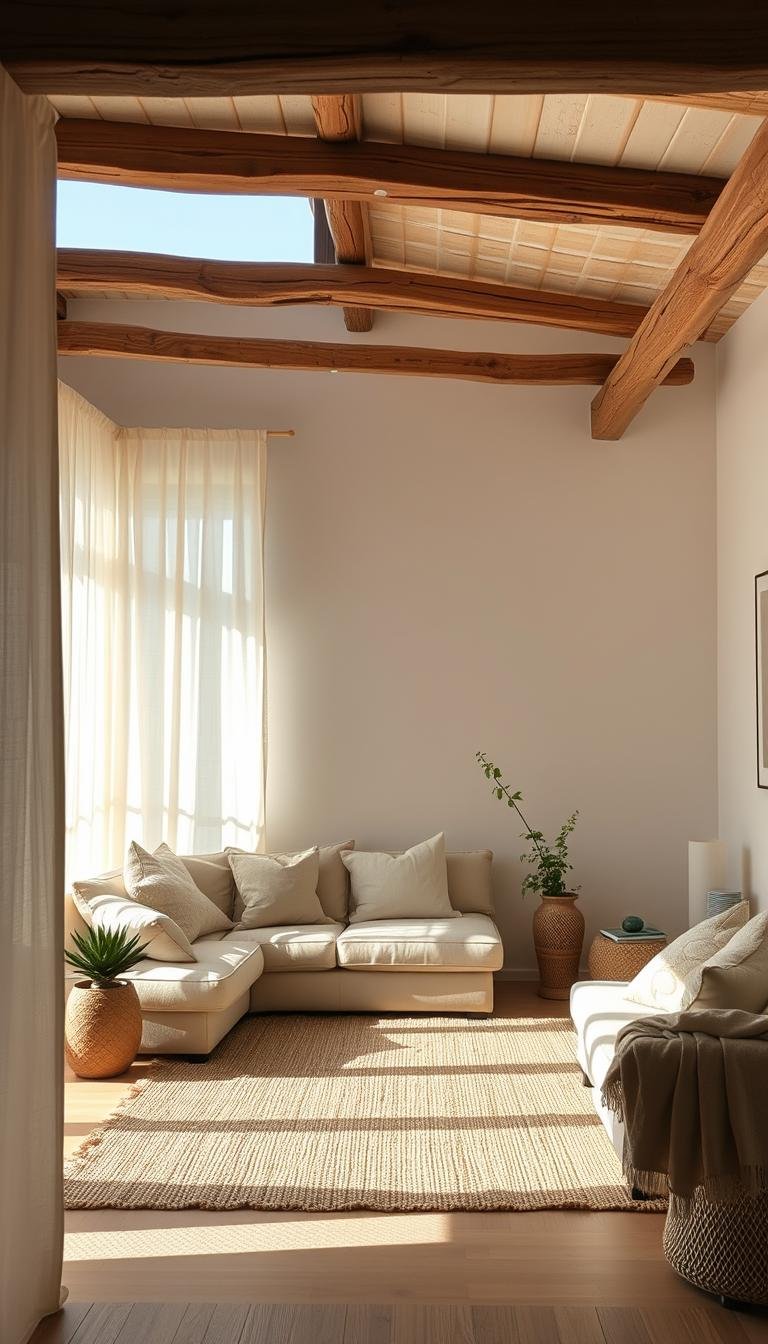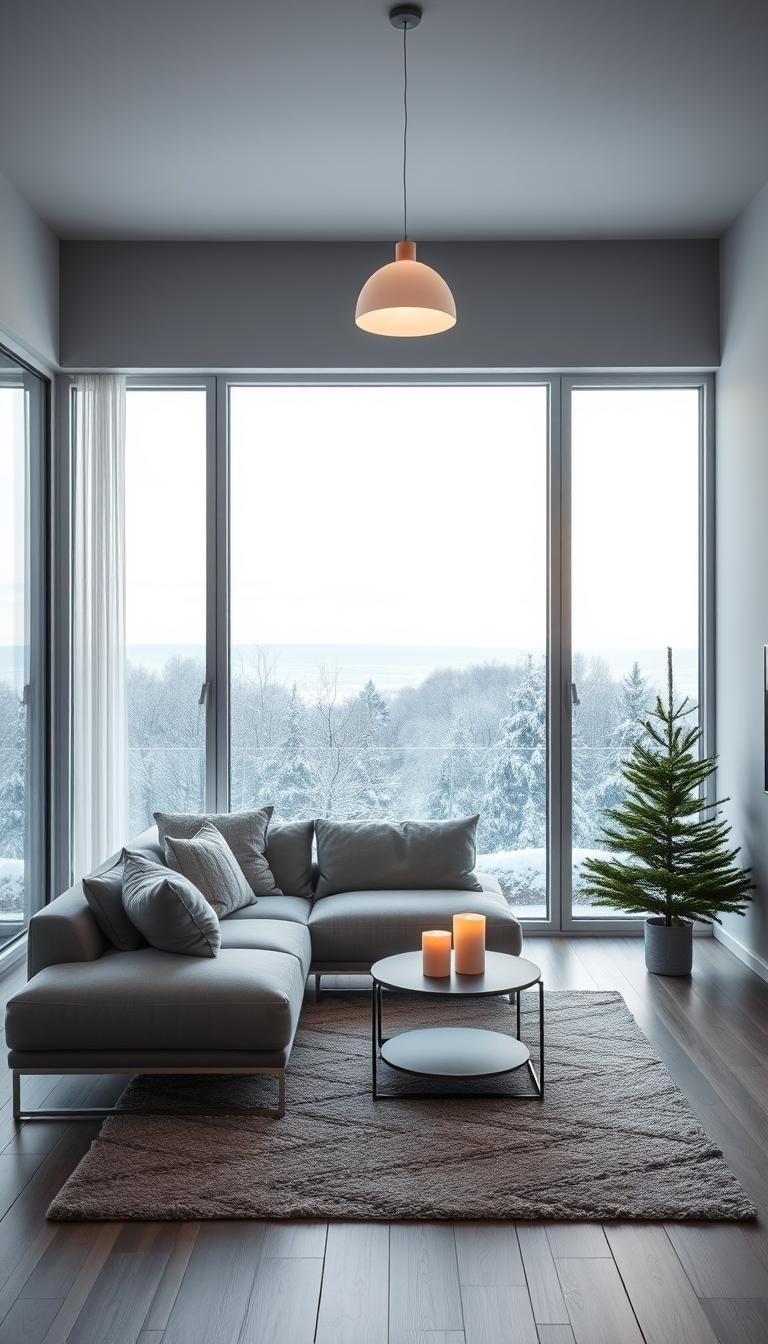
Creating a cozy living room in a small apartment can be tough. But, with the right ideas, you can make a warm and inviting space.
We know how important it is to use your space well. Let's look at some small space living room ideas. These will make your apartment feel bigger and more welcoming.
With the right decor and layout, you can get a cozy apartment decor that shows off your style.
Key Takeaways
- Create a focal point in the room to draw the eye away from the size.
- Use light colors to make the space feel larger.
- Opt for multi-functional furniture to save space.
- Add texture with rugs, throw blankets, and pillows.
- Keep the room clutter-free to maintain a sense of openness.
Understanding the Challenges of Small Living Room Spaces
Turning a small living room into a cozy spot is a big challenge for many. Apartments often have tiny living rooms that need careful planning and creativity to design well.
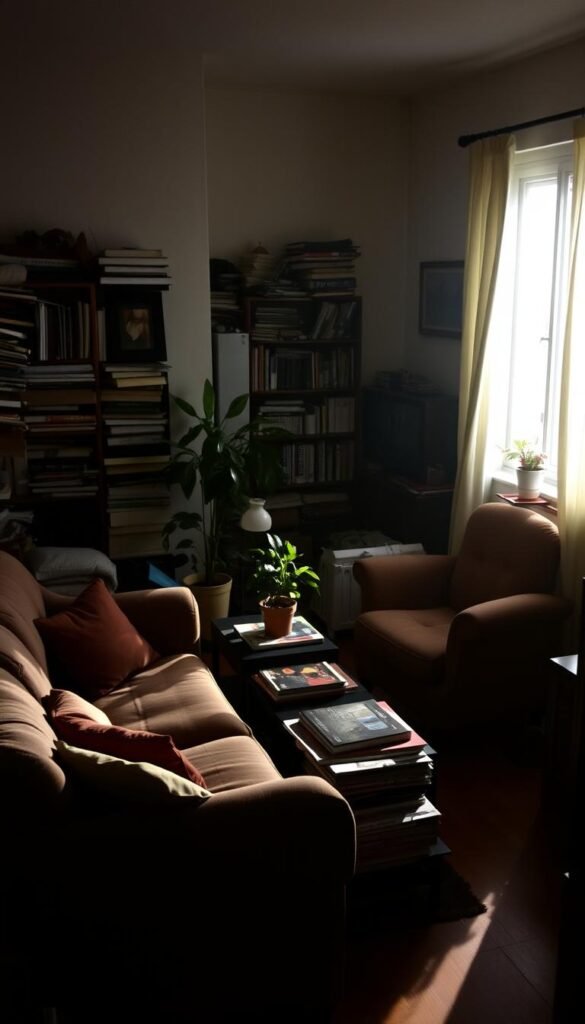
Common Space Limitations in Apartments
Apartments often have small spaces that make designing a living room hard. You might face limited floor space, unfavorable room dimensions, and restricted natural light. Knowing these limits is key to making a cozy and functional living area.
To tackle these issues, a thoughtful design approach is needed. Choose the right furniture, use smart storage, and create the illusion of more space with visual tricks.
The Psychology of Cozy vs. Cluttered
The difference between a cozy and cluttered living room is subtle. A cozy room feels inviting and warm, while a cluttered one feels overwhelming and chaotic. The secret to coziness without clutter is balance.
To find this balance, think about your furniture's size and the visual weight of decorations. Mixing textures and colors can also make a room cozy without being cluttered.
Setting Design Goals for Your Space
Before starting your design, set clear goals for your living room. Think about what you want from your space. Do you need it for daily activities or as a relaxing area? Knowing your priorities will help you make better design choices.
When setting your goals, consider the room's use, your style, and any specific challenges. A clear vision will guide your decisions and lead to a successful design.
Choose Space-Saving Furniture That Maximizes Functionality
Furnishing a small living room requires smart choices. We need furniture that fits well and adds value. It should make the space more useful.
Multi-functional Pieces That Transform
Discovering space-saving solutions is key. Multi-functional furniture adapts to various needs. It's ideal for small living rooms.
Sofa Beds and Sleeper Options
Sofa beds are a top choice for small spaces. They offer both a comfy seat and a cozy bed. Here are some popular types:
- Pull-out sofa beds with comfy mattresses
- Sleeper chaise lounges for a stylish look
- Storage in the sofa for extra convenience
Nesting Tables and Expandable Surfaces
Nesting tables save space. They can be tucked away when not in use. This provides extra space when needed.
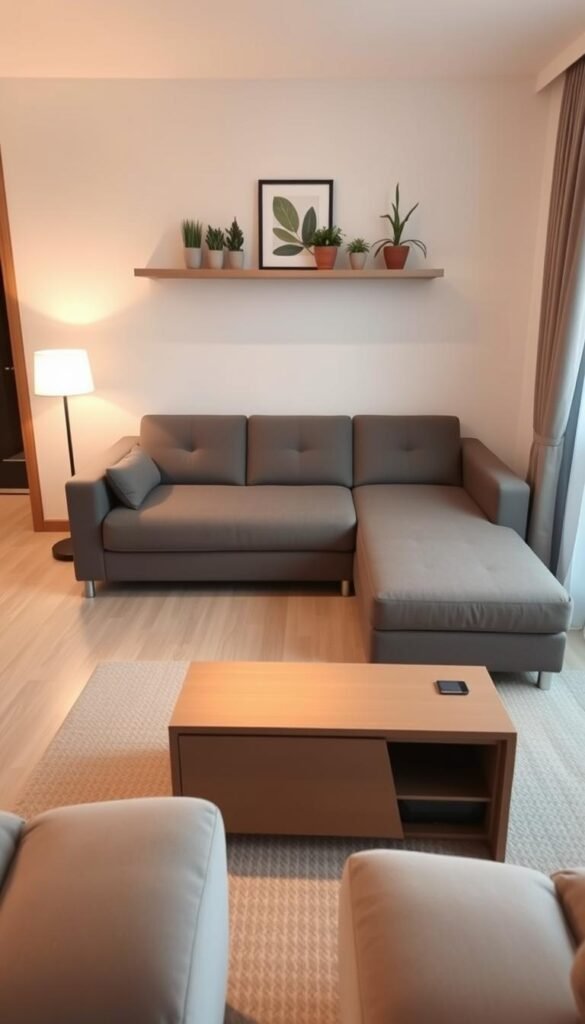
Apartment-Scale Seating Solutions
Apartment-scale seating fits small spaces well. Look for:
- Compact sofas with simple designs
- Armrests that also store things
- Ottomans that serve as extra seats or footrests
Creative Storage Furniture Ideas
Storage is vital in small living rooms. Creative solutions keep things tidy. Consider:
- Storage ottomans for blankets, books, or more
- Coffee tables with hidden storage
- TV stands with built-in storage for gadgets
Using these space-saving ideas, you can make a cozy and functional living room. It will meet all your needs.
Creating an Apartment Aesthetic Cozy Living Room
To make your apartment's living room cozy, focus on a layered look. This combines comfort and style. It creates a warm, inviting atmosphere.
Texture Layering for Warmth and Dimension
Texture layering is key to a cozy living room. Mixing different textures adds depth and interest. Try combining smooth surfaces like glass or metal with rougher ones like wood or woven fibers.
For example, layer a plush area rug over hardwood. Add a velvet sofa and woven baskets or a jute ottoman. This mix creates a rich, inviting space.
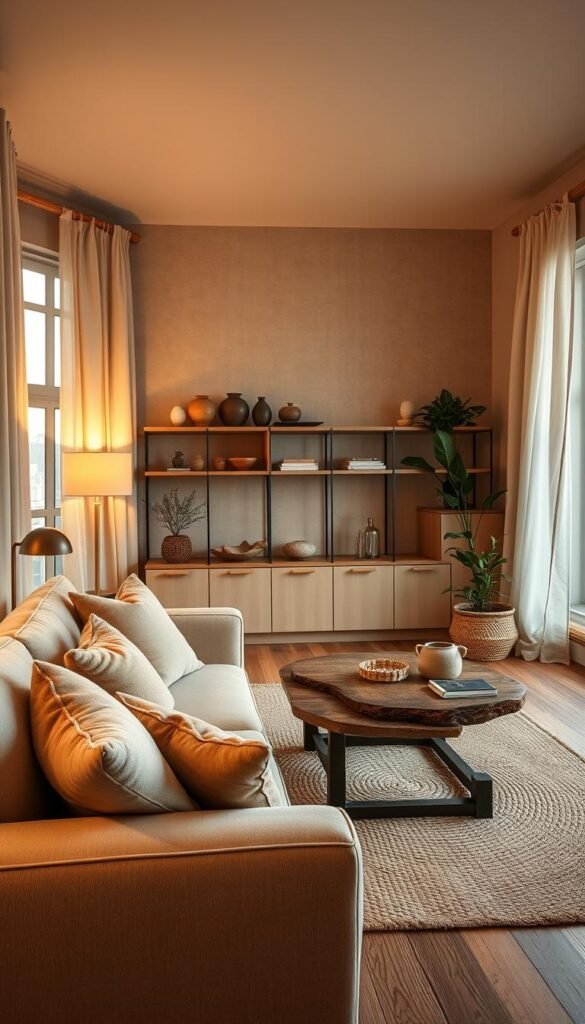
Soft Textiles That Enhance Comfort
Soft textiles are vital for coziness. Throws, pillows, and blankets in materials like cotton, wool, or fleece add warmth. They make your space comfortable.
- Choose materials that are soft and look good.
- Layer different textures and patterns for depth.
- Mix and match materials and colors without fear.
Personal Touches That Tell Your Story
Personal touches make a house a home. Meaningful decor and personal items add character. They make your living room truly yours.
Meaningful Decor Selection
Choose decor that holds personal significance or tells a story. This could be artwork by a local artist, a vintage find, or a family heirloom.
| Decor Type | Personal Significance | Style Impact |
|---|---|---|
| Artwork | Created by a local artist or family member | Adds a unique touch and conversation starter |
| Vintage Finds | Reflects personal taste or historical significance | Brings character and a sense of history |
| Family Heirlooms | Passed down through generations or holds sentimental value | Adds emotional depth and personal history |
Curating Without Cluttering
To curate personal touches without clutter, find a balance. Choose a few meaningful items to display. Rotate them to keep your space feeling fresh.
By using these elements, you can create a cozy living room. It will reflect your style and provide a warm atmosphere for relaxation and socializing.
Implement Color Strategies That Make Spaces Feel Larger
The right color palette can make a small living room feel bigger. It can also make it more comfortable and airy. Let's look at how to use color strategies to make spaces feel larger.
Light and Neutral Base Palettes
Starting with a light and neutral base is key. Colors like whites, creams, and soft grays make spaces feel open and bright. These colors also reflect light, making the room feel more spacious.
- Soft whites and creams
- Gentle grays and beiges
- Pale pastels for a touch of color
Strategic Color Accents That Pop
While a neutral base is important, adding color accents can add interest. Choose bold, contrasting colors for statement pieces or accessories. This draws the eye and adds depth.
- Select one or two accent colors that complement your base palette.
- Use these colors sparingly in items like throw pillows, vases, or artwork.
- Balance bold accents with neutral elements to avoid overwhelming the space.
Cohesive Color Flow Between Spaces
Having a cohesive color flow between spaces makes the area feel larger. This is achieved by using a consistent color palette throughout.
To do this, consider the following techniques:
Color Zoning Techniques
- Divide your open-concept space into zones using subtle color variations.
- Use area rugs, curtains, or furniture to define different areas.
Ceiling and Trim Considerations
Remember, ceiling and trim colors also impact your living room's feel. A lighter ceiling can make the room feel taller. Trim colors can either blend with or contrast against the walls, creating different effects.
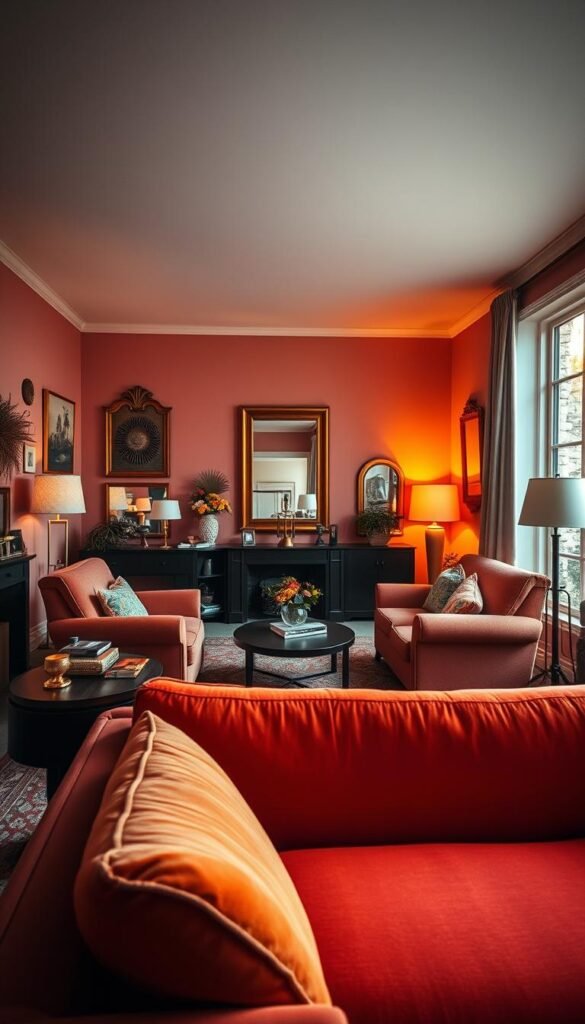
By using these color strategies, you can make your living room feel more spacious and inviting, even in small apartments.
Optimize Your Layout for Maximum Space Efficiency
Maximizing space in small living rooms needs careful planning. A good layout makes the room feel bigger and more useful.
Furniture Arrangement Principles for Small Rooms
Choosing the right furniture arrangement is key in small living rooms. To make the room feel bigger, follow these tips:
- Put the biggest piece of furniture, like a sofa, against a wall to open up the space.
- Choose furniture that does more than one thing, like a storage ottoman.
- Don't block windows or doorways with furniture to keep the room flowing.
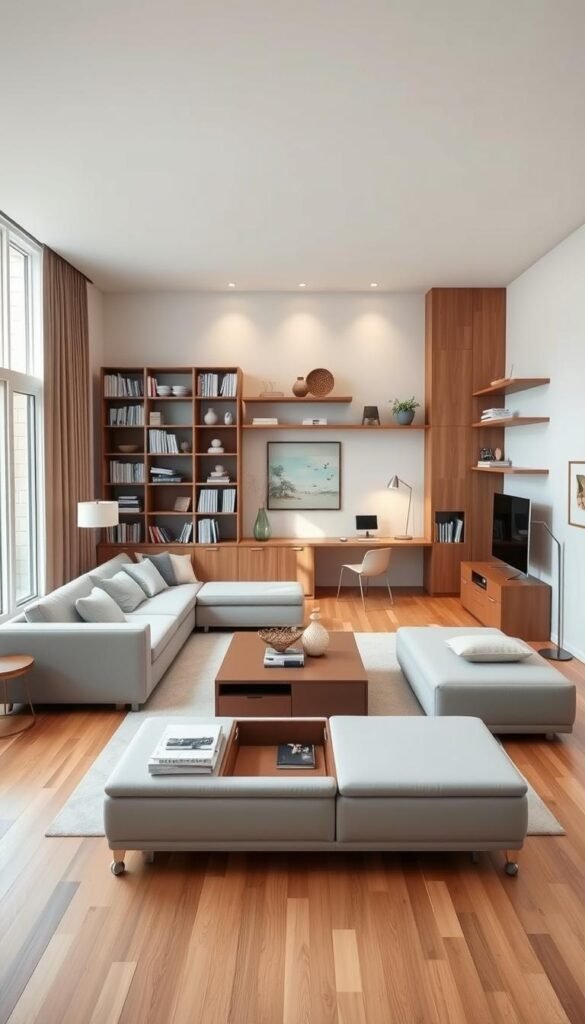
Creating Clear Traffic Patterns
Clear paths are vital for a useful living room. To make sure of this:
- Find the main ways through the room.
- Keep these paths clear of clutter and furniture.
- Try a floating furniture setup to improve flow.
Defining Zones in Open Concept Apartments
In open concept apartments, making different zones helps. Here's how to do it:
Visual Dividers That Don't Block Light
Use visual dividers like room dividers, curtains, or shelves to separate areas. These add texture and interest without blocking light.
Dual-Purpose Areas That Flex
Make areas that can change use. For example, a dining area can also be a workspace or reading nook. This flexibility is essential for small living rooms.
By using these strategies, you can make a living room that's spacious, functional, and welcoming. The secret to a great layout is finding the right balance and being flexible.
Use Wall Space Strategically to Expand Visual Space
Using wall space wisely can greatly improve a small living room. It creates the illusion of a bigger space. This is done by planning wall use carefully, keeping it both functional and spacious.
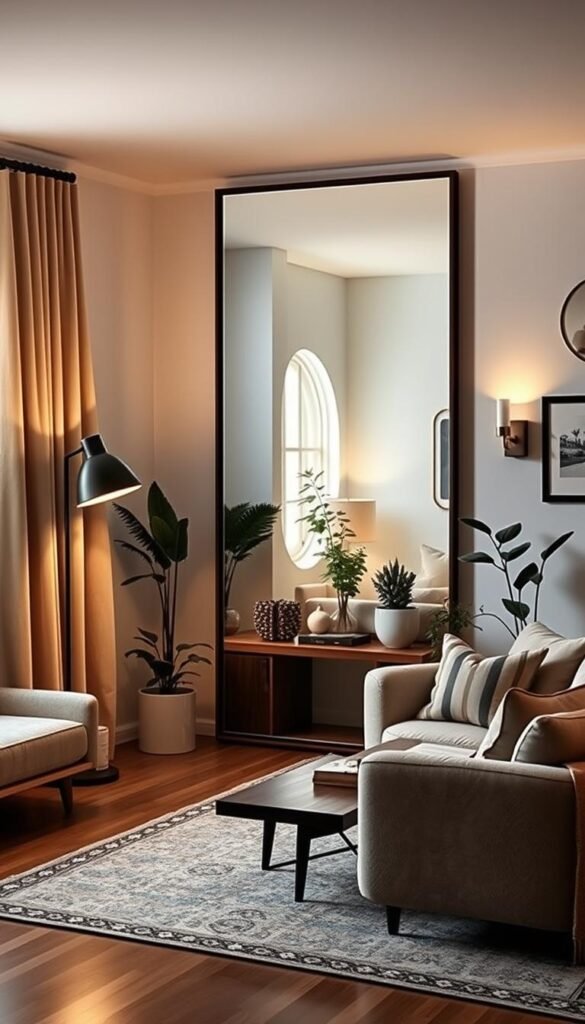
Mirror Placement to Double Visual Space
Mirrors are key in making small spaces look bigger. A mirror opposite a window reflects natural light, making the room seem larger. A big mirror above a sofa or fireplace adds depth.
Vertical Storage and Display Solutions
Vertical storage keeps things organized and makes the room feel taller. Think about floor-to-ceiling shelves or tall, narrow bookcases. They save floor space without making the room look cluttered.
- Install floating shelves for a minimalist look
- Use stackable containers for storing items
- Opt for tall, narrow furniture pieces
Wall-Mounted Lighting to Free Up Surfaces
Wall lights save space on tables and consoles. They also add depth to your lighting. Try sconces, picture lights, or LED strips under shelves.
Sconce Placement Tips
Place sconces at eye level or slightly above. This creates a warm, inviting glow. It's important to match the height and scale of the furniture.
Hidden Cord Management
Keeping cords tidy is key to a clean look. Use cord concealers or cable management systems. They hide wires behind walls or under rugs.
By using these strategies, you can make your living room feel bigger and more welcoming.
Transform Your Space with Budget-Friendly Cozy Touches
With a little creativity, you can turn your living room into a cozy haven without spending a lot. Making your space warm and inviting doesn't have to be expensive. Let's look at some affordable ways to make your small living room cozy and stylish.
DIY Projects That Add Character
DIY projects are a great way to add a personal touch to your living room without breaking the bank. Consider making:
- Your own throw pillows using affordable fabrics
- A gallery wall with family photos or artwork
- Upcycled furniture with a fresh coat of paint
These projects save money and add a unique character to your space.
Thrifting and Upcycling for Unique Pieces
Thrifting and upcycling are excellent ways to find unique pieces for your living room. You can find:
- Affordable vintage furniture that can be refinished
- Unique decorative items like vintage vases or lamps
- Materials for DIY projects, such as old fabric or wooden crates
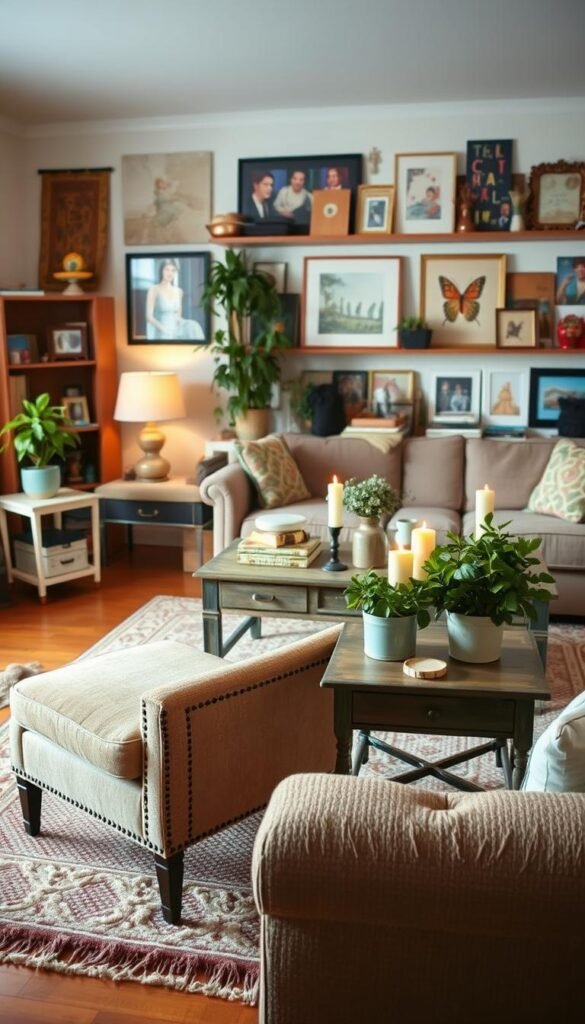
Affordable Textiles That Make Big Impact
Textiles are key to making a living room feel cozy. Let's explore some affordable options:
Pillow and Throw Styling
Pillows and throws are simple ways to add color, texture, and warmth. Consider:
- Mixing different patterns and textures for a layered look
- Using throws to add a pop of color
- Choosing pillows with affordable, removable covers
Area Rug Selection for Small Spaces
An area rug can define your living space and add warmth. For small spaces, consider:
- A rug with a light color to make the room feel larger
- A compact rug size that fits your seating area
- A rug with a simple pattern to avoid visual clutter
| Textile | Benefits | Tips |
|---|---|---|
| Pillows | Add color, texture, and comfort | Mix patterns and textures |
| Throws | Provide warmth and style | Use to add a pop of color |
| Area Rugs | Define the space and add warmth | Choose light colors for small spaces |
By using these budget-friendly touches, you can create a cozy and inviting living room that feels like home.
Integrate Technology Seamlessly Into Your Small Living Room
Bringing technology into our homes is becoming more common. But, we need to do it without making our small living rooms cluttered. The right tech can make our lives better, but we must add it carefully to keep our space cozy.
Hidden Tech Solutions and Cable Management
Managing cables and wires is a big challenge in small living rooms. To avoid clutter, use cable management systems. These include cord organizers, cable ties, and wire concealers that keep everything neat.
Experts say a clutter-free space is not just about looks. It also makes our living area more relaxing.
To hide tech, use furniture with built-in cable management. For example, coffee tables with cord storage or TV stands with cable ties. This keeps cables organized and makes your room look sleek.
Smart Home Features That Save Space
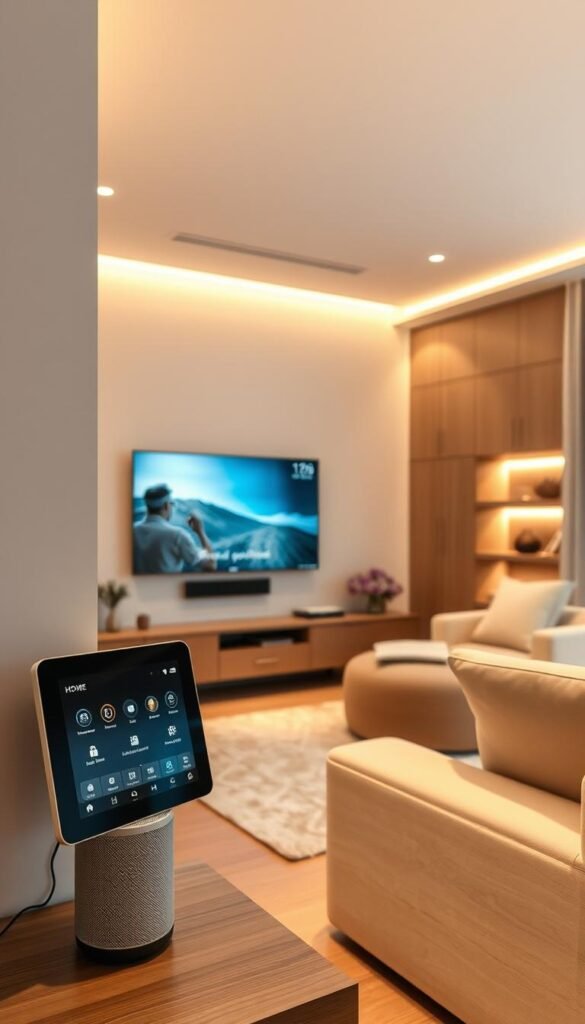
Smart home technology is changing how we live, and it's great for small living rooms. Devices like smart speakers, smart lighting, and smart thermostats can be controlled from afar. This saves space because you don't need many remotes and devices.
- Smart lighting systems adjust to create the perfect mood, making your room cozier.
- Smart thermostats learn your temperature preferences and adjust it for you, keeping your room comfortable.
Multi-purpose Media Solutions
In a small living room, multi-purpose media solutions are essential. They save space and make your room more functional.
Wall-Mounted Entertainment Options
Wall-mounted TVs and soundbars are great for saving space. They keep your entertainment area tidy and can be adjusted for the best view. Plus, they add a sleek, modern look that can make your room feel bigger.
Streaming Setups That Minimize Hardware
Streaming devices like Chromecast, Apple TV, or Roku let you access lots of content without bulky hardware. These devices are small, easy to use, and can be controlled with your smartphone. They're perfect for small living rooms.
By using these technologies and strategies, you can make a living room that's both useful and cozy. Even the smallest spaces can become welcoming retreats with a bit of creativity.
Conclusion
We can make a cozy living room feel bigger by using smart design. It's all about finding balance and harmony. With the right look, our small space can be both beautiful and useful.
Let's look at what makes a cozy living room special. We've talked about choosing the right furniture and adding textures. We've also covered how to pick colors and arrange our space wisely.
By using these tips, you can design a cozy living room that's perfect for you. It will be a place where you love to relax. So, let's begin and turn your small living room into a cozy retreat.
FAQ
What are some effective ways to make a small living room feel cozier?
To make a small living room cozy, layer different textures and add soft textiles. Personal touches that tell your story are also key. Table lamps, floor lamps, or string lights can add warmth.
How can I maximize space in my small apartment living room?
Choose furniture that serves more than one purpose, like sofa beds or nesting tables. Optimize the layout by creating clear paths and defining zones. This makes the space feel larger.
What color strategies can make a small living room feel larger?
Start with a light and neutral base palette. Add color accents to create interest. A cohesive color flow between spaces helps too.
How can I use wall space effectively in a small living room?
Use mirrors to make the room seem bigger. Install vertical storage to keep clutter away. Wall-mounted lighting frees up surfaces. Sconces and hidden cord management keep things tidy.
What are some budget-friendly ways to add cozy touches to my small living room?
DIY projects, thrifting, and upcycling are budget-friendly. Styling pillows and throws, and choosing the right area rug can also make a big difference.
How can I integrate technology seamlessly into my small living room?
Consider hidden tech solutions and smart home features. Use cable management and multi-purpose media solutions. Wall-mounted entertainment and streaming setups save space.
What are some common mistakes to avoid when designing a small living room?
Avoid cluttering with too much furniture and using dark colors. Don't forget to create a clear path. Furniture and decor should be in scale with the room.
How can I create a sense of separation between different areas in an open-concept apartment?
Use visual dividers like room dividers or screens. They define zones without blocking light. Dual-purpose items, like storage ottomans or desks, also help separate areas.